











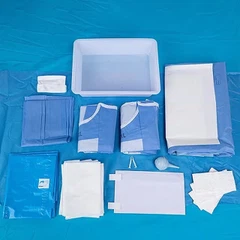
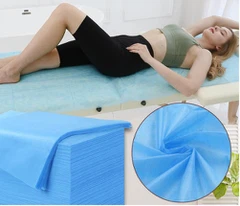


Today, many hospitals use disposable long-sleeved gowns that cover most of a patient's body. Although disposable surgical gowns are not practical for many surgeries, they are a good choice for patients who are concerned about the privacy of their bodies.
Doctors' scrubs are almost always disposable because of the invasive nature of the procedure, which can easily get fluids on the clothes. These disposable protective suits are packaged in plastic and usually come with sterile surgical gloves, a mask, and a head barrier (doctor's cap, etc.). These disposable scrubs can usually be reused and, in rare cases, are not exposed to body fluids, but only if they can be machine washable, which would jeopardize sterile procedures. Like doctors' scrubs, new ones are usually handed out to staff at every shift and are thoroughly disinfected with other soiled hospital sheets.
Depending on the procedure, scrubs can be made of different materials. When there is a risk of exposure to fluids in the body, doctors often forgo cotton surgical gowns in favor of SMS or PP+PE composite gowns. These fabrics are highly fluid resistant and block penetration while allowing comfort and air to permeate the surgeon (important to help them stay focused). For even greater protection, surgical protective clothing not only protects against liquids, but also further protects against pathogens by strengthening the fabric of key parts of the protective clothing. There are also more corrosion-resistant protective suits (" isolation suits ") that are more expensive, but are made of denser, triple-resistant fabrics that stand the test of time while maintaining a high level of protection against liquid biohazards.