











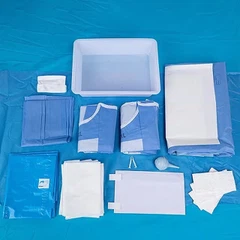


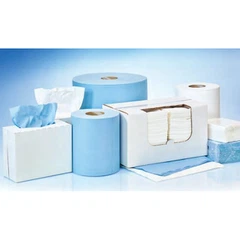

Disposable medical supplies are an important part of disease control technology. The fundamental purpose of manufacturing disposable medical supplies is to control infection. Medical supplies that are used only once do not transmit infectious agents to other patients.
Disposable medical supplies require a careful balance between performance, cost, reliability, materials and shelf life. Disposable medical supplies consist of non-woven materials, synthetic materials, polyesters and plastics. In some disposable equipment, polycarbonates are used due to their strength, flexibility, and impermeability.
Disposable medical products help improve infection prevention and control efforts in health care Settings and reduce the potential for cross-contamination. Disposable medical products can also help expel stored disease-causing life forms during patient care services, in the surgical gowns of hospital staff.

The main function of the barrier of disposable medical products is to inhibit the spread of microorganisms from non-sterile areas to sterile areas. The characteristics of disposable medical products provide excellent barrier performance. For example, it has been documented that villi in the surgical environment increase the occurrence of surgical site infections because it provides a mode of transferring microorganisms. In addition, medical devices that use disposable devices rather than reusable devices can be sterile effortlessly, consistently, and reliably. The best asset of disposable medical supplies is that they are less likely to spread disease than reusable items, which are a known cause of cross-contamination.