











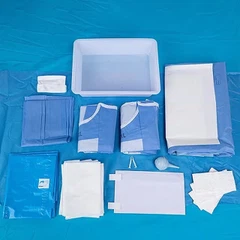


During surgery, if the barrier material becomes wet, the risk of pathogen transmission increases. Therefore, multiple or single-use materials used during surgery must prevent liquid penetration.
Reusable materials typically include a variety of tightly woven textiles and/or knitted cotton or other fabrics that may be combined with polyester and/or chemically treated. After many cycles of processing and treatment, the protection and durability of reusable products are reduced. The barrier protection provided by reusable curtains can also get wet during surgery.

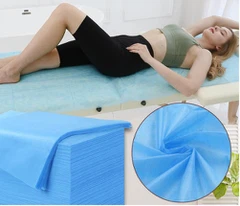
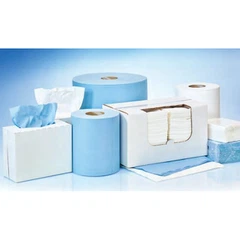
Typically, disposable surgical wipes are non-woven fabrics made of various polymers and may be combined with chemical treatments. Because disposable surgical pads play a vital role in reducing/eliminating surgical site infections (SSI), it is essential to conduct a thorough risk analysis of disposable surgical wipes to determine their suitability for each procedure.
The single-use surgical laysheet design provides impact resistance and prevents liquid splatter/spray on the fabric. They are also fuzz-free and scratch-resistant. Single-use surgical sheets adhere consistently and reliably to the skin or wound edges, especially when forcibly contracted and rinsed, providing a barrier to bacteria on the skin. Barrier efficacy is an important factor in preventing infection, so fluid control features not only reduce potential exposure to infected body fluids, but also keep patients dry, which helps reduce turnaround time between surgeries. Disposable bedding with built-in bags to help collect body fluids and blood, easy to clean and dispose of.