











These fabrics have large pores through which microorganisms easily flow, resulting in poor barrier quality. Tightly woven textiles should be combined with polyester and long-staple cotton and treated with anti-liquid fluorocarbons to improve barrier quality. They are durable, but must be treated with an anti-rejection finishing agent after each wash to improve the barrier effect, as they lose their effectiveness over time.
The most common is nylon. Unlike cotton/polyester and other similar materials, it is made from very small filaments. They are treated with a hydrophobic agent during reprocessing.
Here, multiple layers need to be used in order to achieve a specific goal. The outer layer protects against wear and penetration, while the middle layer resists fluid penetration and the innermost layer provides comfort to the user.
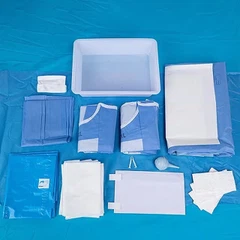
Nonwoven technology is used to produce disposable surgical gowns, which are usually white. Disposable surgical gowns and surgical wipes account for about 90 percent of the U.S. market. Manufacturers sterilize the product in this way and offer it to customers, making it more pleasant for customers and also improving the barrier quality. However, since it is only used once, it increases environmental risks and the cost of the item.
