












It is a simple question-but the answer reveals why something as unassuming as a thin plastic cover for your shoes plays a critical role in hospitals, labs, food plants, and cleanrooms worldwide.
At first glance, disposable overshoes look like little more than crinkly bags for your feet. But behind that modest appearance lies a carefully engineered solution to a serious problem: preventing contamination from being tracked in on footwear.
Let is break down how they actually work-not just in theory, but in real-world settings where hygiene, safety, and compliance hang in the balance.
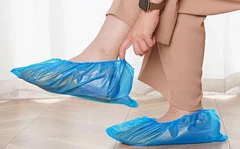
Disposable overshoes work by encasing your regular shoes in a single-use, protective layer that:
- Blocks dirt, dust, hair, and skin cells from shedding onto clean floors
- Prevents liquids (blood, chemicals, cleaning agents) from soaking into shoe fabric
- Stops pathogens or particulates from being carried between zones
Think of them as "gloves for your shoes"-except instead of protecting your hands, they protect the environment from your footwear.
Material Choice Dictates Performance
Not all disposable overshoes work the same way. Their effectiveness depends heavily on the material:
- Polyethylene (PE): Lightweight and cheap, but tears easily. Works for short visits to low-risk areas (e.g., hospital lobbies).
- Polypropylene (PP) non-woven: More breathable and slightly stronger-common in general patient care.
- CPE (Chlorinated Polyethylene): Flexible, durable, and resistant to oils and mild chemicals. Used in operating rooms, labs, and food processing.
- SMS fabric: Offers high fluid barrier protection-often paired with gowns in infectious disease protocols.
In other words, a PE overshoe "works" for a visitor walking through a hallway-but fails completely in a wet lab or surgical suite. The right material ensures the barrier holds up under actual conditions.
Disposable overshoes are not just for hospitals. Here is how they work across industries:
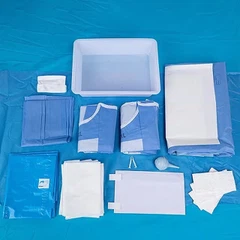
- Healthcare: Stop cross-contamination between patient rooms; required in isolation protocols.
- Pharmaceuticals: Maintain ISO cleanroom classifications by controlling particulate ingress.
- Food Manufacturing: Prevent foreign material (like shoe fibers or soil) from entering products.
- Electronics: Reduce static and particle shedding that could damage microchips.
In each case, the overshoe acts as a mobile seal-ensuring that what is on your shoes stays contained.
Disposable overshoes work because they give you control over an otherwise unpredictable variable: the bottom of people's shoes. Shoes pick up everything-bacteria from restrooms, dust from parking lots, metal shavings from workshops. Without a barrier, that contamination walks straight into your cleanest spaces.
When chosen correctly and used consistently, disposable overshoes aren't just accessories-they are essential components of a contamination control strategy.
At CARESTAR, we have seen firsthand how the right overshoe improves safety, compliance, and operational efficiency.