






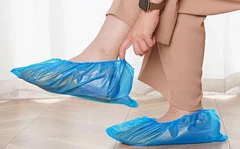




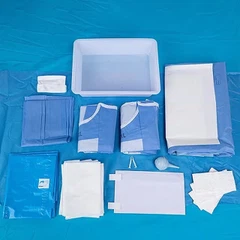
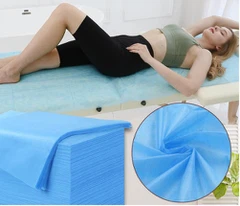

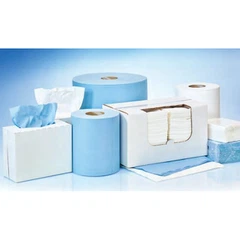

If you've ever walked into a hospital isolation ward, a semiconductor cleanroom, or even a high-end cosmetic surgery clinic, you've probably been handed a pair of thin, crinkly shoe covers before stepping inside. Chances are, those were disposable CPE overshoes-a small but vital piece of protective gear that often goes unnoticed… until it's missing.
At CARESTAR, we've supplied millions of these overshoes to labs, hospitals, and manufacturing facilities across 30+ countries. Over the years, we've learned that while they look simple, their role in contamination control is anything but.
So, what exactly are CPE overshoes? Why choose them over other materials? And when do you really need them? Let's break it down-no jargon, just practical insight.
What Are Disposable CPE Overshoes?
CPE stands for Chlorinated Polyethylene-a synthetic rubber-like polymer known for its flexibility, chemical resistance, and durability. Unlike standard PE (polyethylene) shoe covers that tear easily or PP (polypropylene) versions that offer limited barrier protection, CPE overshoes strike a balance between strength, grip, and fluid resistance.
They're designed as single-use foot coverings worn over regular footwear to:
- Prevent tracking dirt, dust, or microbes into sensitive areas
- Protect clean floors from scuffs, spills, or stains
- Comply with hygiene protocols in regulated environments
Where Are CPE Overshoes Actually Used?
You might be surprised by how widespread their use is:
Hospitals & Clinics: Especially in ICUs, burn units, and operating theaters where floor contamination can lead to HAIs (healthcare-associated infections).
Pharmaceutical Manufacturing: Required under GMP (Good Manufacturing Practice) to maintain ISO Class 5–8 cleanroom standards.
Food Processing Plants: Prevent cross-contamination between raw and cooked zones.
Electronics & Semiconductor Facilities: Control particulate matter that could ruin microchips.
Mortuaries & Forensic Labs: Provide reliable barrier against biohazards.
One infection control officer we spoke with put it bluntly: "If your shoe cover rips during an Ebola drill, you fail the simulation. We switched to CPE-and never looked back."
Key Features That Matter in Real Life
When evaluating disposable CPE overshoes, don't just check the price per unit. Look for:
✅ Reinforced heel and toe areas – High-wear zones that often tear first
✅ Non-slip textured sole – Critical on wet or polished floors
✅ Elasticized ankle band – Stays in place without constant readjustment
✅ Latex-free & hypoallergenic – Safe for sensitive skin
✅ Static-dissipative options – Available for electronics manufacturing
At CARESTAR, our CPE overshoes undergo burst strength testing and coefficient of friction (COF) validation to ensure they perform under pressure-literally.
Sustainability Note: What Happens After Use?
Yes, CPE overshoes are single-use.
While CPE isn't biodegradable, it is recyclable in industrial streams (though not curbside). We're working with partners in Germany and Singapore on pilot take-back programs for medical facilities aiming for zero-waste certifications.