












How Disposable Shoe Covers Protect Controlled Environments?
When evaluating hygiene and contamination risks in professional spaces, attention often focuses on hand hygiene, surface cleaning, or air filtration. However, one frequently underestimated factor is foot traffic-the movement of people across surfaces with ordinary shoes. Shoes can collect and transfer a significant amount of dirt, dust, biological particles, and unseen contaminants from one area to another, potentially compromising controlled and high-cleanliness environments.
This invisible transfer of contaminants can have real consequences in industries that depend on cleanliness, sterility, and process integrity. Disposable shoe covers, particularly those made from durable materials like CPE (chlorinated polyethylene), are a simple yet effective tool to mitigate this risk. They act as a protective barrier between footwear and sensitive environments, helping maintain cleanliness standards and support operational safety.

Why Foot Traffic Is a Hidden Contamination Source?
Footwear picks up a mix of particulate matter-soil, microbes, dust, and residues-just from normal movement outside controlled areas. In spaces such as cleanrooms, medical facilities, and food processing zones, even microscopic particles can affect both product quality and safety standards.
In environments like laboratories or cleanrooms, contamination standards are tightly regulated, and the introduction of particles at floor level can jeopardize controlled processes. Foot movement can carry contaminants across controlled zones, potentially causing product defects, process failures, or regulatory compliance issues.
How Disposable Shoe Covers Create an Effective Barrier
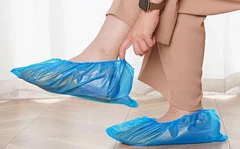
One of the most practical ways to address contamination from foot traffic is through the use of disposable shoe covers. These covers are designed to slip easily over regular footwear and contain contaminants that would otherwise be tracked inside. Their protective role includes:
Blocking particulate transfer: By covering shoes, they prevent dust, debris, and microscopic particles from entering clean areas.
Reducing cross-contamination: In facilities where workers move between zones with different cleanliness requirements, such as packaging areas and sterile processing rooms, shoe covers help limit the spread of contaminants.
Supporting hygiene protocols: Proper footwear protection aligns with hygiene standards set by food safety and medical regulators, contributing to overall compliance.
These benefits are not limited to one industry-far from it. Footwear can carry any number of contaminants, so controlling what touches the floor is a foundational part of broader contamination control strategies.
Applications Across Multiple Industries
Disposable shoe covers are widely used in sectors where foot-borne contamination poses risks to people, products, or processes. Typical application areas include:
Medical and Healthcare Settings
Hospitals, clinics, and diagnostic labs require consistent control of contaminants that could compromise patient safety. Shoe covers act as a final line of defense against particulate transfer from corridors or outdoor areas.
Cleanrooms and Research Facilities
In pharmaceutical, biotech, and electronics manufacturing, air quality and surface cleanliness are critical. Shoe covers help preserve controlled environments by minimizing the introduction of external particles.
Food Manufacturing and Processing
Strict hygiene controls prevent contaminants from affecting food quality and safety. Disposable covers provide a quick and visible way to limit foreign material from entering production zones.
Construction and Maintenance in Sensitive Areas
Even during renovation or maintenance work in sensitive sites such as hospitals or laboratories, protective shoe covers protect floors and controlled zones from dirt and debris typical of construction work.

Foot traffic may seem mundane, but its cumulative impact on contamination levels can be substantial in controlled environments. By incorporating disposable shoe covers into hygiene protocols, organizations can limit the transfer of unwanted particles at floor level, support regulatory compliance, and protect both product quality and workplace safety.
Whether in medical settings, cleanrooms, food production environments, or maintenance zones, proactive foot traffic management with shoe covers is a simple yet meaningful step toward cleaner, safer operations.