









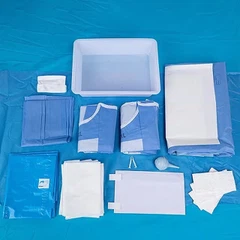

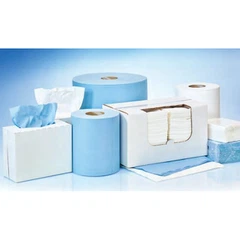

Surgical wipes are further divided according to their functional characteristics. Surgical wipes have a high moisture evaporation rate, are very comfortable on the body, and have a super adherence to the edge of the wound. General surgical sheets can be adapted to different common procedures and can meet potential problems such as liquid flushing or large amounts of blood. The orthopedic sheet maintains a sterile area throughout the procedure and can withstand heavy handling during surgery.
There are some standard practices for using surgical sheets. Because the single cloth forms a barrier between the surgical area and the potentially infected area, only sterile single cloth can be used in sterile areas. This prevents leakage from the non-sterile area to the sterile area. The towel should be free of holes, perforations and tears, as any disruption to the integrity of the microbial barrier will result in contamination.
To prevent the transfer of pathogens, it is important to make the towel impermeable and liquid resistant to minimize penetration contamination, thereby reducing the risk of surgical site infection (SSI's). They should also be non-woven to avoid air pollution and reduce the likelihood of SSI.
Surgical sheets should not be made of materials that can be ignited in the operating room by laser or optical fiber. Since most wipes are not fully resistant to the effects of the laser beam in a high-oxygen environment, the surgical team needs to take precautions, such as covering the surgical site with a wet towel.