












Disposable shoe covers are a small part of workplace safety equipment, yet they play a surprisingly important role in maintaining hygiene standards. In many industries - from hospitals to food processing plants - workers are required to protect floors from contamination and, at the same time, prevent dirt or moisture from spreading between different work zones.
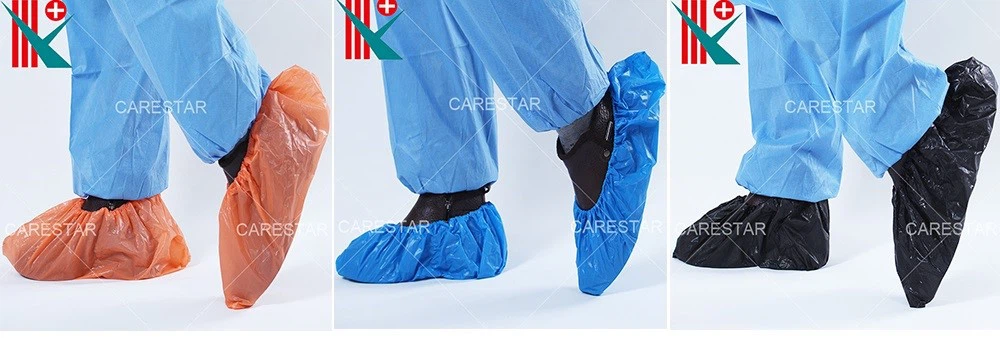
Among the various materials used for disposable overshoes, CPE shoe covers have gradually become a common choice. Many purchasing managers and facility operators prefer them over traditional plastic or lightweight nonwoven alternatives. The reason is not just about cost, but about how the material behaves in real working environments.
Understanding why CPE shoe covers are widely used requires looking at how they perform during daily operations.
In facilities where sanitation procedures involve frequent cleaning, the floor is rarely completely dry. Hospitals regularly disinfect corridors and treatment rooms. Food processing plants wash production areas several times a day. Even laboratories and pharmaceutical environments may involve chemical cleaning agents.
Under these conditions, ordinary disposable covers made from thin film materials may tear quickly or allow moisture to pass through.
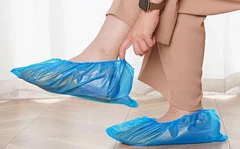
CPE, short for chlorinated polyethylene, behaves differently. The material forms a dense, flexible film that resists water penetration more effectively than many standard polyethylene products. When workers step on wet floors or move through recently cleaned areas, the material maintains a consistent barrier between footwear and the environment.
Durability Matters More Than It Appears
At first glance, disposable shoe covers seem like a product that only needs to last a short time. In practice, however, durability can make a significant difference.
Consider a busy hospital during a typical shift. Staff members may walk long distances between wards, laboratories, and storage areas. In a food processing plant, employees might move repeatedly between production lines and packaging sections.
If a shoe cover tears after only a few minutes of use, workers must replace it frequently. This interrupts workflow and increases overall consumption.
CPE shoe covers are typically produced in thickness ranges around 35–45 microns, which gives them a balance between flexibility and tear resistance. The material stretches slightly when walking, reducing the chance of sudden splitting along the seam.
For high-traffic environments, this small improvement in durability can noticeably reduce replacement frequency.
Textured Surfaces Improve Stability
Another detail that is often overlooked outside the manufacturing industry is the surface texture of disposable shoe covers.
Many CPE covers include a light embossed pattern created during the film forming process. The purpose of this pattern is not decorative. Instead, it increases friction between the shoe cover and the floor.
Wet tiles, stainless steel surfaces, or polished concrete floors can become slippery during cleaning procedures. A textured surface helps workers maintain better traction while walking through these areas.
While the improvement may appear minor, facilities focused on workplace safety often prefer products that provide even small advantages in stability.
Simple Design, Practical Function
Ease of use is another factor that influences purchasing decisions. In workplaces where hundreds of employees may use disposable shoe covers each day, the product needs to be quick to put on and remove.
Most CPE shoe covers rely on a basic elastic opening that stretches over different types of footwear. The elastic seam is usually heat-sealed to the film, which helps distribute tension evenly around the opening.
A well-manufactured shoe cover should stay in place without feeling too tight. If the elastic band is weak, the cover may slip off during movement. If it is too strong, it may tear the film when stretched over heavier work shoes.
Experienced manufacturers pay close attention to this balance because it directly affects how the product performs in real use.
Increasing Demand for Reliable Disposable Protection
Over the past decade, demand for disposable protective products has grown steadily across several industries. Healthcare facilities are under pressure to maintain strict hygiene standards, while food safety regulations continue to evolve in many countries.
As a result, companies responsible for facility management are paying closer attention to the quality of everyday protective items, including shoe covers.
Manufacturers such as CARESTAR, which specialize in disposable medical and industrial protective products, have expanded production of CPE shoe covers to meet this demand. With long-term experience in nonwoven and plastic protective materials, companies in this sector continue refining product designs to improve durability, consistency, and user comfort.
Although disposable shoe covers are simple products, they contribute to larger hygiene management systems within controlled environments.
By preventing moisture transfer, reducing floor contamination, and helping maintain separation between different work areas, CPE shoe covers support the daily routines that keep workplaces clean and safe.
For hospitals, laboratories, food factories, and many other facilities, this small protective item remains a practical and cost-effective solution.