













The clothing has different resistance to blood and other body fluids, depending on the type of material, its impermeability, and wear and tear. Studies have been mixed on whether routine use of isolation suits reduces infection rates. Some studies have shown no benefit. During patient care activities, PPE may be contaminated by contact with microorganisms, droplets from the patient's body fluids, or aerosols. They have the potential to spread microbes from one place to another. In one study, MRSA or VRE detected on the overalls and/or gloves of healthcare workers participating in routine clinical care was as low as 4% and as high as 67%, respectively. Many studies have found that nurses' uniforms are often contaminated and that germs are transmitted through their uniforms. In isolation wards, Staphylococcus aureus was found in 12.6 percent of cotton clothing, 9.2 percent of plastic aprons, and 15 percent of uniforms. There was a 63 percent chance that medical workers' coats and uniforms were contaminated with pathogenic bacteria, and 50 percent of all samples were positive for pathogenic bacteria. Depending on the material used in PPE and the relative humidity of the air, the persistence of the virus may vary from a few weeks to several months.

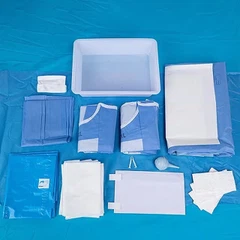
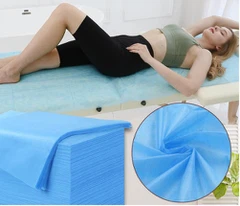
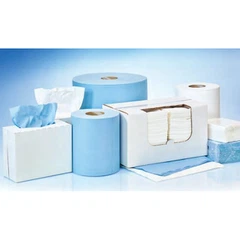
In the United States, about 80 percent of hospitals use disposable gowns and surgical wipes. They are usually made of nonwoven synthetic materials to enhance protection against liquid penetration, such as plastic films (polypropylene, polyester, polyethylene). Reusable gowns are more popular in Europe. They are typically made of 100% cotton, 100% polyester, or polyester/cotton blends and chemically finished to enhance protection against liquids. They must be cleaned after each use and are typically used for 50 or more wash/dry cycles.