












Why Protective Shoe Covers Are More Than Just Footwear Covers ?
When you hear "protective shoe covers," your first thought might be of blue plastic sleeves used briefly in a hospital hallway. But in reality, these unassuming pieces of personal protective equipment (PPE) play a far more critical role across dozens of industries-from semiconductor fabs to disaster restoration-and choosing the right type can mean the difference between compliance and contamination, safety and slip-and-fall incidents, or even project success and costly rework.
This article breaks down why protective shoe covers matter, how they've evolved beyond basic plastic, and what professionals in key sectors need to know when specifying or purchasing them.

Understanding the Function of a Protective Shoe Cover
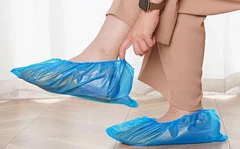
A protective shoe cover is worn over existing footwear to isolate it from the surrounding environment. Its primary function is not to protect the wearer's shoe, but to protect the workspace itself. By containing contaminants at the footwear level, protective shoe covers reduce the spread of particles, liquids, and external debris.
In facilities with frequent movement of staff or visitors, shoe covers offer a simple method of maintaining hygiene without disrupting daily operations. They are particularly useful where shoe changing is impractical or time-consuming.
Where Shoe Covers Make the Biggest Difference ?
1. Healthcare: Stopping Pathogens at the Door
In operating rooms, isolation units, or dialysis centers, shoe covers aren't optional-they're part of infection control protocols. Studies have shown that footwear can carry multidrug-resistant organisms (MDROs) like MRSA across hospital floors. High-barrier SMS covers rated to ASTM F1671 block viral penetration, making them essential during outbreaks or surgical procedures.
Real-world impact: A 2023 hospital audit in the Midwest found a 88% reduction in surface contamination in ICUs after enforcing consistent shoe cover use with proper donning/doffing training.
2. Cleanrooms & Electronics: Invisible Threats, Visible Consequences
In ISO Class 5–8 cleanrooms, a single particle from a shoe sole can ruin a semiconductor wafer or contaminate a vaccine batch.
3. Food Processing: Blue for a Reason
Ever notice most food industry shoe covers are blue? It's not a design trend. Blue is rarely found in food products, making it easy to spot and remove foreign material if a cover tears and fragments enter the production line-critical for HACCP and FDA compliance.
4. Restoration & Construction: Protecting Finished Spaces
Post-renovation, one muddy footprint can cost thousands in rework. Heavy-duty PE or CPE shoe covers with reinforced soles help contractors, inspectors, and clients walk through finished hardwood, tile, or carpet without damage-preserving both surfaces and client trust.
Selecting the Right Protective Shoe Cover:
Choosing the appropriate shoe cover depends on several factors, including the working environment, duration of use, and exposure risks. Breathable nonwoven options are ideal for long wear in dry conditions, while waterproof materials are better suited for wet or high-risk areas.
Understanding these differences helps organizations maintain effective hygiene control without unnecessary cost or discomfort.
The protective shoe cover may appear simple, but its role in contamination control and workplace safety is significant. By addressing one of the most common sources of environmental transfer, shoe covers contribute to cleaner, safer, and more compliant working conditions across a wide range of industries. As hygiene standards continue to rise, protective shoe covers remain a practical and reliable solution for everyday protection.