












In many professional environments, protection does not start with complex systems or advanced equipment. It often begins with something much simpler: what workers wear. Among disposable protective garments, the protective coverall with hood has become a widely adopted solution across industries that require both personal safety and contamination control.
From healthcare and laboratories to manufacturing and food processing, hooded protective coveralls provide an effective balance between coverage, comfort, and practicality.

What Is a Protective Coverall with Hood?
A protective coverall with hood is a one-piece disposable garment designed to cover the body from head to ankle. The integrated hood protects the head and neck area, reducing exposure to airborne particles, dust, and light liquid splashes.
Unlike two-piece protective clothing, a coverall creates a continuous barrier that minimizes gaps between garments. This design helps lower the risk of contaminants reaching personal clothing or skin during routine tasks.
Why the Hood Matters
In many work settings, contamination does not only come from direct contact. Airborne particles, fine dust, and droplets can settle on hair, collars, or exposed skin. A hooded design offers additional protection by covering areas that are often overlooked.
This is especially important in environments such as:
- Medical and healthcare facilities
- Pharmaceutical and laboratory settings
- Food processing and packaging areas
- Industrial maintenance and cleaning operations
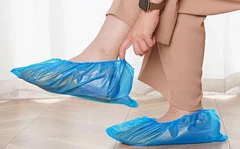
A protective coverall with hood helps create a more controlled protective zone, particularly when combined with gloves, masks, and shoe covers.
Key Features That Define a Reliable Protective Coverall
Not all disposable coveralls perform the same in real working conditions. When selecting a protective coverall with hood, professionals typically focus on several practical features:
Material Performance
Most disposable coveralls are made from non-woven fabrics such as polypropylene or laminated materials. A good coverall should provide reliable resistance to dry particles and light liquid splashes while remaining breathable enough for extended wear.
Comfort and Mobility
Protective clothing should not restrict movement. Elastic cuffs, flexible seams, and a properly designed hood allow workers to move comfortably without constantly adjusting the garment.
Secure Fit
A well-fitted hood, elastic waist, and ankle cuffs help keep the coverall in place during movement, reducing exposure risks caused by shifting garments.
Applications Across Multiple Industries
The versatility of protective coveralls with hood makes them suitable for a wide range of industries:
- Healthcare and medical use for infection control and hygiene protection
- Laboratories and clean environments to reduce particulate contamination
- Food industry operations to maintain clean production zones
- Industrial and maintenance work involving dust, debris, or surface contamination
Because these coveralls are disposable, they also simplify hygiene management by eliminating laundering and reuse concerns.
Why CARESTAR Protective Coveralls Stand Out?
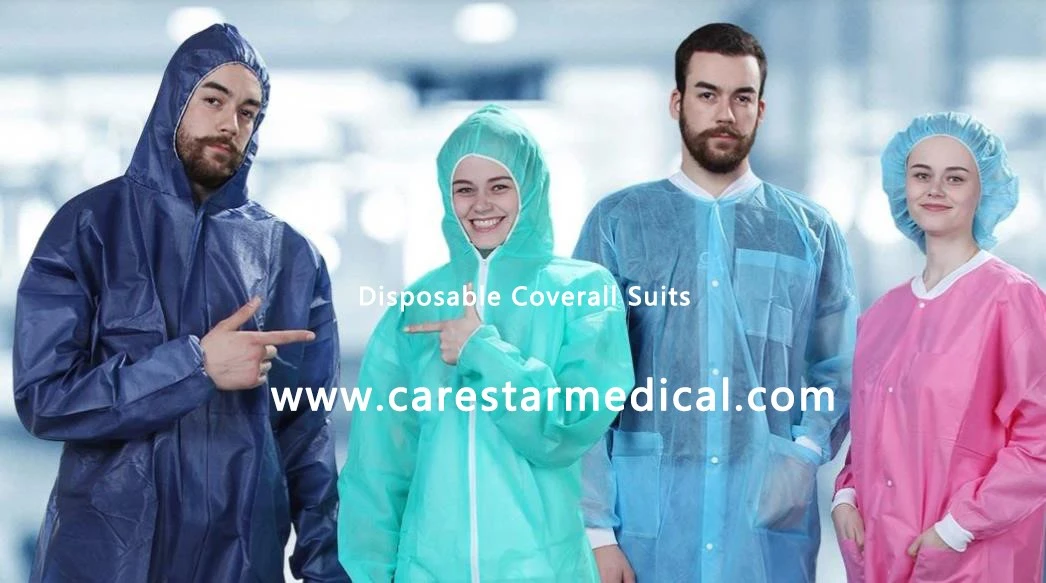
As a professional manufacturer of disposable protective products, CARESTAR focuses on functional reliability rather than unnecessary complexity. CARESTAR protective coveralls with hood are designed based on real-world usage requirements.
Consistent Material Quality
CARESTAR selects stable non-woven materials with controlled thickness and uniform structure. This ensures consistent performance across batches and reduces the risk of tearing during normal use.
Designed for Practical Use
Attention is given to details such as hood shape, elastic strength, and seam construction. These elements improve comfort and help the coverall remain secure during extended wear.
Adapted for Professional Environments
CARESTAR protective coveralls are widely suitable for medical, industrial, laboratory, and food-related applications, supporting different workplace safety standards and hygiene protocols.