












When working in laboratories, pharmaceutical cleanrooms, dental clinics, or any setting where chemical splashes, biological agents, or particulate contamination are present, staff can be exposed to risks ranging from skin irritation to serious infection. In severe cases, a single exposure to a hazardous substance may cause chemical burns, long-term respiratory issues, or an inability to continue working. Employers have a legal duty to protect their people – not just with any PPE, but with the right PPE, properly selected and correctly used.
PPE lab coats play a critical role in laboratory safety strategies, protecting researchers and technicians from exposure to harmful chemicals, biological agents, and particulates, while also preventing contamination of samples from the wearer's own clothing or skin.
Why does lab coat selection matter for laboratory safety?
Not all disposable lab coats offer the same level of protection. A polypropylene lab coat that works fine for a basic chemistry lab may be completely inadequate for a microbiology lab handling infectious agents. Conversely, over‑specifying lab coats (using high‑end microporous film coats for general paperwork) wastes budget that could be better spent elsewhere.
The EN ISO 13688 standard establishes the general requirements for protective clothing in Europe – ergonomics, innocuousness, size designation, ageing, compatibility and marking. All certified protective garments must comply with this basic standard. Beyond that, specific standards address particular hazards. EN 14126 covers protection against infectious agents – the standard required for lab coats used in medical or biological environments where viruses, bacteria, and other pathogenic microorganisms are present.
What protection levels and material types are available?
Disposable lab coats are made from different materials, each suited to different risk levels and work environments. The table below summarises the most common options.
| Material | Typical gsm | Key Properties | Best For |
|---|---|---|---|
| Polypropylene (PP) | 25–35gsm | Lightweight, breathable, economical, low fluid resistance | Low‑risk labs, general dust protection, short‑duration use |
| SMS (Spunbond‑Meltblown‑Spunbond) | 40–60gsm | Good barrier against fluids and particulates, breathable, comfortable | Clinical labs, medical facilities, pharmaceutical production |
| Microporous Film Laminate | 40–60gsm | Strong liquid/splash resistance, Type 4/5/6 protection, less breathable | Chemical handling, wet environments, biohazard protection |
| Tyvek® (HDPE) | - | High durability, particle and liquid splash barrier, breathable, low lint | Cleanrooms, pharmaceutical manufacturing, hazardous material handling |
| PE‑Coated PP | - | Economical fluid‑resistant coating, low breathability | Food processing, light‑duty wet protection, short‑duration use |
AAMI PB70 for medical laboratory settings
If your laboratory operates within a healthcare facility (e.g., clinical pathology labs, blood testing labs), you may also need to consider the ANSI/AAMI PB70 standard for fluid resistance. This standard establishes four levels for medical gowns:
- Level 1 – Minimal fluid barrier. Suitable for basic patient care, standard lab work with no anticipated fluid exposure.
- Level 2 – Low‑to‑moderate fluid barrier. Suitable for blood draws, routine lab work with occasional splash, general laboratory use.
- Level 3 – Moderate fluid barrier. Suitable for arterial blood draws, IV insertion, laboratory work with moderate splash risk.
- Level 4 – Highest barrier, resistant to viral penetration. Suitable for high‑risk biological laboratories and procedures with heavy fluid exposure.
Are disposable lab coats suitable for food processing?
Yes. Disposable lab coats made from polypropylene or SMS are widely used in commercial kitchens, catering, food processing plants, and meatpacking facilities where hygiene and contamination control are required. They protect food products from hair, skin flakes, and other contaminants, while protecting the wearer from oils, fats, and food splashes.
About CARESTAR disposable lab coats
CARESTAR manufactures and supplies disposable lab coats directly to laboratories, hospitals, dental clinics, pharmaceutical facilities, food processing plants, and industrial customers across North America, Europe, and Asia. We are an FDA‑registered facility with ISO 13485 certification.
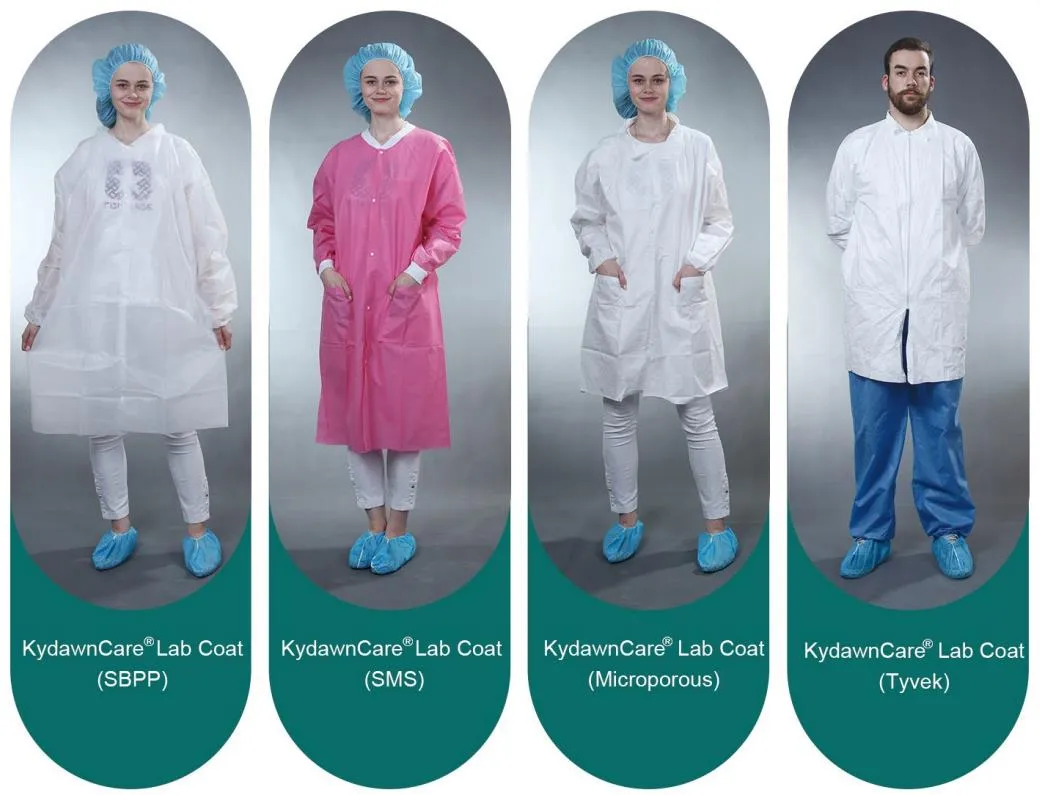
Our disposable lab coat product range includes:
| Type | Material | gsm | Standards | Best For |
|---|---|---|---|---|
| Basic Lab Coat | PP Non‑woven | 25–35gsm | EN ISO 13688 | General lab use, dust protection, school labs |
| SMS Lab Coat | SMS | 40–50gsm | EN ISO 13688, EN 14126 | Clinical labs, medical facilities, biological sample handling |
| Microporous Lab Coat | Microporous film laminate | 40–60gsm | EN ISO 13688, Type 4/5/6 | Chemical handling, biohazard labs, pharmaceutical production |
| Cleanroom Lab Coat | Tyvek® or SMS | - | EN ISO 13688, low‑lint certified | Cleanrooms, electronics manufacturing, pharmaceutical cleanrooms |
We support bulk supply, private labelling, custom packaging, and mixed pallet orders combining lab coats, isolation gowns, coveralls, shoe covers, face masks,disposable caps and other disposable PPE.