










Why Choosing Disposable Isolation Gowns Matters in Personal Protection ?
Across hospitals, laboratories, and high-risk workplaces, the isolation gown has become one of the most relied-upon pieces of protective clothing. Although it is often grouped together with other disposable PPE, its role is very specific: to create a dependable barrier between staff and potential contaminants. As healthcare systems and industrial facilities strengthen their infection-control protocols, the demand for trustworthy, consistently manufactured gowns continues to rise.

Why Isolation Gowns Remain Essential ?
A disposable isolation gown is more than a lightweight garment-it is a frontline defense. In medical environments, it shields healthcare workers from bodily fluids and infectious droplets. In laboratories and cleanrooms, it prevents cross-contamination that can compromise sensitive work or create safety hazards. Many industries, such as food processing and pharmaceuticals, also rely on disposable gowns to maintain hygiene and meet regulatory requirements.
Because these gowns are worn for long hours, buyers increasingly look for products that offer both reliable protection and day-long comfort.
Material Options and Their Performance
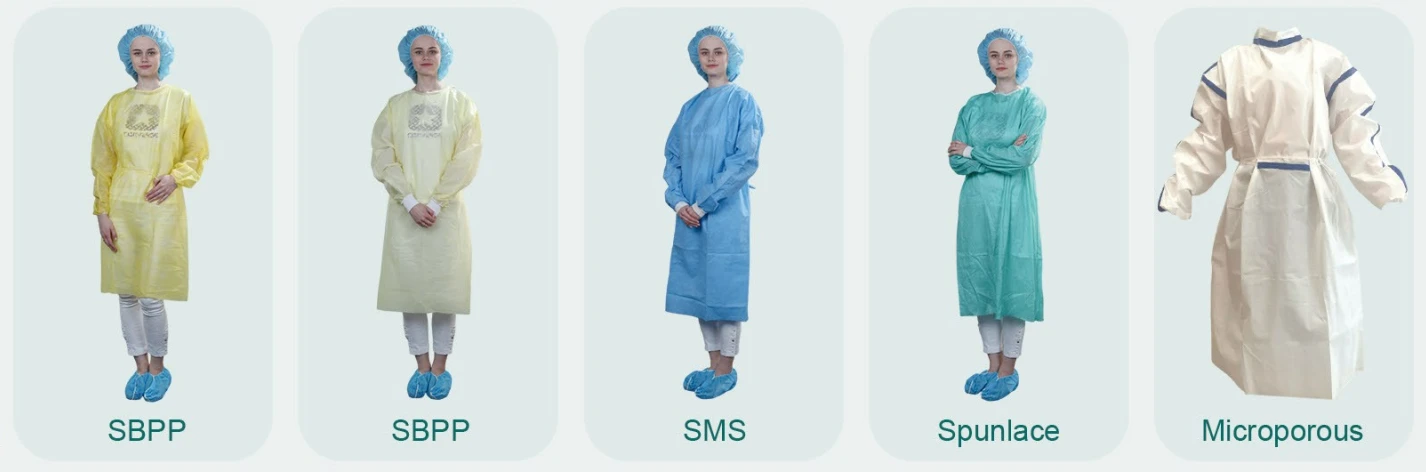
Different workplaces require different levels of protection, making the gown's material a critical decision factor. Common materials include:
Polypropylene (PP): Lightweight, breathable, suitable for low-risk areas.
PP + PE Film: Enhanced liquid resistance, ideal for medical procedures or emergency care.
SMS/SMMS: Multi-layer fabrics that balance filtration, comfort, and protection.
Microporous Film: High-barrier protection for high-risk environments.
CARESTAR focuses on stabilizing the quality of these materials, ensuring uniform fabric weight, strong seams, and reliable waterproof layers. These small details make a significant difference in real-world use.

What Disposable Isolation gown Buyers Pay Close Attention To ?
Based on years of serving medical and industrial customers worldwide, several purchasing priorities are clear:
- Compliance with AAMI PB70 or EN 13795
- Durable stitching or ultrasonic sealing
- Comfortable sizing and color options
- Stable and scalable production capacity
- Cost-efficient packaging
- Traceable quality-control documentation
CARESTAR operates under strict quality systems, with multiple inspection checkpoints including tensile testing, fabric quality checks, and water-resistance testing.
CARESTAR's Manufacturing Approach
Modern automated cutting lines, ultrasonic sealing technology, and clean packing zones allow CARESTAR to maintain consistent measurements and strong seams. The company also supports OEM customization, offering features such as reinforced sleeves, thumb loops, extended gown backs, and various material combinations.

Industry Trends Influencing Demand
Several trends are shaping the future of isolation gowns:
Higher demand for breathable yet protective fabrics
Increased interest in eco-friendly materials
Stricter global import standards
Broader use of gowns beyond hospitals, including dental clinics, laboratories, inspection departments, and food-processing facilities
Manufacturers that can balance quality, efficiency, and customization will remain competitive in this evolving market.
Final Thoughts
Selecting a disposable isolation gown is not just about choosing a protective garment-it is about choosing dependable protection that supports safety, compliance, and user comfort. With strong manufacturing capability and proven export experience, CARESTAR delivers gowns designed to perform consistently across medical, industrial, and high-hygiene environments.
If you need customized specifications, certification support, or market-specific guidance, CARESTAR's team is ready to assist.