














Why Are Lab Coats Essential in Modern Work Environments?
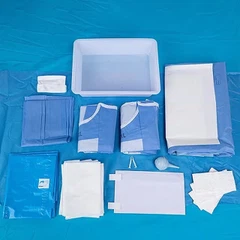
Lab coats are one of the most recognizable pieces of protective clothing, yet their importance is often underestimated. Across laboratories, hospitals, pharmaceutical facilities, food processing plants, and light industrial environments, lab coats provide both a functional and symbolic role: they protect workers and reinforce hygiene protocols.

1. How Do Lab Coats Protect Against Contaminants?
Lab coats act as a barrier between the wearer and the environment, preventing:
- Accidental contact with chemical residues
- Transfer of dust and particulate matter
- Contamination of sensitive products in labs or food processing
For example, in pharmaceutical production, even minor contamination from an unprotected lab coat can compromise an entire batch. Selecting materials like microporous or SMS-coated fabrics ensures both barrier performance and comfort.
2. How Do Lab Coats Support Hygiene Standards?
In hospitals, disposable lab coats reduce the risk of cross-contamination between patients and staff. In laboratories and food processing plants, they prevent the spread of dust, fibers, and microscopic particles.
A structured lab coat program-correct sizing, proper disposal, or routine sanitation-supports regulatory compliance and ensures consistent quality.
3. Why Does Comfort Matter in Lab Coat Selection?
Worker comfort is critical. Breathable fabrics, lightweight construction, and ergonomic designs allow staff to perform long hours without fatigue.
Microporous lab coats, for example, allow moisture vapor to escape while maintaining protection against light splashes, enhancing productivity in research labs and production lines.
4. How Do I Choose the Right Material for My Lab Coat?


Material choice depends on exposure risk:
- Polypropylene (PP) nonwoven coats: low-risk, minimal liquid exposure
- Microporous lab coats: light splash protection with breathability
- SMS or laminated fabrics: protection against fine particles and moderate liquid contact
Choosing the appropriate material requires assessing contamination risk, work duration, and regulatory standards.
5. Should I Use Disposable or Reusable Lab Coats?
Disposable lab coats: reduce cross-contamination, simplify hygiene management, ideal for medical, pharmaceutical, and food environments
Reusable lab coats: cotton/polyester blends, suitable for low-risk environments, require strict laundering
Consider operational efficiency, exposure level, and long-term costs when deciding between disposable and reusable options.
6. What Standards and Guidelines Apply to Lab Coats?
Lab coats must meet industry-specific regulations:
- Healthcare: minimize infection risk
- Food processing: maintain product hygiene
- Laboratory/industrial: ISO or OSHA guidelines for barrier performance and material integrity
Compliance ensures worker safety, product quality, and regulatory adherence.
FAQ – Lab Coats:
Q1: Can a lab coat prevent all types of contamination?
A: No. Lab coats provide a barrier against dust, particles, and light liquid splashes but are not designed for full chemical protection. Higher-risk applications may require specialized protective garments.
Q2: Are microporous lab coats better than standard PP lab coats?
A: Yes, microporous lab coats provide additional liquid resistance and maintain breathability, making them suitable for higher-risk environments compared to basic nonwoven coats.
Q3: How often should disposable lab coats be replaced?
A: After each use or if they become visibly contaminated, torn, or wet. Reusing disposable coats can compromise protection and hygiene.
Q4: Can lab coats be customized for different industries?
A: Yes, customization options include sizes, colors, closures, and even logo printing for hospitals, labs, or food processing facilities.
Q5: How do I ensure consistent quality in bulk purchases?
A: Work with suppliers that maintain strict quality control standards across batches. Consistency in fabric, stitching, and weight ensures reliable protection.