












In environments where cleanliness and moisture control are essential, protective footwear coverings play a more important role than many people realize. Among the various types available today, CPE shoe covers have gained significant attention due to their unique material properties and durability. Their ability to provide a waterproof barrier makes them a preferred choice in industries where liquid exposure, sanitation requirements, or controlled conditions are part of everyday operations.
What Are CPE Shoe Covers?
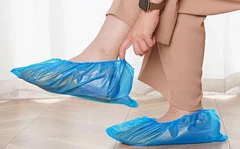
CPE shoe covers are made from Chlorinated Polyethylene, a flexible and water-resistant material commonly used for protective products. The material has a slightly textured surface, which contributes to better grip on smooth floors. Unlike nonwoven shoe covers, which are often chosen for breathability, CPE options focus on waterproof performance, durability, and slip resistance.
Because the material is naturally dense and resistant to fluid penetration, CPE shoe covers are frequently used in areas where spills, splashes, or cleaning processes are part of routine work.

Why CPE Material Is Suitable for Protective Footwear ?
The advantages of CPE in shoe cover manufacturing come from its physical characteristics:
1. Waterproof and Moisture-Resistant
The dense polymer structure helps prevent water, cleaning liquids, and biological fluids from passing through, making CPE ideal in wet environments.
2. Stronger Than Standard Nonwoven Fabrics
CPE is less prone to tearing from friction or sharp edges on footwear, giving it a longer usable lifespan during repetitive movement.
3. Textured or Embossed Surface for Slip Reduction
Many CPE shoe covers feature a patterned surface that increases traction, especially on tiles or polished floors.
4. Easy to Wear and Dispose
Even with its stronger material, CPE remains lightweight and flexible, ensuring comfortable movement and simple disposal after use.
The CPE Shoe Covers Applications:
Due to their waterproof nature, CPE shoe covers are widely applied across industries where protection from moisture or contamination is essential.
Healthcare Facilities:Hospitals, clinics, and laboratories often rely on CPE shoe covers during cleaning operations, in isolation areas, or wherever sanitation protocols demand liquid-resistant protection.
Food Processing and Catering:In environments where spills, condensation, or strict hygiene control are part of daily work, CPE shoe covers help prevent contamination brought by footwear.
Industrial and Chemical Workspaces:Maintenance areas, cleaning rooms, and chemical handling zones frequently require footwear protection against spills and residues.
Cleaning and Property Management Services:Workers entering clients' homes or commercial buildings use CPE shoe covers to protect flooring surfaces and maintain hygiene during service operations.
Wet or Semi-Wet Environments:From car wash stations to sanitation programs, CPE shoe covers help isolate footwear from water and debris.
How CPE Shoe Covers Support Hygiene Control?
Footwear is one of the most frequent carriers of dirt, moisture, and microbial contaminants. By acting as a water-resistant shield, CPE shoe covers limit the transfer of external contaminants to controlled surfaces. This reduces the frequency of cleaning, protects floor finishes, and helps facilities comply with hygiene standards.
Their single-use design also simplifies hygiene management: each pair provides a fresh layer of protection without the need for washing or tracking reuse cycles.
Key Features of CPE Shoe Covers:
Below is a simplified reference table summarizing the typical characteristics:
| Feature | Description |
|---|---|
| Material | Chlorinated Polyethylene (CPE) |
| Performance | Waterproof, durable, slip-resistant |
| Surface Texture | Smooth or embossed |
| Usage Type | Single-use, disposable |
| Applications | Medical, food processing, industrial, cleaning services |
| Benefits | Strong protection against liquids and contaminants |
Choosing the Right Shoe Cover for Your Environment.
Selecting footwear protection should always match the nature of the work environment. For dry areas with high foot traffic, nonwoven shoe covers may provide better breathability. However, in conditions involving water, cleaning chemicals, or sanitation control, CPE shoe covers offer a more reliable solution.