











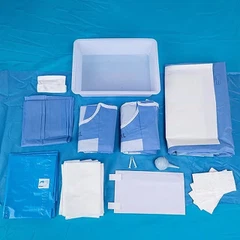
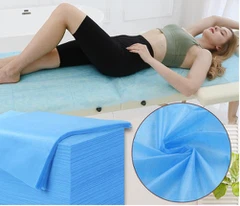

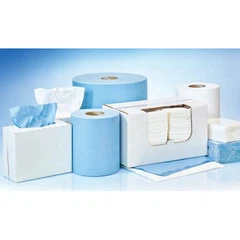

CPE isolation gowns have become a standard choice for healthcare facilities looking for reliable fluid protection at a practical price point. But not all CPE gowns are the same. If you are sourcing PPE for a hospital, clinic, or dental practice, understanding what separates a quality CPE isolation gown from a basic alternative can make the difference between effective protection and unnecessary risk.
What Is a CPE Isolation Gown?
A CPE isolation gown is a disposable protective garment made from chlorinated polyethylene, a material that is processed to enhance its flexibility, durability, and chemical resistance. Compared to conventional polyethylene (PE) gowns, CPE offers superior puncture resistance and a smoother finish that inhibits bacterial growth.
It is worth noting that CPE is not the same as standard poly. The chlorination process modifies the polymer structure, resulting in a material that stands up better to fluids and physical stress without becoming brittle. This is why many medical facilities that previously used basic PE gowns have upgraded to CPE versions when looking for enhanced protection without moving up to more expensive SMS gowns.
Characteristics of CPE isolation gowns include:
- Fluid resistance – Provides an effective barrier against blood, bodily fluids, and other liquids
- Lightweight construction – Typically available in 40gsm or 45gsm material weights, balancing protection with wearer comfort
- Breathable design – Open-back and ventilated styles help prevent overheating during extended use
- Secure fit features – Thumb loops prevent sleeves from riding up, and elastic cuffs provide a snug wrist seal
- Latex-free and eco-friendly – Safe for users with latex sensitivities and manufactured with environmental considerations
AAMI Protection Levels for CPE Isolation Gowns: What Buyers Need to Know:
If there is one thing that confuses buyers more than anything else, it is the AAMI classification system. The standard is not complicated once you understand the basics, but it is easy to get lost in the technical test names.
The ANSI/AAMI PB70 standard establishes four levels of barrier performance for surgical gowns, isolation gowns, and other protective apparel based on standardized test results. Level 1 provides the lowest level of protection, while Level 4 offers the highest barrier effectiveness. CPE isolation gowns are most commonly available in AAMI Level 1, Level 2, and Level 3 configurations, depending on the specific material construction and manufacturing process
| AAMI Level | Barrier Protection | Recommended Use Cases |
|---|---|---|
| Level 1 | Minimal liquid barrier; resists light fluid exposure | Basic patient care, standard hospital units, visitor gowns, general isolation |
| Level 2 | Moderate liquid barrier; low to moderate fluid exposure | Blood draws, suturing, IV therapy, non-surgical patient care |
| Level 3 | High liquid barrier; moderate to high fluid exposure | Surgical procedures, arterial blood draws, ER trauma, insertion of IV lines |
| Level 4 | Highest barrier (rare for CPE; typically SMS or Tyvek) | High-risk surgical procedures, massive fluid exposure |
For most healthcare facilities, AAMI Level 2 CPE gowns represent the sweet spot for everyday use. They offer enough protection for routine procedures without the cost premium associated with higher levels. However, facilities performing procedures with significant splash or spray should evaluate Level 3 options based on their specific risk assessment.
CPE vs. Other Gown Materials: How Do They Compare?
Understanding how CPE stacks up against alternative materials helps procurement teams make informed decisions. Here is a comparison based on real-world performance characteristics.
CPE vs. Standard PE (Polyethylene)
Standard polyethylene gowns are the most basic disposable option. They are inexpensive and provide a decent fluid barrier but tend to be stiff, noisy, and poorly ventilated. CPE improves upon PE with better flexibility, reduced noise, and enhanced breathability while maintaining strong fluid resistance. For facilities currently using basic PE gowns, moving to CPE typically delivers noticeable improvement in staff satisfaction without a dramatic cost increase.
CPE vs. SMS (Spunbond-Meltblown-Spunbond)
SMS is a three-layer nonwoven fabric (polypropylene spunbond + meltblown + spunbond) that offers excellent breathability combined with high barrier protection. SMS gowns are widely considered the gold standard for moderate to high-risk applications because the meltblown layer provides effective filtration against particles and bacteria.
However, SMS carries a higher cost. CPE gowns provide a compelling alternative for applications where the primary concern is fluid splash rather than airborne particles. Many facilities use a tiered approach: CPE gowns for general patient care and low-risk procedures, SMS gowns for higher-risk situations.
CPE vs. Microporous Film
Microporous film materials offer strong breathability and barrier protection but typically come at a premium price point. CPE is generally more economical while still delivering reliable fluid resistance. For facilities managing tight budgets-which is most facilities right now-CPE often represents the best value-to-protection ratio.
Where Are CPE Isolation Gowns Used?
CPE isolation gowns appear across a wide range of healthcare and industrial settings. Understanding where each application fits helps buyers match the right product to the right environment.

- Hospitals and emergency rooms – Used as primary isolation barriers in ERs, surgical wards, ICU step-down units, and general patient floors to prevent cross-contamination. Different AAMI levels are deployed based on the procedure type.
- Dental clinics – Dental professionals face constant exposure to splatter during examinations and procedures. CPE gowns provide essential protection against fluid contamination with easy disposability between patients.
- Laboratories – Suitable for laboratory work where protection against fluid contamination is required, particularly in clinical labs handling patient specimens.
- Food processing and pharmaceutical manufacturing – CPE gowns are used in clean environments to maintain hygiene standards and protect products from contamination. The smooth finish of CPE inhibits bacterial growth, and the material resists moisture and oils commonly encountered in food processing.
- Nursing homes and long-term care facilities – Daily patient interactions, wound care, and assistance with personal hygiene all create opportunities for fluid exposure. CPE gowns offer an economical way to maintain infection control protocols.
- Visitor gowns – Many facilities require visitors entering isolation rooms or immunocompromised patient areas to wear protective gowns. CPE Level 1 gowns are a cost-effective choice for these short-duration, low-risk scenarios.
CPE Isolation Gowns: Frequently Asked Questions:
Q: Are CPE isolation gowns reusable?
A: No. CPE isolation gowns are designed for single use and should be disposed of after each patient encounter or procedure. Reusing disposable gowns compromises barrier integrity and increases infection risk. Follow local medical waste disposal regulations for proper disposal.
Q: What is the difference between CPE and non-woven isolation gowns?
A: CPE (chlorinated polyethylene) is a film material that provides excellent fluid resistance. Non-woven gowns, typically made from polypropylene materials like SMS, are fabric-like and more breathable. Some gowns combine both-a non-woven body with CPE reinforcement in high-exposure zones. The choice depends on whether fluid splash or comfort/breathability is the priority.
Q: Is CPE material breathable?
A: Quality CPE gowns incorporate breathability features such as open-back designs, ventilated panels, or microporous structures that allow airflow while maintaining fluid resistance. However, CPE is less breathable than SMS nonwoven fabrics, which is why CPE gowns are typically recommended for shorter-duration use or procedures where fluid protection is the primary concern.
Q: Do CPE isolation gowns protect against viruses?
A: CPE gowns provide a fluid barrier that reduces the transmission risk of viruses carried in droplets or bodily fluids. For applications requiring viral penetration resistance per ASTM F1671 (testing against bacteriophage Phi-X174 as a viral surrogate), higher AAMI levels or SMS materials are typically specified.
Q: Are CPE gowns latex-free?
A: Yes. Quality CPE isolation gowns are manufactured without natural rubber latex, making them safe for use with latex-sensitive patients and healthcare workers.