











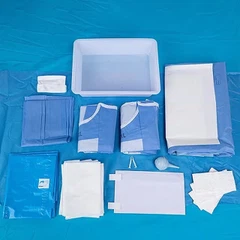
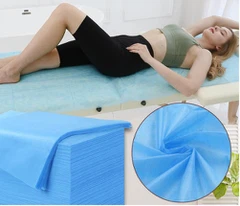

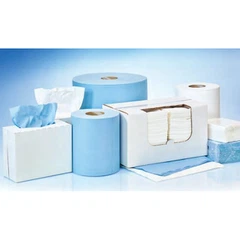
Hey there! I'm a supplier of apron flats, and today I wanna talk about the ventilation in an apron flat. It's a topic that doesn't get enough attention, but it's super important, especially when you're wearing these aprons for long periods.
First off, let's understand why ventilation matters in an apron flat. When you're working, especially in a hot environment or doing physically demanding tasks, your body sweats. If the apron doesn't have good ventilation, all that sweat gets trapped inside. That can lead to a whole bunch of problems, like skin irritation, discomfort, and even an increased risk of heat - related illnesses.
Now, when it comes to different types of apron flats, the ventilation can vary quite a bit. Take the PE Apron for example. Polyethylene (PE) aprons are known for being waterproof and durable. They're great for jobs where you need to keep dry, like in a kitchen or a laboratory. But here's the deal - PE is not the most breathable material. It's like a plastic barrier that keeps the water out, but it also traps the heat and moisture in.
The lack of ventilation in a PE apron can make you feel like you're in a sauna after just a short while. Your skin starts to feel sticky, and you might even notice redness and itching. To combat this, some manufacturers try to add small perforations or vents in the apron. These little holes can help air circulate a bit, but they're not always enough, especially if you're really sweating.
On the other hand, we have the Microporous Apron. Microporous materials are a game - changer when it comes to ventilation. These aprons are made with a special fabric that has tiny pores. These pores are small enough to keep liquids and particles out, but they're large enough to let air and moisture vapor pass through.
This means that when you wear a microporous apron flat, your body can breathe. The sweat evaporates more easily, and you stay cooler and more comfortable. You don't have that suffocating feeling that you often get with a PE apron. It's like having a fresh breeze constantly flowing over your body, even when you're working hard.
Another factor that affects ventilation in an apron flat is the design. A well - designed apron will have features that promote air circulation. For example, aprons with adjustable straps can be tightened or loosened to allow more air to flow in. Some aprons also have a looser fit around the edges, which creates a natural ventilation channel.
The length of the apron can also play a role. Longer aprons might cover more of your body, but they can also restrict air movement. Shorter aprons, on the other hand, can allow more air to reach your legs and lower body, which can make a big difference in how cool you feel.
Now, let's talk about how to test the ventilation of an apron flat. One simple way is to do a quick sweat test. Put on the apron and do some light physical activity for a few minutes. Then, take off the apron and feel the inside. If it's damp and sticky, the ventilation is probably not great. If it's relatively dry and you can feel some air movement, that's a good sign.
You can also look at the product specifications. Reputable manufacturers will often provide information about the breathability of their aprons. They might use terms like "moisture vapor transmission rate" (MVTR). A higher MVTR means that the apron allows more moisture to pass through, which is a good indicator of good ventilation.
In addition to choosing the right type and design of apron flat, there are also some things you can do to improve ventilation while wearing one. For example, make sure you're wearing light - colored, breathable clothing underneath the apron. Dark colors absorb more heat, which can make you feel even hotter. Cotton is a great choice because it's natural and breathable.
You can also take breaks regularly. Step outside for a few minutes to get some fresh air and let your body cool down. If possible, find a place with good air circulation, like near a fan or an open window.
As a supplier of apron flats, I understand the importance of ventilation. That's why I offer a wide range of aprons, including both PE and microporous options. I want my customers to be comfortable and safe while they're working. Whether you're in the food industry, healthcare, or any other field that requires protective aprons, having good ventilation can make a huge difference in your work experience.
If you're in the market for apron flats and want to learn more about the ventilation options available, I'd love to have a chat with you. I can help you choose the right apron for your specific needs. Whether it's a PE apron for its waterproof properties or a microporous apron for its superior ventilation, I've got you covered. Just reach out, and we can start the conversation about finding the perfect apron for you.
References


- Textile Research Journal: Studies on breathable fabrics and their applications in protective clothing.
- Occupational Safety and Health Administration (OSHA) guidelines on heat stress and protective equipment.