











Do aprons in roll have a good drape?
As a supplier of aprons in roll, I often get asked about the drape of these products. The drape of an apron is an important factor, as it can affect both the comfort and the functionality of the apron. In this blog post, I'll delve into whether aprons in roll have a good drape, exploring the factors that influence drape and how different materials used in roll - aprons perform.
What is drape?
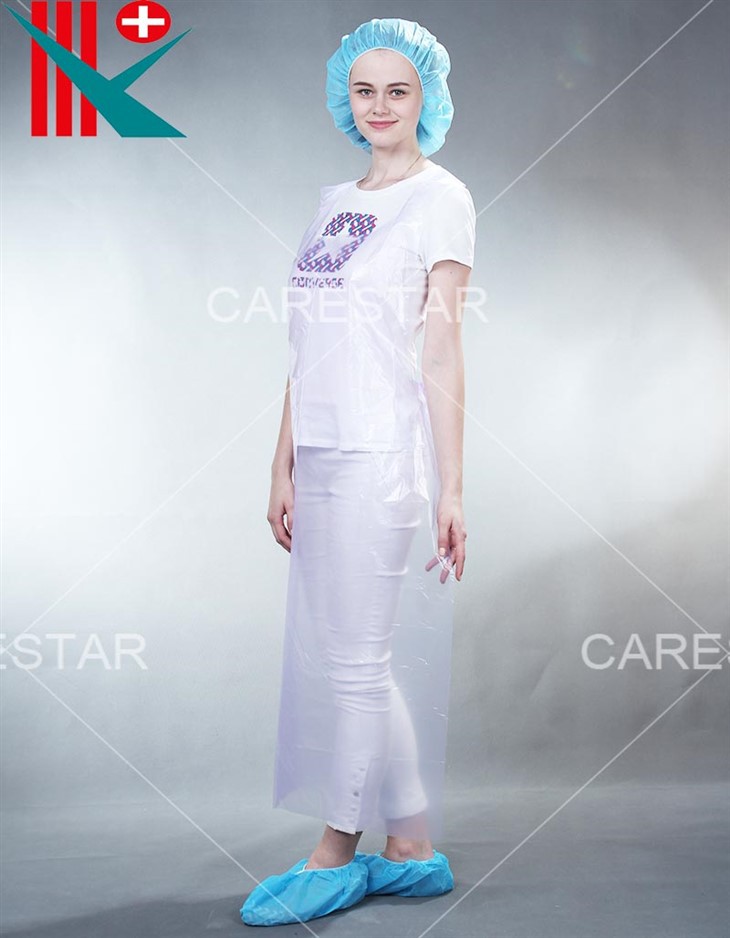
Drape refers to the way a fabric or material hangs when it is suspended or worn. A good drape means that the material falls smoothly and gracefully, conforming to the body's movements without being overly stiff or rigid. In the context of aprons, a good drape is desirable because it allows the apron to move with the wearer, providing freedom of movement and preventing bunching or binding.
Factors influencing the drape of aprons in roll
Material composition
The material from which the apron is made is one of the most significant factors affecting its drape. Different materials have different inherent properties that determine how they will hang.
-
HDPE (High - Density Polyethylene): HDPE aprons are known for their durability and resistance to chemicals. HDPE Apron [/apron - oversleeve/apron - in - roll/hdpe - apron.html]. However, HDPE has a relatively stiff nature compared to some other materials. This stiffness can result in a less fluid drape. The apron may not conform as well to the body's curves and may tend to hold its shape rather than flowing freely. When a wearer moves, the HDPE apron might not move in a natural, flowing way, which could potentially cause some discomfort, especially during activities that require a lot of movement.
-
PVC (Polyvinyl Chloride): PVC aprons are often used in environments where protection against liquids and chemicals is needed. PVC Apron [/apron - oversleeve/apron - in - roll/pvc - apron.html]. Similar to HDPE, PVC can be somewhat stiff, especially when it is a thicker grade. The stiffness can limit the apron's ability to drape well. On the positive side, PVC can be formulated in different ways, and some thinner or more flexible PVC formulations may have a better drape than others. However, in general, PVC aprons may not have the most natural - looking drape compared to more flexible materials.
-
Nonwoven materials: Nonwoven aprons are made from fibers that are bonded together rather than woven. Nonwoven Apron [/apron - oversleeve/apron - in - roll/nonwoven - apron.html]. These materials can vary widely in terms of their drape. Some nonwoven materials are designed to be very lightweight and flexible, which can result in a good drape. They can conform well to the body and move with the wearer's movements. However, other nonwoven materials may be more rigid, depending on the manufacturing process and the type of fibers used. For example, a nonwoven apron made from a denser, more heavily bonded fiber may have a stiffer drape.
Thickness of the material
The thickness of the material used in the apron also plays a role in its drape. Thicker materials generally have a more difficult time draping well. A thick HDPE or PVC apron will be more resistant to bending and flowing compared to a thinner version of the same material. Thicker nonwoven aprons may also have a stiffer drape. However, in some cases, a certain amount of thickness may be necessary for the apron to provide adequate protection, and the trade - off between protection and drape needs to be considered.
Width and length of the apron
The dimensions of the apron can impact its drape. A wider and longer apron may have a better chance of having a good drape as there is more material to fall and flow. A narrow and short apron may not have enough material to create a smooth, flowing drape. However, if the apron is too long or too wide, it can become cumbersome and may not drape well either, as it may bunch up or get in the way of the wearer's movements.
Assessing the drape of aprons in roll
One way to assess the drape of aprons in roll is through physical testing. Take a sample of the apron material and suspend it from a fixed point. Observe how it hangs. A good - draping apron will fall smoothly, with few sharp creases or folds. You can also simulate movement by gently moving the suspended material back and forth. A well - draped apron will move in a natural, fluid manner.
Another method is to have people wear the aprons and provide feedback. This real - world testing can give valuable insights into how the apron drapes during actual use. Wearers can report on whether the apron feels comfortable, if it moves with them without causing any restrictions, and if it has a natural appearance.
Benefits of aprons with good drape
-
Comfort: Aprons with a good drape are more comfortable to wear. They do not restrict the wearer's movements, allowing for greater freedom of motion. This is especially important in jobs that require a lot of bending, reaching, or moving around, such as in the food service industry or in manufacturing plants.
-
Functionality: A well - draped apron is less likely to bunch up or get in the way of the wearer's work. It stays in place better and provides more consistent coverage, which is crucial for protecting the wearer's clothing and body from spills, chemicals, or other hazards.
-
Appearance: Aprons with a good drape look more professional and presentable. In industries where appearance matters, such as in restaurants or some retail settings, a well - draped apron can enhance the overall look of the staff.
Our approach as an apron in roll supplier
As a supplier of aprons in roll, we understand the importance of drape. We work with our manufacturers to ensure that we offer a range of aprons with different levels of drape to meet the diverse needs of our customers.
For customers who prioritize protection over drape, we can recommend thicker HDPE or PVC aprons that may have a stiffer drape but provide excellent protection against chemicals and liquids. For those who need a more comfortable and freely - draping apron, we can offer nonwoven aprons made from lightweight and flexible materials.
We also provide samples to our customers so that they can test the drape and other properties of the aprons themselves. This allows them to make an informed decision based on their specific requirements.
Conclusion
In conclusion, whether aprons in roll have a good drape depends on several factors, including the material composition, thickness, and dimensions of the apron. While some materials like certain nonwoven materials have a better natural drape, others such as HDPE and PVC may require careful consideration to achieve an acceptable level of drape.
As a supplier, we are committed to helping our customers find the right balance between drape, protection, and other important factors. If you are in the market for aprons in roll and have questions about drape or any other aspect of our products, we encourage you to contact us for further discussion and to explore our range of options. We look forward to working with you to meet your apron needs.

References
- Textile Science textbooks for general information on fabric properties and drape.
- Industry reports on apron materials and their performance characteristics.