











Yo, what's up everyone! I'm a supplier of scrub suits, and today I wanna have an open and honest chat about the not - so - great parts of wearing scrub suits. Yeah, I know it sounds a bit counter - intuitive for a supplier to talk about the disadvantages, but I believe in being transparent with you all.
1. Limited Style and Fashion
First off, scrub suits are pretty much the opposite of high - fashion. They come in a limited range of colors and styles. Usually, you're looking at the classic blue, green, or maybe some light gray. It's not like you can walk into a store and pick from a rainbow of options or trendy cuts.
For healthcare workers who have a sense of style, this can be a real bummer. Imagine spending most of your workday in something that doesn't make you feel good about how you look. It's like being stuck in a fashion rut. You can't really express your personality through your work clothes. And let's face it, when you don't feel confident in what you're wearing, it can affect your mood and even your performance at work.
2. Comfort Issues
Now, comfort is a big deal when you're on your feet for long hours, like healthcare professionals often are. Scrub suits, unfortunately, don't always hit the mark.
Fabric Quality: A lot of scrub suits are made from synthetic fabrics. These materials might be cheap to produce, but they're not the best for your skin. They can be itchy and don't breathe well. On a busy day in a hot hospital ward, you'll start to feel like you're wearing a plastic bag. Your skin gets all sweaty and irritated, and it can even lead to rashes or other skin problems over time.
Fit Problems: The sizing of scrub suits can also be a pain. They often come in standard sizes, which might not fit everyone perfectly. If you're a bit on the curvier side or have a taller or shorter build, you might end up with scrub pants that are too long or a top that's too tight. Ill - fitting clothes can restrict your movement, making it harder to do your job efficiently. You don't want to be constantly tugging at your clothes while you're trying to take care of patients.
3. Durability Concerns
Scrub suits take a beating in the healthcare environment. They're exposed to all sorts of things like body fluids, chemicals, and constant washing.
Wear and Tear: Over time, the fabric starts to show signs of wear. The colors fade, and the seams start to come apart. This not only makes the scrub suits look shabby but also reduces their functionality. For example, if a seam on a pocket rips, you can't use it to store your essential tools like pens or small medical devices.
Cost of Replacement: Because they don't last very long, you end up having to replace them frequently. This can be a significant expense, especially for healthcare workers who are on a tight budget. And let's not forget about the environmental impact of constantly throwing away old scrub suits and buying new ones.
4. Hygiene Risks
Even though scrub suits are supposed to be clean and hygienic, they can actually pose some risks.
Bacteria and Germs: Scrub suits can easily pick up bacteria and germs from patients, medical equipment, and the hospital environment. Even after washing, some germs might still linger on the fabric. If you wear the same scrub suit outside of the hospital, you could be spreading these germs to other places, like your home or public areas.
Cross - Contamination: There's also the issue of cross - contamination. If you work in different departments or with different types of patients, wearing the same scrub suit can transfer germs between areas. For example, if you work in an isolation ward and then move to a general care area without changing your scrub suit, you could be putting other patients at risk.
5. Lack of Functionality in Some Situations
While scrub suits are designed for healthcare work, they don't always have all the features you need.
Limited Storage: The pockets on scrub suits are often small and not very well - designed. If you need to carry a lot of things like your phone, keys, a stethoscope, and multiple pens, you'll quickly run out of space. You might end up having to use a separate bag, which can be inconvenient when you're constantly on the move.
Specialty Tasks: In some specialized healthcare tasks, scrub suits might not provide enough protection. For example, if you're working with certain chemicals or in a high - risk environment, you might need additional protective gear on top of your scrub suit. This can make you feel bulky and restricted.
6. Environmental Impact
The production and disposal of scrub suits have a negative impact on the environment.
Production Process: The manufacturing of scrub suits often involves a lot of energy and water. Synthetic fabrics, which are commonly used, are made from petroleum - based products, which are non - renewable resources. The chemicals used in the dyeing and finishing processes can also pollute the environment.
Disposal: As mentioned earlier, scrub suits don't last long, so they end up in landfills. These synthetic fabrics take a long time to decompose, contributing to the growing problem of textile waste.
Now, I know all of this might sound like I'm bashing scrub suits. But hey, every product has its pros and cons. And as a scrub suit supplier, I'm always looking for ways to improve. We're constantly researching and developing new materials and designs to address these issues.
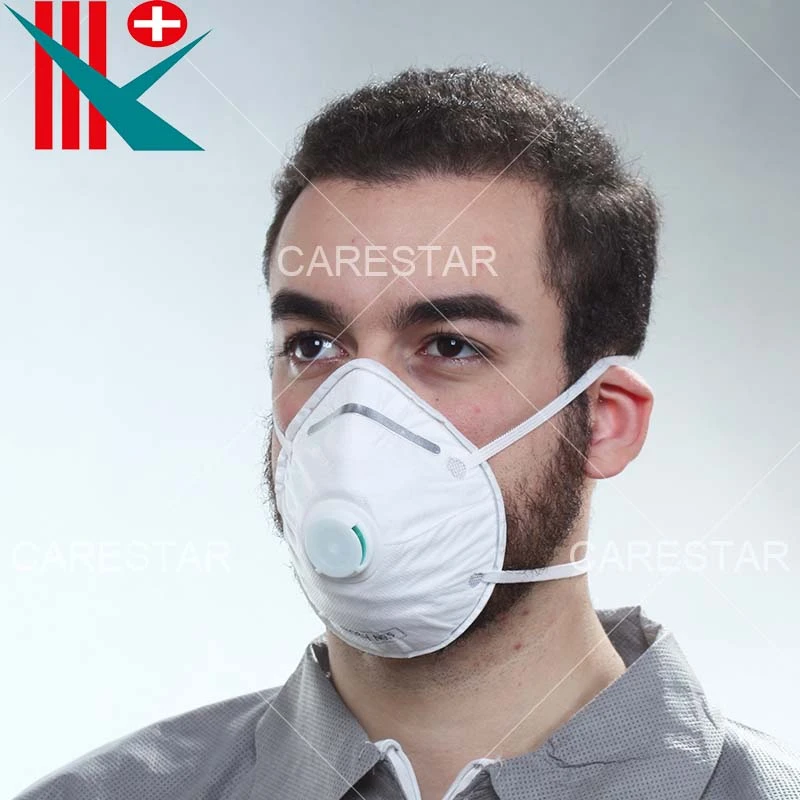
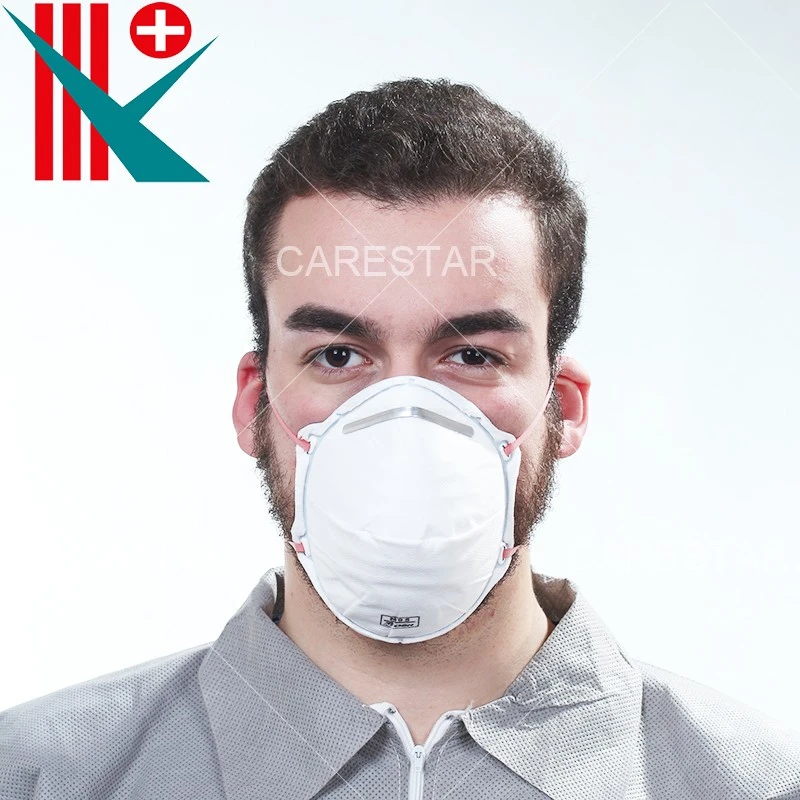
If you're in the market for high - quality scrub suits that try to minimize these disadvantages, or if you're interested in our other protective products like the Disposable FFP2 Mask with Valve, Disposable N95 Respirator, or FFP2 Nonwoven Fabric Respirator, don't hesitate to reach out. We're here to have a chat and see how we can meet your needs. Whether you're a small clinic or a large hospital, we've got solutions for you. Let's work together to make your healthcare work experience better!
References
- Smith, J. (2020). The Impact of Workwear on Healthcare Workers' Well - being. Journal of Healthcare Apparel.
- Johnson, A. (2019). Environmental Concerns in the Textile Industry: A Focus on Scrub Suits. Textile and Environmental Studies.
- Brown, C. (2021). Hygiene Risks Associated with Healthcare Workwear. Medical Hygiene Journal.