












When it comes to purchasing bed sheets, one of the most debated topics is whether to opt for those with a high or low thread count. As a bed sheet supplier, I've encountered numerous customers grappling with this decision. In this blog, I'll delve into the intricacies of thread count, its significance, and help you determine which option is best suited for your needs.
Understanding Thread Count
Thread count refers to the number of threads woven together in one square inch of fabric. It includes both the horizontal (weft) and vertical (warp) threads. Generally, a higher thread count indicates a denser and potentially smoother fabric. For instance, a sheet with a thread count of 200 means there are 200 threads in every square inch, while a 600 - thread - count sheet has three times as many threads in the same area.
The Allure of High Thread Count Sheets
High thread count sheets, often starting from 400 and going up to 1000 or more, have long been associated with luxury and quality. There are several reasons why consumers are drawn to them:
Softness and Smoothness
With a higher number of threads packed closely together, high - thread - count sheets tend to feel incredibly soft against the skin. The increased density creates a smoother surface, reducing the likelihood of irritation, especially for those with sensitive skin. When you slip into a bed dressed with high - quality, high - thread - count sheets, it's like being wrapped in a cloud of comfort.
Durability
Denser fabrics are often more resistant to wear and tear. High - thread - count sheets can withstand repeated washing and use without losing their integrity as quickly as lower - thread - count alternatives. This means you're likely to get more years of use out of them, making them a potentially cost - effective investment in the long run.
Aesthetic Appeal
High - thread - count sheets typically have a more refined and luxurious appearance. They drape well on the bed, giving it a neat and elegant look. The smooth surface also reflects light better, enhancing the overall visual appeal of your bedroom.
However, it's important to note that not all high - thread - count sheets are created equal. Some manufacturers may inflate the thread count numbers through marketing tactics. For example, they might double - count the threads in multi - ply yarns, leading to misleading claims. So, it's crucial to look beyond the thread count and consider other factors such as the quality of the fibers used.
The Benefits of Low Thread Count Sheets
While high - thread - count sheets have their merits, low - thread - count sheets (usually ranging from 180 - 300) also offer several advantages:
Breathability
Low - thread - count sheets are generally more breathable because there is more space between the threads. This allows air to circulate freely, keeping you cool during the night. If you tend to sleep hot, these sheets can be a great choice as they help prevent overheating and sweating.

Affordability
As a general rule, low - thread - count sheets are more budget - friendly. They offer a cost - effective way to dress your bed without breaking the bank. This makes them an attractive option for students, young professionals, or anyone on a tight budget.
Crispness
Some people prefer the crisp feel of low - thread - count sheets. They have a stiffer texture compared to high - thread - count sheets, which can give a fresh and clean sensation when you get into bed. This crispness can also be appealing for those who like a more structured look on their bed.
Factors to Consider Beyond Thread Count
When deciding between high and low thread count sheets, it's essential to take other factors into account:
Fiber Type
The type of fiber used in the sheets has a significant impact on their quality and performance. Cotton is one of the most popular choices due to its softness, breathability, and durability. Egyptian cotton, in particular, is highly regarded for its long fibers, which contribute to a smoother and more luxurious feel. Linen is another excellent option, known for its breathability and natural texture. Synthetic fibers like polyester can be more affordable and wrinkle - resistant, but they may not offer the same level of comfort as natural fibers.
Weave
The weave pattern also plays a role in the characteristics of the sheets. Percale weave, for example, is known for its crispness and breathability, making it a great choice for warm sleepers. Sateen weave, on the other hand, has a silky and smooth finish, often associated with high - end sheets.
Personal Preferences
Ultimately, your personal preferences should guide your decision. Consider your sleeping habits, skin sensitivity, and the overall aesthetic you want to achieve in your bedroom. If you value softness and luxury and don't mind spending a bit more, high - thread - count sheets might be the way to go. However, if you prioritize breathability, affordability, or a crisp feel, low - thread - count sheets could be a better fit.
Our Product Range
As a bed sheet supplier, we offer a wide range of options to cater to different needs and preferences. Whether you're looking for high - thread - count luxury sheets or budget - friendly low - thread - count options, we've got you covered.
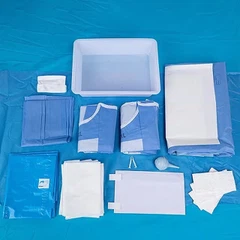
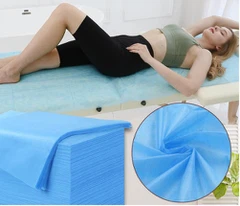
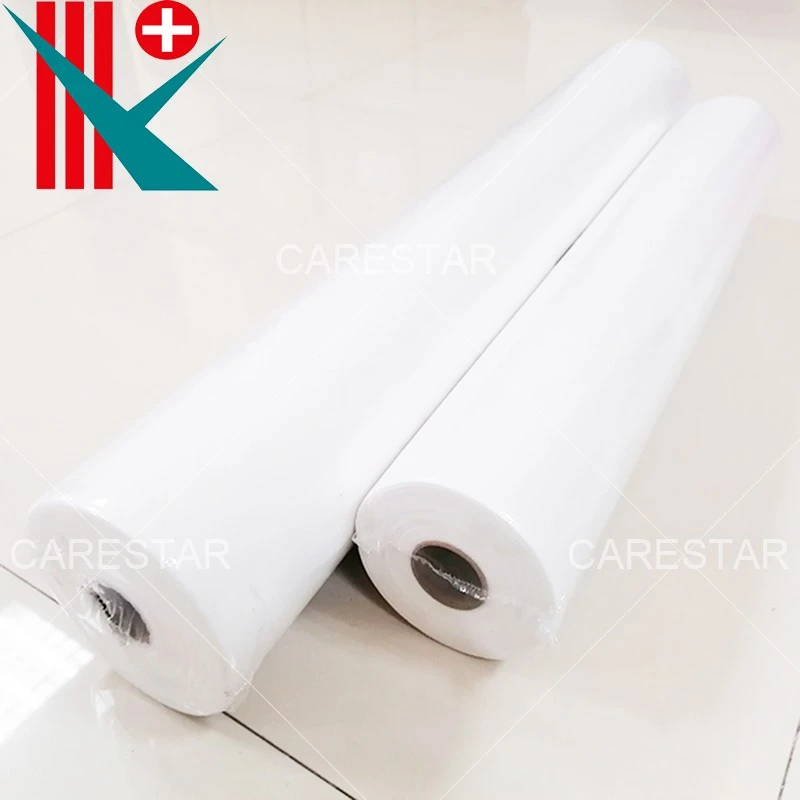
We also provide Non Woven Bed Sheet Rolls and Disposable Pp Bed Sheet Roll. These products are ideal for various settings such as hospitals, hotels, and beauty salons where hygiene and convenience are paramount.
Making the Right Choice
In conclusion, there is no one - size - fits - all answer to the question of whether to buy high or low thread count sheets. It depends on a variety of factors, including your personal preferences, budget, and sleeping habits. By considering all these aspects and looking beyond just the thread count, you can make an informed decision that will ensure a comfortable and restful night's sleep.
If you're still unsure which type of bed sheets are right for you, or if you have any questions about our product range, don't hesitate to reach out. We're here to help you find the perfect sheets for your needs. Whether you're a retailer looking to stock our products or an individual consumer, we welcome you to contact us for a purchase discussion.
References
- Consumer Reports. (Year). "Bed Sheet Buying Guide."
- Textile Institute. (Year). "Understanding Thread Count and Fabric Quality."
- Sleep Foundation. (Year). "How to Choose the Best Bed Sheets."