











Bed sheets are an essential part of our daily lives, providing comfort and a sense of cleanliness in our bedrooms. As a bed sheet supplier, I often get asked about how long bed sheets usually last. The lifespan of bed sheets can vary significantly depending on several factors, including the material, quality, frequency of use, and care. In this blog post, I'll delve into these factors and provide some insights to help you understand how to maximize the longevity of your bed sheets.
Factors Affecting the Lifespan of Bed Sheets
Material
The material of the bed sheets plays a crucial role in determining their durability. Here are some common materials and their typical lifespans:
- Cotton: Cotton is one of the most popular materials for bed sheets due to its softness, breathability, and absorbency. High - quality cotton sheets, such as Egyptian or Pima cotton, can last anywhere from 5 to 15 years. These long - staple cottons have longer fibers, which make the sheets stronger and more resistant to wear and tear. On the other hand, lower - quality cotton sheets may start to show signs of wear after 2 to 3 years.
- Linen: Linen is made from the fibers of the flax plant. It is known for its durability and natural antibacterial properties. Linen sheets can last a long time, often 10 to 20 years. They become softer with each wash, but initially, they may be a bit rough. The high price of linen sheets is often justified by their long lifespan.
- Polyester: Polyester sheets are synthetic and are generally less expensive than natural fiber sheets. They are resistant to wrinkles and shrinking. However, they may not be as breathable as cotton or linen. Polyester sheets can last around 3 to 5 years, but they may pill over time, especially if they are of lower quality.
- Blends: Sheets made from a blend of cotton and polyester combine the best of both worlds. They offer the softness of cotton and the durability and wrinkle - resistance of polyester. Depending on the blend ratio, these sheets can last 5 to 10 years.
Quality
The quality of the bed sheets is another important factor. Higher - quality sheets are usually made with better - grade materials and more precise manufacturing processes. They have a higher thread count, which generally indicates a denser and stronger fabric. For example, a sheet with a thread count of 400 or more is likely to be more durable than one with a lower thread count. Additionally, well - made sheets will have better seams and finishing, which can prevent fraying and unraveling.
Frequency of Use
How often you use your bed sheets also affects their lifespan. If you change your sheets once a week, they will wear out faster than if you change them once a month. Regular use exposes the sheets to body oils, sweat, and dirt, which can break down the fibers over time. Moreover, the friction caused by tossing and turning in bed can cause the fabric to wear, especially in high - stress areas like the foot of the bed.
Care
Proper care is essential for extending the life of your bed sheets. Here are some care tips:
- Washing: Use a gentle cycle and mild detergent when washing your bed sheets. Hot water can damage the fibers, especially in natural materials like cotton and linen. Cold or warm water is usually sufficient. Avoid using bleach unless absolutely necessary, as it can weaken the fibers and cause discoloration.
- Drying: Tumble dry on a low - heat setting to prevent shrinkage and damage to the fibers. Over - drying can make the sheets brittle and more prone to tearing. Air - drying is also a great option, especially for natural fiber sheets.
- Ironing: If you need to iron your sheets, use a low - heat setting. High heat can scorch the fabric, especially synthetic materials.
Lifespan of Different Types of Bed Sheets
Standard Bed Sheets
Standard cotton or cotton - blend bed sheets that are used regularly and properly cared for can last about 5 to 10 years. These sheets are the most common type found in households and are suitable for everyday use.
Luxury Bed Sheets
Luxury bed sheets, such as those made from Egyptian cotton or high - end linen, can last 10 to 20 years. They are an investment, but their long lifespan and superior comfort make them worth the cost.
Disposable Bed Sheets
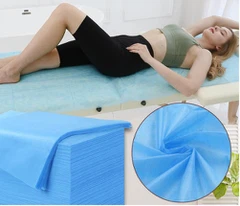
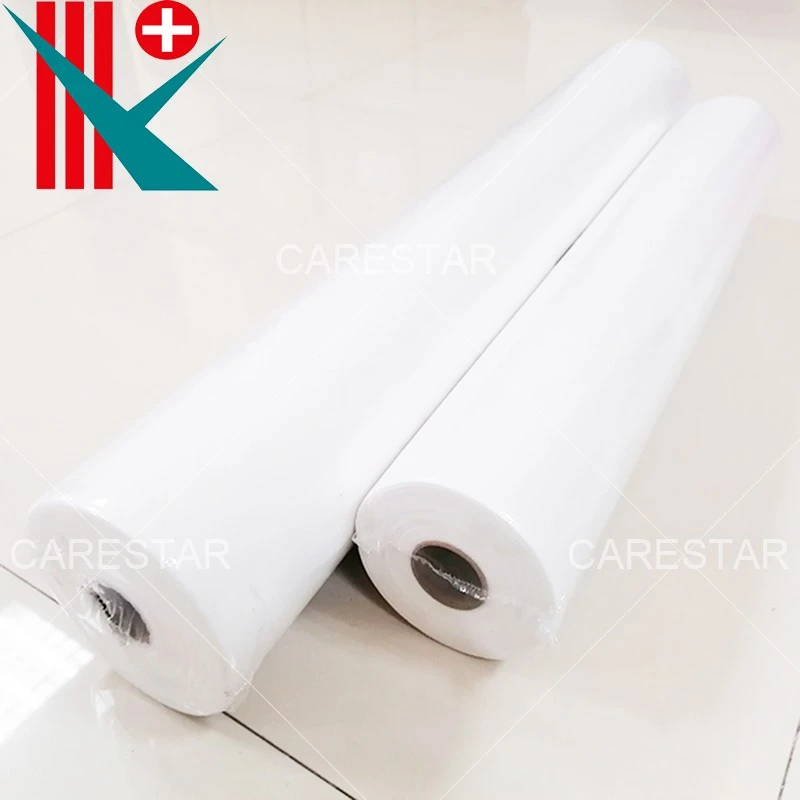
Disposable bed sheets are a different story. These are often used in hospitals, hotels, or for special events. Non Woven Bed Sheet Rolls and Disposable Pp Bed Sheet Roll are designed for single - use or short - term use. They are made from non - woven materials or polypropylene, which are cost - effective and hygienic. These sheets are not meant to last long, usually only for one use or a few uses at most.
Signs That It's Time to Replace Your Bed Sheets
- Fraying and Holes: If you notice fraying at the edges or holes in your sheets, it's a clear sign that they need to be replaced. Fraying can spread quickly, and holes can become larger, making the sheets uncomfortable to use.
- Pilling: Pilling is the formation of small balls of fiber on the surface of the sheet. While it's more common in polyester and blended sheets, it can also occur in natural fiber sheets over time. Excessive pilling can make the sheets feel rough and unappealing.
- Color Fading: If your sheets have lost their original color and look dull, it may be time to replace them. Color fading can be caused by repeated washing, exposure to sunlight, or the use of harsh detergents.
- Loss of Softness: Over time, even the softest sheets can lose their softness. If your sheets feel rough and scratchy, it's a sign that the fibers have been damaged, and it may be time for a new set.
Maximizing the Lifespan of Your Bed Sheets
- Rotate Your Sheets: If you have multiple sets of sheets, rotate them regularly. This allows each set to rest between uses, reducing wear and tear.
- Use a Mattress Protector: A mattress protector can prevent body oils, sweat, and spills from reaching your sheets, which can significantly extend their lifespan.
- Store Your Sheets Properly: When not in use, store your sheets in a cool, dry place. Avoid storing them in plastic bags, as this can trap moisture and cause mildew.
Conclusion
As a bed sheet supplier, I understand the importance of providing high - quality products that last. The lifespan of bed sheets can vary widely depending on material, quality, frequency of use, and care. By choosing the right material, taking good care of your sheets, and being aware of the signs that it's time to replace them, you can ensure that your bed sheets provide comfort and style for many years to come.
If you're interested in purchasing bed sheets that are durable and of high quality, I invite you to contact me for a procurement discussion. I can offer a wide range of bed sheets made from different materials to suit your needs and budget.

References
- Textile Research Journal: Articles on the durability of different textile materials.
- Home Furnishings Today: Publications on the latest trends and quality standards in bed sheets.