











As a bed sheet supplier, I often receive inquiries from customers about how to remove stains from their bed sheets. Stains on bed sheets can be a common and frustrating issue, but with the right knowledge and techniques, you can effectively tackle them and keep your bed sheets looking fresh and clean. In this blog post, I'll share some practical tips and methods based on my experience in the industry.
Understanding Different Types of Stains
Before you start the stain - removal process, it's crucial to identify the type of stain you're dealing with. Different stains require different treatment methods. Here are some common types of stains found on bed sheets:
Food and Beverage Stains
Food and beverage stains such as coffee, tea, wine, and food spills are quite common. These stains are usually caused by pigments and organic substances. For example, coffee and tea contain tannins, which can leave dark, stubborn stains if not treated promptly.
Sweat and Body Oil Stains
Sweat and body oils can accumulate on bed sheets over time, especially around the head and shoulder areas. These stains are often yellowish in color and can be difficult to remove due to the presence of proteins and fats in sweat and oils.
Blood Stains
Blood stains can occur due to minor cuts or nosebleeds during sleep. The iron in hemoglobin gives blood its red color, and if not treated quickly, blood stains can set and become more challenging to remove.
Ink Stains
Ink stains may happen accidentally, for instance, if a pen leaks while in the bed. Ink contains dyes and solvents, and different types of ink (ballpoint, fountain pen, etc.) may require different removal approaches.
General Stain - Removal Precautions
Before applying any stain - removal method, it's important to test it on a small, inconspicuous area of the bed sheet. This helps to ensure that the treatment doesn't damage the fabric or cause discoloration. Also, always follow the care instructions on the bed sheet's label. Some fabrics may be more delicate and require special handling.
Specific Stain - Removal Methods
Removing Food and Beverage Stains
- Coffee and Tea Stains: For fresh coffee or tea stains, immediately flush the stained area with cold water. Then, make a paste by mixing baking soda and water. Apply the paste to the stain and let it sit for about 15 - 20 minutes. After that, rinse the area thoroughly with cold water. If the stain persists, you can use a mild laundry detergent and soak the sheet in a solution for a few hours before washing it as usual.
- Wine Stains: For red wine stains, sprinkle salt on the fresh stain as soon as possible. The salt will absorb some of the wine. Then, rinse the area with cold water. You can also use a mixture of hydrogen peroxide and dish soap. Apply the mixture to the stain, let it sit for a few minutes, and then rinse. Be careful when using hydrogen peroxide, as it may bleach some fabrics.
Removing Sweat and Body Oil Stains
- Vinegar Solution: Mix one part white vinegar with two parts water. Soak the stained area of the bed sheet in this solution for about 30 minutes. Vinegar helps to break down the oils and neutralize the odor. After soaking, wash the sheet with a good - quality laundry detergent.
- Enzyme - Based Detergents: Enzyme - based detergents are very effective in removing protein - based stains like sweat. These detergents contain enzymes that break down the proteins in the stain. Follow the instructions on the detergent package for the best results.
Removing Blood Stains
- Cold Water Soak: For fresh blood stains, soak the stained area in cold water immediately. Do not use hot water, as it can set the blood stain. You can add a small amount of salt to the water to help break down the blood. Let the sheet soak for at least 30 minutes, and then gently rub the stain. If the stain is still there, you can try using a mixture of hydrogen peroxide and water. Apply the mixture to the stain, but test it on a small area first to avoid bleaching.
- Meat Tenderizer: Meat tenderizer contains enzymes that can break down the proteins in blood. Make a paste by mixing meat tenderizer and water, apply it to the stain, and let it sit for 15 - 20 minutes before rinsing.
Removing Ink Stains
- Rubbing Alcohol: For ballpoint pen ink stains, dampen a clean cloth with rubbing alcohol. Gently blot the stain, starting from the outer edge and working towards the center. Do not rub the stain vigorously, as it may spread the ink. Rinse the area with cold water after the ink has been removed.
- Milk: For some types of ink stains, soaking the stained area in milk can be effective. Let the sheet soak in milk for a few hours, and then wash it as usual.
Using Specialized Products
In addition to the home - made stain - removal solutions, there are also many specialized stain - removal products available on the market. These products are formulated to target specific types of stains. When choosing a stain - removal product, make sure it is suitable for the fabric of your bed sheet.
Preventing Stains on Bed Sheets
Prevention is always better than cure. Here are some tips to prevent stains on your bed sheets:
- Use Pillow Protectors: Pillow protectors can prevent sweat, oil, and makeup from staining your pillowcases and bed sheets.
- Avoid Eating in Bed: Eating in bed increases the risk of food and beverage spills on the sheets.
- Change Your Bed Sheets Regularly: Regularly changing your bed sheets helps to prevent the build - up of dirt, sweat, and oils.
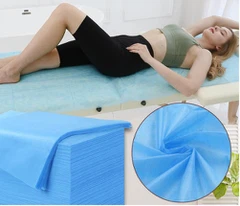
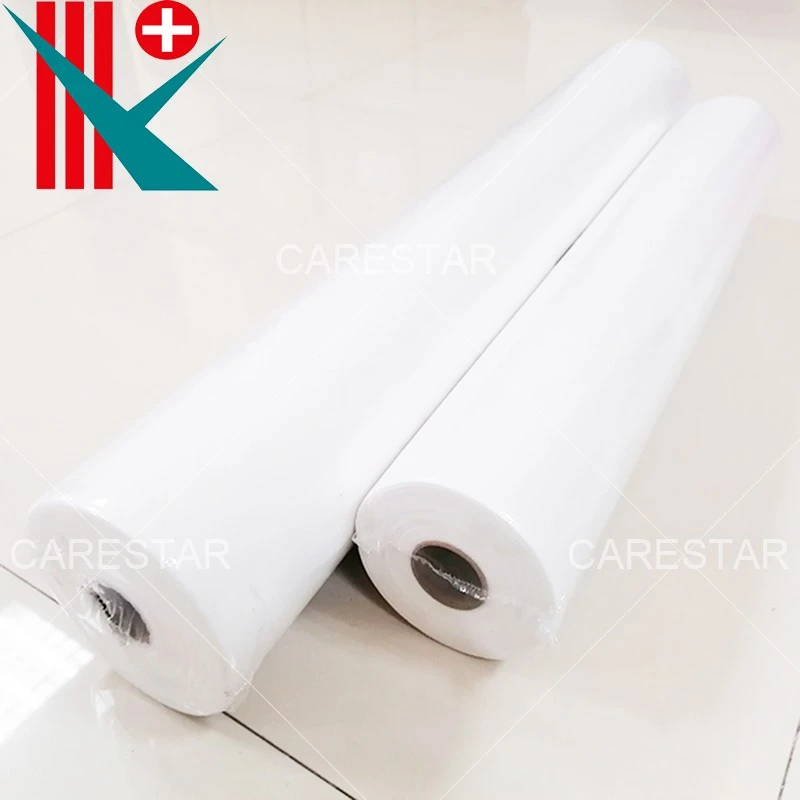
As a bed sheet supplier, we offer a wide range of high - quality bed sheets to meet your needs. We also have Disposable Pp Bed Sheet Roll and Non Woven Bed Sheet Rolls which are not only convenient but also easy to maintain.
If you are interested in our bed sheet products or have any questions about stain removal or bed sheet care, feel free to contact us for a purchase consultation. We are always here to provide you with the best products and services.

References
- "The Complete Guide to Stain Removal" by Cleaning Institute
- "Laundry and Fabric Care Handbook" by Good Housekeeping Institute