











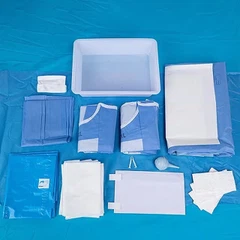



In the fast - paced world of healthcare, ensuring the safety and efficacy of surgical procedures is of utmost importance. One critical aspect that often gets overlooked but can have far - reaching consequences is the proper tracking of the expiration dates of surgical packs. As a surgical pack supplier, I understand the significance of this task and have developed a comprehensive approach to managing expiration dates. In this blog, I will share how I track the expiration date of a surgical pack, the reasons behind it, and the impact it has on the healthcare industry.
Why Tracking Expiration Dates Matters
Before delving into the tracking methods, it's essential to understand why tracking the expiration dates of surgical packs is so crucial. Surgical packs contain a variety of medical supplies, such as surgical drapes, gowns, gloves, and instruments, all of which are designed to maintain a sterile environment during surgical procedures. Over time, the materials in these packs can degrade, losing their effectiveness in preventing infections.
Using expired surgical packs can lead to a higher risk of surgical site infections (SSIs), which are not only costly to treat but also pose a significant threat to patient health. According to the Centers for Disease Control and Prevention (CDC), SSIs are one of the most common healthcare - associated infections, and proper use of sterile supplies is a key preventive measure. By tracking expiration dates, we can ensure that only safe and effective surgical packs are used in operating rooms, thereby protecting patients and reducing the burden on the healthcare system.
Initial Data Collection
The first step in tracking the expiration date of a surgical pack begins at the manufacturing stage. When we produce surgical packs, each pack is assigned a unique identification number. This number is linked to a detailed record that includes information such as the manufacturing date, the components of the pack, and the expiration date. The expiration date is determined based on extensive testing of the materials and components used in the pack.
We also maintain a strict quality control process during manufacturing. This includes regular checks to ensure that all components meet the required standards and that the packaging is intact and properly sealed. Any packs that do not pass these quality checks are immediately removed from the production line.
Once the surgical packs are ready for distribution, we enter all the relevant data into our inventory management system. This system serves as the central hub for all information related to our surgical packs, including their expiration dates.
Inventory Management System
Our inventory management system is the backbone of our expiration date tracking process. It is a sophisticated software solution that allows us to monitor the stock levels and expiration dates of all our surgical packs in real - time. The system is integrated with our barcode scanners, which are used to scan each pack when it is received, stored, or shipped.
When a surgical pack is received into our warehouse, the barcode on the pack is scanned, and the system automatically updates the inventory records. This includes the quantity of packs received, their location in the warehouse, and their expiration dates. The system also generates alerts when a pack is approaching its expiration date. These alerts are sent to our inventory management team, who can then take appropriate action, such as moving the pack to a priority shipping list or disposing of it if it has expired.


In addition to expiration date tracking, the inventory management system also helps us optimize our stock levels. By analyzing historical data and sales trends, we can forecast demand for different types of surgical packs and ensure that we have an adequate supply on hand at all times. This not only helps us meet the needs of our customers but also reduces the risk of overstocking, which can lead to increased costs and waste.
Distribution and Customer Communication
When it comes to distributing surgical packs, we take extra precautions to ensure that only packs with a reasonable amount of shelf - life remaining are sent to our customers. Our inventory management system allows us to prioritize the shipping of packs based on their expiration dates. Packs that are approaching their expiration dates are shipped first, while those with a longer shelf - life are stored for future use.
We also maintain open communication with our customers regarding the expiration dates of the surgical packs they receive. When a customer places an order, we provide them with information about the expiration dates of the packs in their order. This allows them to plan their inventory management and ensure that they are using the packs before they expire.
In addition, we offer training and support to our customers on how to properly store and handle surgical packs to extend their shelf - life. This includes providing guidelines on temperature and humidity control, as well as proper storage conditions.
Types of Surgical Packs and Their Tracking
We offer a wide range of surgical packs to meet the diverse needs of our customers. Some of our popular products include the Disposable Orthopedic Surgical Pack, Disposable Basic Surgical Pack, and Disposable Laparotomy Surgical Pack.
Each type of surgical pack has its own unique characteristics and requirements for expiration date tracking. For example, the Disposable Orthopedic Surgical Pack contains specialized instruments and materials that are designed for orthopedic procedures. These packs often have a longer shelf - life compared to other types of packs, but they still require careful monitoring to ensure that all components remain in good condition.
The Disposable Basic Surgical Pack, on the other hand, is a more general - purpose pack that contains essential items such as surgical drapes, gowns, and gloves. These packs are used in a wide variety of surgical procedures and are in high demand. Our inventory management system is designed to handle the large volume of these packs and ensure that they are always available with a sufficient amount of shelf - life remaining.
The Disposable Laparotomy Surgical Pack is specifically designed for laparotomy procedures, which are invasive abdominal surgeries. These packs contain specialized instruments and materials that are critical for the success of the procedure. Therefore, it is especially important to track their expiration dates closely to ensure that they are safe and effective for use.
Returns and Disposal
Despite our best efforts to track expiration dates, there may be cases where surgical packs are returned by customers. This could be due to a variety of reasons, such as a change in the customer's requirements or a damaged pack. When a pack is returned, it is immediately inspected to determine its condition.
If the pack is still within its expiration date and in good condition, it can be restocked and made available for sale again. However, if the pack has expired or is damaged, it is disposed of in accordance with all relevant regulations. We have a strict disposal process in place to ensure that expired or damaged surgical packs are safely and properly disposed of, minimizing the risk of environmental contamination and the spread of infections.
Conclusion
Tracking the expiration date of a surgical pack is a complex but essential process that requires careful attention to detail at every stage, from manufacturing to disposal. By implementing a comprehensive tracking system that includes initial data collection, inventory management, distribution, and proper disposal, we can ensure that our surgical packs are safe and effective for use in operating rooms.
As a surgical pack supplier, we are committed to providing high - quality products and excellent customer service. We understand the importance of expiration date tracking in protecting patients and maintaining the integrity of the healthcare system. If you are interested in learning more about our surgical packs or would like to discuss your procurement needs, please feel free to reach out to us. We look forward to working with you to ensure the safety and success of your surgical procedures.
References
Centers for Disease Control and Prevention. (n.d.). Surgical Site Infections. Retrieved from [CDC Website]
Manufacturer's guidelines for surgical pack materials and components.