








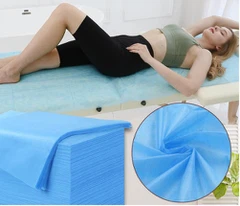

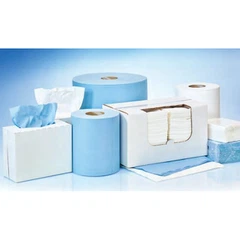
In recent years, environmental concerns have become a central topic across various industries, and the protective clothing sector is no exception. As a supplier of aprons in roll, I've been frequently asked about the eco - friendliness of our products. This blog aims to delve into this question, analyzing the environmental impact of different types of aprons in roll, including PVC Apron, HDPE Apron, and Nonwoven Apron.
Understanding the Basics of Aprons in Roll
Aprons in roll are a convenient and cost - effective solution for many industries, such as food processing, healthcare, and manufacturing. They are typically sold in large rolls, allowing users to cut the aprons to the desired length as needed. This reduces waste compared to pre - cut aprons, as there is less excess material. However, the eco - friendliness of these aprons depends largely on the materials from which they are made.
PVC Aprons
PVC, or polyvinyl chloride, is a widely used plastic material in the production of aprons. PVC aprons are known for their durability, chemical resistance, and waterproof properties. However, from an environmental perspective, PVC has several drawbacks.
The production of PVC involves the use of chlorine, a highly toxic substance. During the manufacturing process, various harmful chemicals are released into the environment, including dioxins, which are known carcinogens. These chemicals can contaminate air, water, and soil, posing significant risks to human health and the ecosystem.
In terms of disposal, PVC aprons are not biodegradable. They can persist in landfills for hundreds of years, taking up valuable space and contributing to the global plastic waste problem. Additionally, when PVC is incinerated, it releases more toxic chemicals, including hydrochloric acid and dioxins, which can further damage the environment.
However, some PVC aprons are now being produced with more environmentally friendly practices. For example, some manufacturers are using recycled PVC materials, which can reduce the demand for virgin PVC and decrease the environmental impact of production. But overall, PVC aprons are still considered less eco - friendly compared to other materials.
HDPE Aprons
HDPE, or high - density polyethylene, is another common material used in apron production. HDPE aprons are lightweight, flexible, and resistant to moisture and chemicals.
From an environmental standpoint, HDPE has some advantages over PVC. HDPE is made from ethylene, a relatively less toxic raw material compared to the chlorine used in PVC production. The manufacturing process of HDPE also produces fewer harmful emissions.
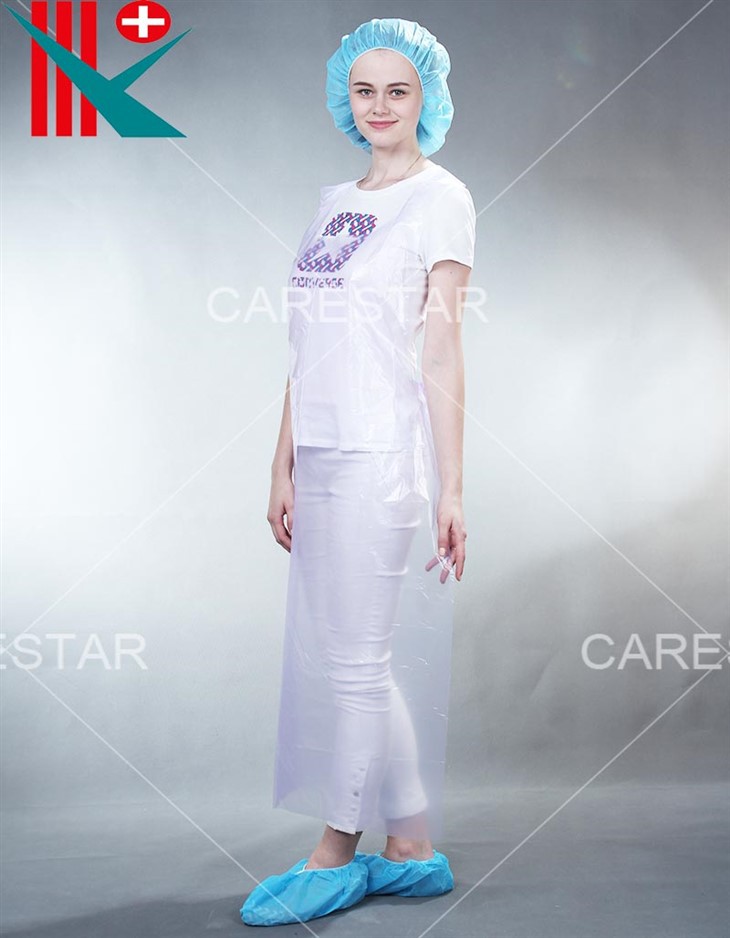
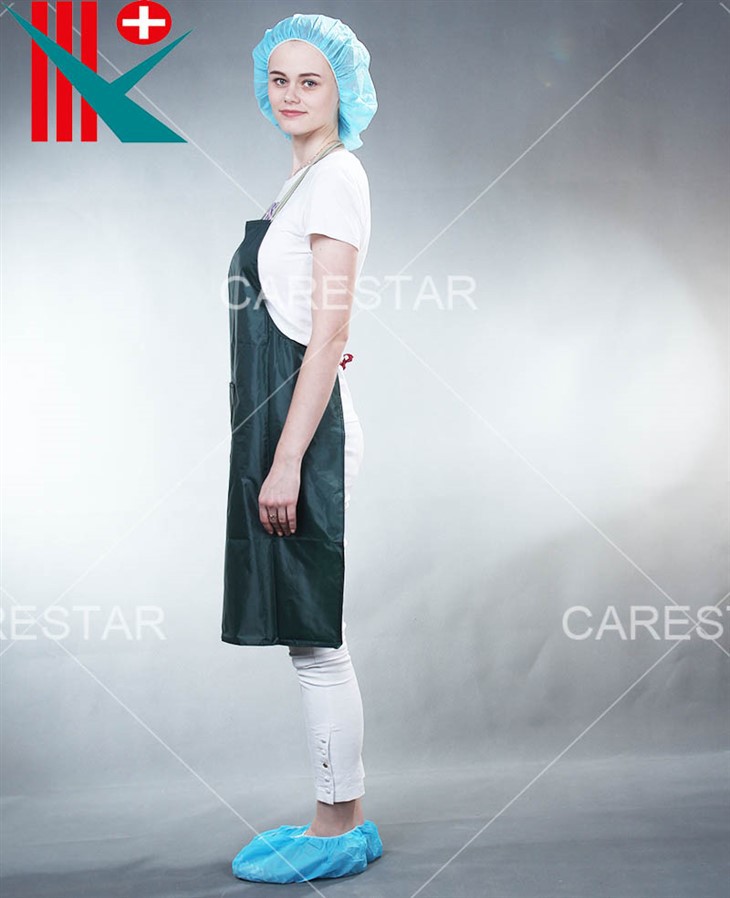
HDPE is also more recyclable than PVC. It can be melted down and reused to make new products, such as plastic lumber, recycling bins, and new aprons. This reduces the amount of plastic waste that ends up in landfills. However, the recycling rate of HDPE is still relatively low, as many consumers and businesses do not have access to proper recycling facilities.
In addition, although HDPE is not biodegradable, it can be broken down into smaller pieces over time through a process called photodegradation. This means that HDPE aprons will eventually break down in the environment, although this process can take many years.
Nonwoven Aprons
Nonwoven aprons are made from fibers that are bonded together through various processes, such as heat, chemicals, or mechanical means. Nonwoven materials can be made from a variety of fibers, including polyester, polypropylene, and cellulose.
One of the main advantages of nonwoven aprons is their potential for biodegradability. Some nonwoven aprons are made from natural fibers, such as cellulose, which can break down in the environment relatively quickly. These aprons are a more sustainable option, as they do not contribute to long - term plastic waste.
Nonwoven aprons also generally require less energy and fewer resources to produce compared to PVC and HDPE aprons. The manufacturing process of nonwoven materials is often more efficient, resulting in lower emissions and less waste.
However, not all nonwoven aprons are biodegradable. Some are made from synthetic fibers, such as polyester and polypropylene, which are similar to other plastics and are not biodegradable. When choosing nonwoven aprons, it is important to check the material composition to ensure that they are environmentally friendly.
Other Environmental Considerations
Apart from the materials, there are other factors to consider when evaluating the eco - friendliness of aprons in roll. For example, the packaging of the aprons can also have an environmental impact. Many aprons are packaged in plastic bags or boxes, which contribute to plastic waste. As a supplier, we are committed to reducing the use of single - use plastic packaging and are exploring more sustainable packaging options, such as paper - based or biodegradable materials.
Another important consideration is the lifespan of the aprons. Reusable aprons, regardless of the material, are generally more eco - friendly than disposable ones. If an apron can be used multiple times, it reduces the overall consumption of materials and waste generation. We encourage our customers to consider the durability and reusability of aprons when making purchasing decisions.
Conclusion
So, are aprons in roll eco - friendly? The answer is not straightforward. It depends on the material, production process, and disposal methods. PVC aprons, while durable and useful, have significant environmental drawbacks due to their production and disposal issues. HDPE aprons are more recyclable and have a relatively lower environmental impact during production, but their low recycling rate and non - biodegradability are still concerns. Nonwoven aprons can be a more sustainable option, especially those made from natural fibers, but it is important to choose the right type.
As a supplier of aprons in roll, we are constantly looking for ways to improve the environmental performance of our products. We are committed to promoting the use of more sustainable materials and production methods. We also encourage our customers to recycle their aprons whenever possible and to choose reusable options when appropriate.
If you are interested in learning more about our eco - friendly apron options or would like to discuss your specific requirements, please feel free to contact us. We are happy to work with you to find the most suitable and environmentally friendly apron solutions for your business.
References
- "Plastic Pollution: A Global Challenge." United Nations Environment Programme.
- "The Environmental Impact of PVC." Greenpeace.
- "Recycling of HDPE and Its Applications." Journal of Plastic Recycling.
- "Nonwoven Materials: Properties and Applications." Textile Research Journal.