











Hey there! As a bed sheet supplier, I get asked a ton of questions about bed sheets. One of the most common ones is, "Do bed sheets shrink after washing?" Well, let's dive right into this topic and find out what's really going on.
First off, it's important to understand that not all bed sheets are created equal. Different materials have different properties when it comes to washing and shrinking. Let's start with the most popular materials you'll find in bed sheets.
Cotton is by far one of the most common materials for bed sheets. It's soft, breathable, and comfortable to sleep on. But here's the deal with cotton: it has a tendency to shrink. Cotton fibers are kind of like little sponges. When you wash them, they absorb water, and as they dry, they can contract. This contraction is what causes the shrinking.
The amount of shrinkage in cotton bed sheets can vary. It depends on a few factors. The quality of the cotton matters a lot. Higher - quality cotton, like Egyptian cotton or Pima cotton, is usually more tightly woven. This tight weave can reduce the amount of shrinkage. Cheaper cotton with a looser weave might shrink more.
Another factor is the way you wash and dry your cotton bed sheets. If you use hot water in the washing machine and then throw them in the dryer on high heat, you're more likely to see significant shrinkage. Hot water can cause the cotton fibers to relax and then contract more during the drying process. On the other hand, if you wash your cotton sheets in cold water and air - dry them, you can minimize shrinkage.
Now, let's talk about polyester. Polyester bed sheets are known for being durable and resistant to wrinkles. Unlike cotton, polyester doesn't shrink as easily. Polyester fibers are synthetic, and they're more stable when exposed to water and heat. You can wash polyester bed sheets in hot water and dry them on high heat without worrying too much about shrinkage. However, extreme heat can still cause some minor changes in the fabric, but it's nothing like the shrinkage you'd see with cotton.
Blended fabrics are also quite common. A lot of bed sheets are made from a blend of cotton and polyester. These blends try to combine the best of both worlds. The cotton gives the softness and breathability, while the polyester adds durability and reduces shrinkage. The amount of shrinkage in blended bed sheets depends on the ratio of cotton to polyester. If there's a higher percentage of cotton, there'll be more potential for shrinkage, but it'll still be less than 100% cotton sheets.


Linen is another material used for bed sheets. Linen is made from the flax plant, and it's known for its coolness and absorbency. Similar to cotton, linen can shrink when washed. Linen fibers are a bit more rigid than cotton, but they still expand when wet and contract when dry. The shrinkage in linen bed sheets can be significant, especially if you don't take proper care. Like with cotton, washing in cold water and air - drying can help reduce shrinkage.
Silk bed sheets are luxurious and smooth. Silk is a natural protein fiber, and it's quite delicate. Silk can shrink if not washed correctly. Silk should always be washed in cold water with a gentle detergent. You should also avoid wringing or twisting the silk while it's wet. Drying silk in the dryer is a big no - no. Instead, lay it flat to dry. If you follow these steps, you can prevent shrinkage in silk bed sheets.
As a bed sheet supplier, I've seen all kinds of situations with shrinkage. Sometimes, customers come back complaining that their new bed sheets shrank after the first wash. That's why it's so important to educate people about how to take care of their bed sheets.
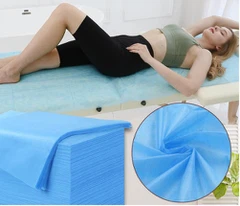
Now, let's touch on some of the products we offer. We have Non Woven Bed Sheet Rolls. These are great for a variety of uses. Non - woven bed sheets are made from fibers that are bonded together rather than woven. They're often more resistant to shrinkage because the bonding process makes the fabric more stable. They're also lightweight and easy to handle.
Another product we have is Disposable Pp Bed Sheet Roll. These are made from polypropylene, which is a type of plastic. Disposable PP bed sheets are waterproof and can be used in many different settings. Since they're made from plastic, they don't shrink at all when washed. They're also very cost - effective, especially for short - term use.
So, what can you do to prevent your bed sheets from shrinking? Here are some tips:
- Read the care label: This is the most important thing. The care label on your bed sheets will tell you the recommended washing and drying instructions. Follow them to the letter.
- Wash in cold water: Cold water is less likely to cause shrinkage in most materials. It's also better for the environment and can save you money on your energy bill.
- Air - dry or use low heat: If possible, air - dry your bed sheets. If you have to use a dryer, use the lowest heat setting. High heat is the enemy when it comes to shrinkage.
- Don't over - agitate: When washing your bed sheets, use a gentle cycle on your washing machine. Over - agitation can cause the fibers to break down and lead to more shrinkage.
In conclusion, whether or not your bed sheets shrink after washing depends on the material they're made of and how you take care of them. As a bed sheet supplier, I want to make sure that you get the most out of your purchase. We offer a wide range of bed sheets in different materials, so you can choose the ones that best suit your needs.
If you're interested in our bed sheets or have any questions about shrinkage or our products, feel free to reach out. We're always here to help you make the right choice for your bedding needs. Let's have a chat and see how we can work together to get you the perfect bed sheets.
References
- Textile Science textbooks
- Industry research on fabric shrinkage