










As a vinyl glove supplier, I often receive questions from customers about the various applications of our products. One question that comes up quite frequently is whether vinyl gloves can be used for baking. In this blog post, I'll explore this topic in detail, examining the properties of vinyl gloves, the requirements of baking, and the potential risks and benefits of using vinyl gloves in the kitchen.
Understanding Vinyl Gloves
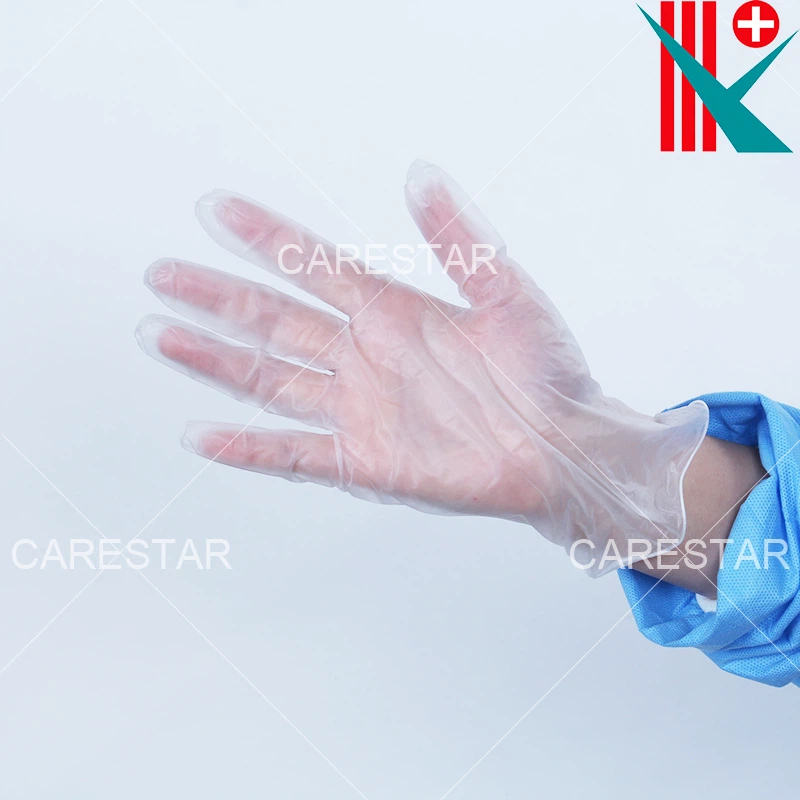
Vinyl gloves are a popular choice for many industries due to their affordability, comfort, and wide range of applications. They are made from polyvinyl chloride (PVC), a synthetic plastic polymer that is known for its durability and resistance to chemicals. Vinyl gloves are typically disposable, which makes them a convenient option for tasks that require frequent glove changes or where hygiene is a concern.
One of the key advantages of vinyl gloves is their low cost. Compared to other types of gloves, such as latex or nitrile, vinyl gloves are relatively inexpensive, making them a cost-effective choice for businesses and individuals on a budget. Additionally, vinyl gloves are available in a variety of sizes and thicknesses, allowing users to choose the glove that best suits their needs.
Another benefit of vinyl gloves is their comfort. They are lightweight and flexible, which allows for a greater range of motion and dexterity. Vinyl gloves also have a smooth surface, which makes them easy to put on and take off. This is especially important in applications where gloves need to be changed frequently, such as in the food service industry.
However, vinyl gloves also have some limitations. They are not as durable as latex or nitrile gloves, and they may tear or puncture more easily. Additionally, vinyl gloves are not as resistant to heat as some other types of gloves, which can be a concern when using them in high-temperature environments.
The Requirements of Baking
Baking is a process that involves applying heat to food in an oven or other baking appliance. The temperature and duration of the baking process can vary depending on the type of food being baked, but it typically ranges from 300°F to 450°F (150°C to 230°C). During the baking process, the food is exposed to high temperatures, which can cause it to expand, rise, and develop a crust.
In addition to heat, baking also requires careful handling and precision. Bakers need to measure ingredients accurately, mix them thoroughly, and shape the dough or batter into the desired form. They also need to handle hot pans and trays safely, without burning themselves or damaging the food.
Can Vinyl Gloves Be Used for Baking?
The short answer is that it depends. While vinyl gloves can provide some protection and convenience in the kitchen, they are not recommended for use in high-temperature baking applications. Here are some factors to consider when deciding whether to use vinyl gloves for baking:
Heat Resistance
As mentioned earlier, vinyl gloves are not as resistant to heat as some other types of gloves. The melting point of vinyl is typically around 160°F to 170°F (70°C to 75°C), which means that they can start to melt or deform at temperatures commonly used in baking. If a vinyl glove comes into contact with a hot surface or is exposed to high temperatures for an extended period of time, it can melt, stick to the skin, or release harmful chemicals.
Chemical Resistance
Baking often involves the use of various chemicals, such as baking powder, baking soda, and vinegar. These chemicals can react with the vinyl in the gloves, causing them to break down or release harmful substances. Additionally, some baking ingredients, such as oils and fats, can penetrate the vinyl and cause it to become brittle or sticky.
Hygiene
One of the main reasons for wearing gloves in the kitchen is to maintain hygiene and prevent the spread of bacteria and other contaminants. While vinyl gloves can provide some protection against germs, they are not as effective as other types of gloves, such as latex or nitrile. Vinyl gloves are porous, which means that they can allow bacteria and other microorganisms to pass through. Additionally, vinyl gloves can tear or puncture easily, which can compromise their effectiveness as a barrier against contamination.
Comfort and Dexterity
Vinyl gloves are lightweight and flexible, which can make them comfortable to wear and allow for a greater range of motion and dexterity. However, they may not provide the same level of grip and control as other types of gloves, which can be a concern when handling hot pans and trays or working with delicate dough or batter.
Alternatives to Vinyl Gloves for Baking
If you need to wear gloves while baking, there are several alternatives to vinyl gloves that are better suited for high-temperature applications. Here are some options to consider:
Latex Gloves
Latex gloves are a popular choice for many industries, including the food service industry. They are made from natural rubber, which makes them highly durable and resistant to tears and punctures. Latex gloves are also more resistant to heat than vinyl gloves, and they can withstand temperatures up to 200°F (93°C) for short periods of time.

However, latex gloves can cause allergic reactions in some people, which can be a concern for individuals with latex allergies. Additionally, latex gloves are more expensive than vinyl gloves, which can be a factor for businesses on a budget.
Nitrile Gloves
Nitrile gloves are a synthetic alternative to latex gloves. They are made from a type of rubber called nitrile butadiene rubber (NBR), which is known for its durability, resistance to chemicals, and puncture resistance. Nitrile gloves are also more resistant to heat than vinyl gloves, and they can withstand temperatures up to 220°F (104°C) for short periods of time.
Like latex gloves, nitrile gloves are more expensive than vinyl gloves, but they are a good option for individuals with latex allergies or for applications where durability and chemical resistance are important.
Heat-Resistant Gloves
If you need to handle hot pans and trays directly, you may want to consider using heat-resistant gloves. These gloves are designed to protect your hands from high temperatures and can withstand temperatures up to 1000°F (538°C) or more. Heat-resistant gloves are typically made from materials such as Kevlar, Nomex, or silicone, which are known for their high heat resistance and durability.
Heat-resistant gloves are more expensive than vinyl gloves, but they are a necessary investment for anyone who works with hot objects on a regular basis.
Conclusion
In conclusion, while vinyl gloves can provide some protection and convenience in the kitchen, they are not recommended for use in high-temperature baking applications. The low heat resistance of vinyl gloves makes them a potential safety hazard, and they may not provide the level of protection and durability needed for baking.
If you need to wear gloves while baking, it is recommended that you choose a type of glove that is specifically designed for high-temperature applications, such as latex, nitrile, or heat-resistant gloves. These gloves can provide better protection and durability, and they can help you to handle hot pans and trays safely and comfortably.
As a vinyl glove supplier, I understand that different applications require different types of gloves. If you have any questions about the suitability of our vinyl gloves for your specific needs, or if you are interested in learning more about our other glove products, please [contact us for procurement and negotiation]. We are happy to help you find the right gloves for your business.
References
- ASTM International. (2019). Standard Specification for Vinyl Examination Gloves. ASTM D6319-19.
- Food and Drug Administration. (2020). Guidance for Industry: Preparation of Premarket Notifications (510(k)s) for Medical Gloves.
- National Institute for Occupational Safety and Health. (2019). Preventing Heat-Related Illness Among Workers in Outdoor and Indoor Hot Environments. NIOSH Publication No. 2019-118.