










Can I wear a raincoat in a downpour? This is a question that many people might have when faced with heavy rain. As a raincoat supplier, I'm here to provide you with a comprehensive answer and share some insights about raincoats and their performance in extreme weather conditions.
Understanding the Nature of a Downpour
A downpour is characterized by intense and heavy rainfall. It can bring a large volume of water in a short period, which poses a significant challenge to any protective gear. The force of the raindrops, combined with the quantity of water, can test the limits of most rain protection equipment.
When it comes to wearing a raincoat in a downpour, the first thing to consider is the quality and design of the raincoat. Not all raincoats are created equal, and their ability to keep you dry in a downpour can vary greatly.
Types of Raincoats and Their Suitability for Downpours
Disposable Raincoats
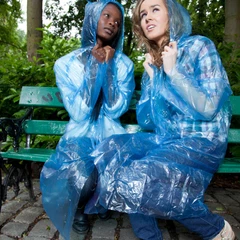
Disposable raincoats are a popular choice for many people due to their affordability and convenience. They are typically made from lightweight materials such as polyethylene (PE). Disposable Raincoat are easy to carry around and can be a great option for unexpected rain showers. However, in a downpour, their performance might be limited.
The thin material of disposable raincoats may not be able to withstand the force of the heavy raindrops for an extended period. They can tear easily, especially if there is any friction or movement. Additionally, the seams of disposable raincoats are often not as well-sealed as those of more durable raincoats, which can lead to water seepage.
Disposable PE Ponchos
Disposable PE Poncho are another type of disposable rain protection. They are usually larger in size and cover more of the body. Ponchos are designed to be simple and easy to use, but they also have their drawbacks in a downpour.
The open design of ponchos means that there is no tight seal around the neck, wrists, or ankles. This can allow water to run down the body and soak the clothes underneath. Moreover, like disposable raincoats, ponchos made from PE material may not be very durable in heavy rain.
Disposable Waterproof Raincoats
Disposable Waterproof Raincoat are specifically designed to provide better protection against water. They are often made with more advanced waterproof materials and have better-sealed seams. These raincoats can offer a higher level of protection in a downpour compared to regular disposable raincoats and ponchos.
However, even disposable waterproof raincoats have their limitations. They are still disposable products, which means they are not built to last for a long time. In a very severe downpour or if worn for an extended period, they may start to show signs of wear and tear.
Factors Affecting Raincoat Performance in a Downpour
Material Quality
The quality of the material used in a raincoat is crucial. High-quality waterproof materials such as Gore-Tex or eVent are designed to be breathable while keeping water out. These materials can withstand heavy rain and are more durable than cheaper alternatives.
On the other hand, low-quality materials may not provide adequate protection in a downpour. They can become saturated quickly, allowing water to penetrate through the fabric.
Seam Sealing
The seams of a raincoat are a common area where water can seep in. Well-sealed seams are essential for keeping you dry in a downpour. Some raincoats use taped seams, which are more effective at preventing water from entering compared to regular stitched seams.
Fit and Design
A well-fitting raincoat is more likely to keep you dry in a downpour. It should cover all the necessary areas of the body and have a snug fit around the neck, wrists, and ankles to prevent water from getting in. Additionally, features such as adjustable hoods, cuffs, and waistbands can help to improve the fit and increase the raincoat's effectiveness.
Tips for Wearing a Raincoat in a Downpour
If you decide to wear a raincoat in a downpour, here are some tips to help you stay dry:


- Choose the Right Raincoat: Select a raincoat that is suitable for heavy rain. Consider the material, seam sealing, and fit.
- Layer Your Clothing: Wear a moisture-wicking base layer underneath your raincoat to keep your body dry. This can help to prevent sweat from building up inside the raincoat.
- Adjust the Fit: Make sure the raincoat fits properly and adjust any adjustable features such as the hood, cuffs, and waistband.
- Be Careful with Movement: Avoid excessive movement that could cause the raincoat to tear or allow water to seep in through the seams.
- Inspect the Raincoat Regularly: Check the raincoat for any signs of damage or wear, especially if you are wearing it for an extended period.
Conclusion
So, can you wear a raincoat in a downpour? The answer is yes, but it depends on the type of raincoat and its quality. While disposable raincoats and ponchos can provide some protection, they may not be the best choice for a long or severe downpour. Disposable waterproof raincoats offer better protection, but they also have their limitations.
If you are frequently exposed to heavy rain, it might be worth investing in a high-quality, durable raincoat made from advanced waterproof materials. As a raincoat supplier, we offer a wide range of raincoats to suit different needs and budgets. Whether you need a disposable raincoat for occasional use or a high-performance raincoat for extreme weather conditions, we have the right product for you.
If you are interested in purchasing raincoats for your business or personal use, please feel free to contact us for more information and to discuss your specific requirements. We are committed to providing you with the best raincoat solutions and excellent customer service.
References
- ASTM International. (2023). Standard Test Methods for Water Resistance of Textiles (Rain Test).
- Gore-Tex. (2023). How Gore-Tex Works.
- eVent. (2023). eVent Fabric Technology.