












When it comes to laboratory safety, choosing the right protective equipment is crucial. One question that often arises is whether an apron in roll can be used in a laboratory setting. As a supplier of apron in roll, I am well - versed in the characteristics and applications of these products, and I'm here to provide you with a comprehensive analysis.
The Advantages of Using Aprons in Roll in Laboratories
1. Cost - Effectiveness
Aprons in roll are generally more cost - effective compared to pre - cut individual aprons. Since they come in a continuous roll, you can cut the apron to the desired length according to your needs. This means you can use only the amount of material you require, reducing waste and saving money in the long run. For laboratories on a budget, this is a significant advantage as they can obtain the necessary protection without overspending.
2. Customizability
The ability to customize the size of the apron is a major benefit. Different laboratory tasks may require different apron lengths. For example, when working at a bench with a lot of overhead equipment, a shorter apron might be more practical to avoid getting caught on things. On the other hand, when dealing with large spills or splashes, a longer apron can provide better coverage. With an apron in roll, you have the flexibility to create the perfect - sized apron for each specific situation.
3. Convenience
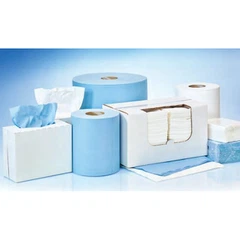
Aprons in roll are easy to store and dispense. They can be placed on a dispenser near the work area, allowing laboratory personnel to quickly and easily access an apron whenever needed. This convenience can encourage more consistent use of protective aprons, which is essential for maintaining a safe working environment.
Types of Aprons in Roll Suitable for Laboratories
1. PVC Apron
PVC Apron is a popular choice for laboratories. PVC (Polyvinyl Chloride) is a durable and chemical - resistant material. It can withstand exposure to a wide range of chemicals, including acids, alkalis, and solvents. PVC aprons are also waterproof, which makes them ideal for protecting against liquid spills. They are easy to clean and can be reused multiple times, further enhancing their cost - effectiveness.
2. HDPE Apron
HDPE Apron is made from High - Density Polyethylene. HDPE is a lightweight yet strong material. It offers good resistance to many chemicals and is highly tear - resistant. HDPE aprons are also breathable to some extent, which can reduce the discomfort associated with wearing protective clothing for long periods. They are suitable for general laboratory work where chemical exposure is not extremely high.
3. Nonwoven Apron
Nonwoven Apron is another option. Nonwoven materials are made by bonding fibers together rather than weaving them. These aprons are often disposable, which is beneficial in situations where cross - contamination is a concern. They are lightweight and comfortable to wear, making them a good choice for short - term or low - risk laboratory tasks.
Considerations When Using Aprons in Roll in Laboratories
1. Chemical Compatibility
Before using an apron in roll in a laboratory, it is essential to ensure that the material is compatible with the chemicals being used. Different chemicals can react differently with various apron materials. For example, some solvents may dissolve PVC, while others may not affect it. Always refer to the chemical compatibility chart provided by the apron manufacturer to make an informed decision.
2. Quality and Standards
The quality of the apron in roll is of utmost importance. Look for aprons that meet relevant safety standards, such as EN ISO 13982 - 1 for protection against solid particles or EN 14605 for protection against liquid chemicals. High - quality aprons are more likely to provide reliable protection and last longer.
3. Proper Use and Maintenance
Even the best - quality aprons need to be used and maintained correctly. Laboratory personnel should be trained on how to properly put on, wear, and remove the apron. They should also be aware of when to replace the apron if it is damaged or contaminated. Regular inspection of the aprons is necessary to ensure their continued effectiveness.
Conclusion
In conclusion, an apron in roll can be a valuable addition to a laboratory's safety equipment. Its cost - effectiveness, customizability, and convenience make it a practical choice for many laboratory applications. With different types of aprons in roll available, such as PVC Apron, HDPE Apron, and Nonwoven Apron, laboratories can select the most suitable option based on their specific needs.
However, it is crucial to consider factors such as chemical compatibility, quality, and proper use and maintenance. By taking these factors into account, laboratories can ensure that they are using aprons in roll effectively to protect their personnel from potential hazards.


If you are interested in purchasing high - quality aprons in roll for your laboratory, I encourage you to reach out to us for a detailed discussion. We can provide you with more information about our products, help you choose the right type of apron for your specific requirements, and offer competitive pricing. Contact us today to start the procurement process and enhance the safety of your laboratory environment.
References
- EN ISO 13982 - 1: Protective clothing for use against solid particles.
- EN 14605: Protective clothing - Liquid chemical protection.
- Manufacturer's chemical compatibility charts for PVC, HDPE, and nonwoven aprons.