











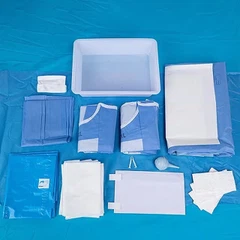



As a seasoned supplier of surgical packs, I've witnessed firsthand the critical role these products play in ensuring patient safety during surgical procedures. In this blog, I'll delve into the various safety features that make surgical packs an indispensable part of the operating room.
Sterility Assurance
One of the most fundamental safety features of surgical packs is their sterility. Surgical packs are designed to be free from all living microorganisms, including bacteria, viruses, and fungi. This is achieved through a rigorous sterilization process, which typically involves the use of steam, ethylene oxide, or gamma radiation.
Steam sterilization, also known as autoclaving, is the most common method used to sterilize surgical packs. It involves subjecting the packs to high-pressure steam at a temperature of 121°C (250°F) for a specified period of time. This process effectively kills all microorganisms, ensuring that the packs are safe for use in the operating room.
Ethylene oxide sterilization is another method used to sterilize surgical packs. This method is particularly useful for sterilizing heat-sensitive materials, such as plastics and rubber. Ethylene oxide is a highly effective sterilant that can penetrate deep into the materials of the surgical pack, killing all microorganisms.
Gamma radiation sterilization is a third method used to sterilize surgical packs. This method involves exposing the packs to high-energy gamma rays, which effectively kill all microorganisms. Gamma radiation sterilization is particularly useful for sterilizing large quantities of surgical packs, as it can be done quickly and efficiently.
To ensure the sterility of surgical packs, they are typically packaged in a sealed, sterile container. This container is designed to prevent the entry of microorganisms, ensuring that the packs remain sterile until they are opened in the operating room.


Barrier Protection
Another important safety feature of surgical packs is their ability to provide barrier protection. Surgical packs typically include a variety of items, such as drapes, gowns, and gloves, which are designed to create a barrier between the patient and the surgical team.
Surgical drapes are large, sterile sheets that are placed over the patient to cover the surgical site. They are designed to prevent the spread of microorganisms from the patient's skin to the surgical site, as well as from the surgical site to the surrounding environment.
Surgical gowns are worn by the surgical team to protect them from exposure to microorganisms. They are typically made of a breathable, fluid-resistant material that provides a barrier between the surgical team and the patient.
Surgical gloves are worn by the surgical team to protect their hands from exposure to microorganisms. They are typically made of a latex or synthetic material that provides a barrier between the surgical team's hands and the patient.
In addition to providing barrier protection, surgical packs also typically include a variety of other items, such as masks, caps, and shoe covers, which are designed to further reduce the risk of infection.
Instrument Compatibility
Surgical packs also typically include a variety of instruments, such as scalpels, forceps, and scissors, which are designed to be used during the surgical procedure. To ensure the safety of the patient, these instruments must be compatible with the surgical pack and the surgical procedure.
Surgical instruments are typically made of high-quality materials, such as stainless steel or titanium, which are designed to be durable and resistant to corrosion. They are also typically sterilized using one of the methods described above, ensuring that they are safe for use in the operating room.
To ensure the compatibility of surgical instruments with the surgical pack and the surgical procedure, they are typically selected based on the specific needs of the patient and the surgical procedure. For example, a surgical pack for a cardiac surgery may include different instruments than a surgical pack for a dental surgery.
Quality Control
To ensure the safety and effectiveness of surgical packs, they are typically subject to a rigorous quality control process. This process typically includes a variety of tests and inspections, which are designed to ensure that the surgical packs meet the highest standards of quality and safety.
Quality control tests may include tests for sterility, barrier protection, instrument compatibility, and durability. These tests are typically conducted by independent laboratories, which are accredited by a recognized organization, such as the International Organization for Standardization (ISO).
In addition to quality control tests, surgical packs are also typically subject to a variety of inspections. These inspections may include visual inspections, physical inspections, and functional inspections. Visual inspections are designed to ensure that the surgical packs are free from defects, such as tears, holes, or stains. Physical inspections are designed to ensure that the surgical packs meet the specified dimensions and weight requirements. Functional inspections are designed to ensure that the surgical packs perform as intended, such as providing adequate barrier protection or instrument compatibility.
Types of Surgical Packs and Their Features
There are different types of surgical packs available in the market, each designed for specific surgical procedures. Let's take a look at some common types and their unique safety features.
Disposable Eye Surgical Pack
The Disposable Eye Surgical Pack is specifically tailored for eye surgeries. It includes specialized drapes that are designed to fit the contours of the eye area precisely. These drapes are made of a soft, non - abrasive material to prevent irritation to the delicate eye tissues. The pack also contains eye shields, which provide an additional layer of protection to the patient's eyes during the surgery. The instruments in this pack are finely crafted to ensure precise manipulation in the small and sensitive eye area, reducing the risk of accidental damage.
Disposable Basic Surgical Pack
The Disposable Basic Surgical Pack is a versatile pack suitable for a wide range of minor surgical procedures. It comes with a comprehensive set of basic instruments, including scalpels, forceps, and hemostats. The drapes and gowns in this pack are made of a lightweight yet durable material that provides excellent fluid resistance. This helps in preventing the transmission of body fluids between the patient and the surgical team, reducing the risk of cross - contamination.
Disposable Laparotomy Surgical Pack
The Disposable Laparotomy Surgical Pack is designed for abdominal surgeries. It includes large, heavy - duty drapes that can cover the entire abdominal area. These drapes have reinforced edges to prevent tearing during the surgical procedure. The pack also contains specialized instruments for abdominal surgery, such as retractors and laparoscopes. The laparoscopes are equipped with high - resolution cameras and lighting systems, which allow for clear visualization of the internal organs, enhancing the safety and precision of the surgery.
Conclusion
In conclusion, surgical packs are an essential part of the operating room, providing a variety of safety features that help to ensure the safety and well - being of patients during surgical procedures. From sterility assurance to barrier protection, instrument compatibility, and quality control, surgical packs are designed to meet the highest standards of quality and safety.
If you're in the market for high - quality surgical packs, I encourage you to reach out to discuss your specific needs. Whether you're a hospital, a surgical center, or a medical supply distributor, we can provide you with the surgical packs you need to ensure the safety of your patients. Contact us today to start a procurement discussion and find the best surgical pack solutions for your facility.
References
- Association for the Advancement of Medical Instrumentation (AAMI). (Year). Standards for surgical pack sterilization and quality control.
- Centers for Disease Control and Prevention (CDC). (Year). Guidelines for preventing surgical site infections.
- International Organization for Standardization (ISO). (Year). Standards for medical devices, including surgical packs.