











Aprons in roll are a practical and convenient solution for various industries, offering a continuous supply of protective aprons that can be easily dispensed as needed. As a leading supplier of aprons in roll, I often get asked about the materials these aprons are typically made of. In this blog post, I'll explore the common materials used in the production of aprons in roll, their properties, and the applications they are best suited for.
Polyvinyl Chloride (PVC)
PVC is a widely used material for aprons in roll due to its excellent chemical resistance, durability, and flexibility. PVC aprons are available in a range of thicknesses, from thin and lightweight options for general-purpose use to thicker, more heavy-duty versions for applications requiring enhanced protection against chemicals, oils, and other hazardous substances.
One of the key advantages of PVC aprons is their resistance to a wide range of chemicals, including acids, alkalis, and solvents. This makes them ideal for use in industries such as chemical manufacturing, laboratory work, and food processing, where workers may come into contact with potentially harmful substances. PVC aprons are also waterproof, making them suitable for use in wet environments or where liquids need to be contained.
In addition to their chemical resistance, PVC aprons are highly durable and can withstand repeated use and cleaning. They are resistant to tearing and abrasion, ensuring long-lasting performance even in demanding work environments. PVC aprons are also easy to clean, typically requiring only a simple wipe-down with a damp cloth or mild detergent.
PVC Apron is available in a variety of colors and styles, allowing for customization to meet specific industry requirements or branding needs. They can be printed with logos, safety messages, or other information, providing a professional and informative appearance.
High-Density Polyethylene (HDPE)
HDPE is another popular material for aprons in roll, known for its strength, durability, and resistance to moisture and chemicals. HDPE aprons are typically lightweight and flexible, making them comfortable to wear for extended periods of time.
One of the main advantages of HDPE aprons is their high strength-to-weight ratio. They are resistant to tearing and punctures, providing reliable protection in industrial and agricultural settings. HDPE aprons are also resistant to moisture, making them suitable for use in wet or humid environments.
HDPE aprons are often used in industries such as agriculture, construction, and waste management, where workers need protection against dirt, debris, and moisture. They are also commonly used in food processing and handling applications, as HDPE is a food-safe material that meets strict hygiene standards.
HDPE Apron is available in a range of thicknesses and colors, allowing for customization based on specific application requirements. They can be easily cut to size and are often sold in rolls for convenient dispensing.
Nonwoven Materials
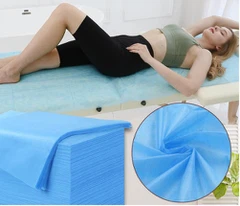
Nonwoven materials are a versatile option for aprons in roll, offering a combination of comfort, breathability, and protection. Nonwoven aprons are typically made from synthetic fibers such as polypropylene, which are bonded together using heat, chemicals, or mechanical processes.
One of the key advantages of nonwoven aprons is their breathability. They allow air to circulate, reducing the risk of heat buildup and discomfort during extended use. Nonwoven aprons are also lightweight and flexible, making them comfortable to wear and easy to move around in.
Nonwoven aprons are commonly used in industries such as healthcare, hospitality, and food service, where workers need protection against contaminants while maintaining a high level of comfort. They are also often used in cleanroom environments, as nonwoven materials are low-linting and can help prevent the spread of particles.

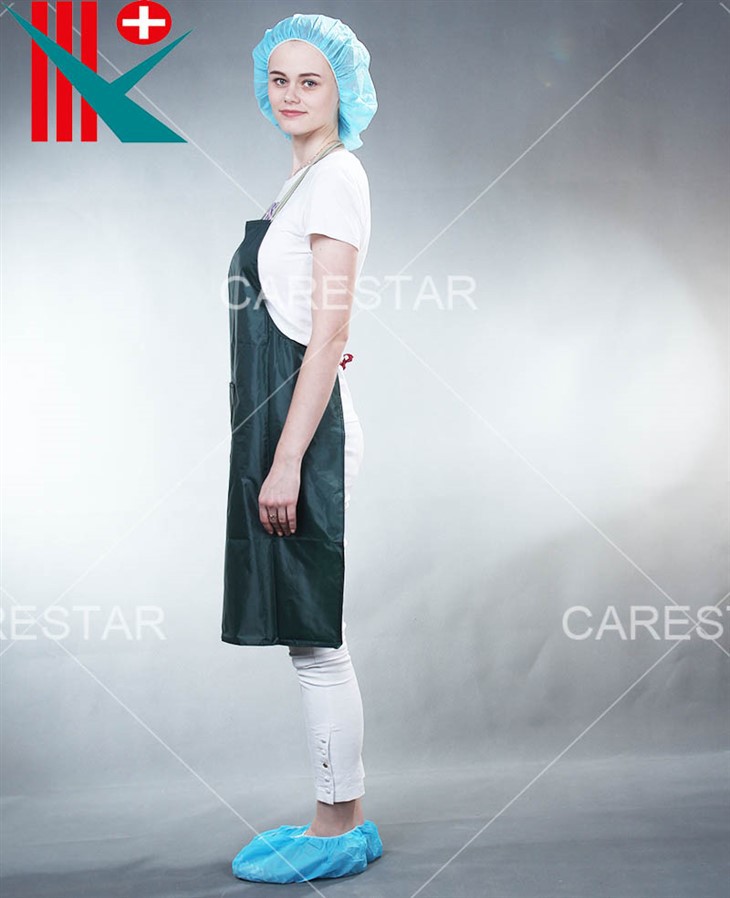
Nonwoven Apron is available in a variety of styles and weights, including disposable and reusable options. Disposable nonwoven aprons are convenient for single-use applications, while reusable nonwoven aprons can be laundered and reused multiple times, providing a cost-effective and environmentally friendly solution.
Choosing the Right Material
When choosing the material for aprons in roll, it's important to consider the specific requirements of the application. Factors such as the type of hazards present, the level of protection needed, the comfort and durability requirements, and the budget should all be taken into account.
For applications where chemical resistance is a primary concern, PVC aprons are often the best choice. They offer excellent protection against a wide range of chemicals and are highly durable. HDPE aprons are a good option for applications where strength and moisture resistance are important, such as in agriculture and construction. Nonwoven aprons are ideal for applications where comfort and breathability are key, such as in healthcare and food service.
In addition to the material, it's also important to consider the quality and construction of the aprons. Look for aprons that are well-made, with strong seams and durable fasteners. Consider the size and fit of the aprons, as well as any additional features such as pockets or adjustable straps.
Conclusion
Aprons in roll are a practical and cost-effective solution for providing protective clothing in a variety of industries. By understanding the different materials used in their production and their properties, you can choose the right aprons for your specific application. Whether you need protection against chemicals, moisture, or contaminants, there is a material that will meet your needs.
As a supplier of aprons in roll, I am committed to providing high-quality products that offer reliable protection and comfort. If you have any questions or need assistance in choosing the right aprons for your business, please don't hesitate to contact me. I would be happy to discuss your requirements and provide you with a customized solution.
References
- "Polyvinyl Chloride (PVC) - Properties, Applications, and Recycling." PlasticsEurope, 2023.
- "High-Density Polyethylene (HDPE) - A Versatile Plastic." The American Chemistry Council, 2023.
- "Nonwoven Fabrics - An Introduction." INDA, 2023.