











Hey there! As a wipes supplier, I'm super excited to take you behind the scenes and share the manufacturing process of wipes. It's a fascinating journey from raw materials to the handy products we use every day.
Step 1: Selecting the Raw Materials
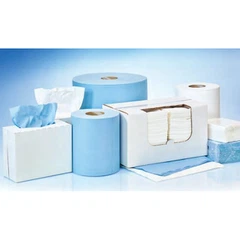
The first step in making wipes is choosing the right raw materials. The main component of wipes is the substrate, which can be made from various materials like non - woven fabrics, cotton, or a blend of different fibers. Non - woven fabrics are a popular choice because they are cost - effective, absorbent, and can be easily customized.
We source high - quality non - woven materials from reliable suppliers. These materials come in large rolls, and the quality is crucial as it directly affects the performance of the final wipe. For example, if we're making Disposable Portable Wiper, we need a substrate that is soft, lightweight, and easy to carry.
In addition to the substrate, we also need the solution that will be soaked into the wipes. This solution can vary depending on the type of wipes. For cleaning wipes, it might contain detergents, disinfectants, and water. For baby wipes, the solution is usually gentle, with ingredients like aloe vera and chamomile to soothe the baby's skin.
Step 2: Cutting the Substrate
Once we have the raw materials, the next step is to cut the substrate into the desired size and shape. We use specialized cutting machines that can cut the large rolls of non - woven fabric into individual wipe pieces. These machines are highly precise and can cut thousands of wipes per minute.
The size of the wipes is determined by their intended use. For example, Industrial Light Duty Wiper might be larger in size to cover more surface area during cleaning in industrial settings. On the other hand, travel wipes or pocket - sized wipes are smaller and more compact for easy portability.
Step 3: Printing and Embossing (Optional)
Some wipes go through an additional step of printing and embossing. Printing can be used to add brand logos, instructions, or decorative elements to the wipes. It gives the wipes a more professional and appealing look.
Embossing, on the other hand, creates a textured pattern on the surface of the wipes. This texture can enhance the cleaning ability of the wipes by providing more friction. For example, a textured embossed pattern on a Disposable Cleanroom Wiper can help to trap dust and particles more effectively in a cleanroom environment.
Step 4: Applying the Solution
After cutting and, if applicable, printing and embossing, it's time to apply the solution to the wipes. The wipes are passed through a series of rollers that dip them into a tank filled with the solution. The rollers ensure that the wipes are evenly saturated with the solution.


The amount of solution applied is carefully controlled. Too little solution, and the wipes won't be effective. Too much, and the wipes will be dripping wet and difficult to use. We use advanced sensors and control systems to make sure the right amount of solution is applied to each wipe.
Step 5: Folding and Packaging
Once the wipes are saturated with the solution, they are folded into the appropriate shape. There are different folding methods, such as C - folding, Z - folding, or V - folding. The folding method depends on the type of packaging and the convenience of use.
After folding, the wipes are packed into containers. The packaging can be in the form of plastic tubs, resealable packets, or canisters. The packaging is designed to keep the wipes moist and protected from contamination. It also usually has a dispensing opening that allows for easy access to the wipes.
Quality Control
Throughout the manufacturing process, quality control is of utmost importance. We have a team of quality control experts who conduct regular inspections at every stage. They check the quality of the raw materials, the accuracy of the cutting and printing, the saturation level of the solution, and the integrity of the packaging.
Samples of the finished wipes are also tested for various properties, such as absorbency, strength, and the effectiveness of the solution. For example, if we're making disinfectant wipes, we test them to ensure that they can kill the targeted bacteria and viruses.
Innovation in Wipe Manufacturing
The world of wipe manufacturing is constantly evolving. We're always looking for new ways to improve the quality, performance, and sustainability of our wipes. For example, we're exploring the use of more eco - friendly materials and solutions. Biodegradable non - woven fabrics and natural disinfectants are becoming more popular as consumers are becoming more environmentally conscious.
We're also working on developing new types of wipes to meet the changing needs of our customers. For instance, there's a growing demand for wipes that can be used for specific purposes, like electronic device cleaning wipes or wipes for removing makeup.
Conclusion
So, that's the manufacturing process of wipes in a nutshell. It's a complex but well - organized process that involves multiple steps to ensure that we deliver high - quality wipes to our customers. Whether you need Disposable Portable Wiper for your daily on - the - go needs, Industrial Light Duty Wiper for your industrial cleaning, or Disposable Cleanroom Wiper for a clean and sterile environment, we've got you covered.
If you're interested in purchasing our wipes or have any questions about our products, don't hesitate to reach out. We're always happy to have a chat and discuss your specific requirements. Let's work together to find the perfect wipe solution for you!
References
- "Non - Woven Fabrics: Science and Technology" by David L. Kaplan
- "Handbook of Disinfection and Sterilization" by Seymour S. Block