











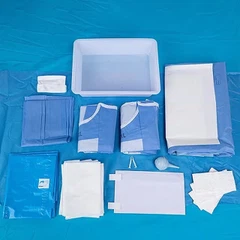



When it comes to surgical procedures, the durability of the instruments in a surgical pack is of utmost importance. As a surgical pack supplier, I have witnessed firsthand the critical role that durable instruments play in ensuring the success and safety of surgeries. In this blog post, I will delve into the concept of instrument durability in surgical packs, exploring what it means, why it matters, and how we as a supplier ensure the highest standards of durability in our products.
Understanding Instrument Durability
Durability, in the context of surgical instruments, refers to the ability of these tools to withstand the rigors of repeated use, sterilization, and various surgical environments without significant degradation in performance. A durable surgical instrument maintains its structural integrity, sharpness, and functionality over time, providing reliable service throughout its lifespan.
Several factors contribute to the durability of surgical instruments. Material quality is perhaps the most fundamental aspect. High - grade stainless steel, for example, is a common choice for surgical instruments due to its corrosion resistance, strength, and ability to hold a sharp edge. Titanium is another material that offers excellent strength - to - weight ratio and biocompatibility, making it suitable for certain types of surgical applications.
The manufacturing process also plays a crucial role. Precision machining, heat treatment, and proper finishing techniques ensure that the instruments are well - crafted and can withstand the stresses of surgical use. For instance, a well - heat - treated instrument will have the right balance of hardness and toughness, preventing it from becoming brittle or easily deformed.
Why Durability Matters in Surgical Packs
The durability of instruments in a surgical pack has far - reaching implications for patient safety, surgical efficiency, and cost - effectiveness.
Patient Safety
In a surgical setting, any failure or malfunction of an instrument can have serious consequences for the patient. A dull scalpel may cause unnecessary tissue damage, leading to increased bleeding, longer healing times, and a higher risk of infection. Similarly, a loose or broken forceps may not be able to grasp tissues securely, potentially causing complications during the procedure. Durable instruments reduce the likelihood of such failures, ensuring that the surgical team can perform the procedure with precision and confidence.
Surgical Efficiency
Durable instruments are more reliable and consistent in their performance. Surgeons can rely on them to function as intended, which streamlines the surgical process. This means less time spent dealing with instrument - related issues and more time focused on the actual surgery. For example, a high - quality suture needle that maintains its sharpness throughout the suturing process allows for quicker and more accurate wound closure.
Cost - Effectiveness
While high - quality, durable instruments may have a higher upfront cost, they offer long - term savings. They require less frequent replacement, reducing the overall cost of surgical supplies over time. Additionally, the reduced risk of complications associated with durable instruments can lead to lower healthcare costs in terms of post - operative care and treatment.
Ensuring Durability in Our Surgical Packs
As a surgical pack supplier, we are committed to providing our customers with surgical packs that contain instruments of the highest durability.
Material Selection
We source our materials from trusted suppliers who adhere to strict quality standards. Our stainless steel instruments are made from high - grade alloys that offer excellent corrosion resistance and mechanical properties. We also carefully evaluate the suitability of other materials, such as plastics and polymers, for non - metallic components in our surgical packs.
Quality Control
Our manufacturing facilities are equipped with state - of the - art quality control systems. Every instrument undergoes a series of rigorous inspections and tests before it is included in a surgical pack. These tests include checks for dimensional accuracy, sharpness, strength, and functionality. For example, we use specialized equipment to measure the sharpness of scalpels and the gripping force of forceps.

Sterilization Compatibility
Surgical instruments need to be sterilized between uses to prevent the spread of infection. Our instruments are designed to withstand multiple cycles of sterilization, whether it is through autoclaving, chemical sterilization, or other methods. We ensure that the materials and finishes used in our instruments are resistant to the effects of sterilization agents and high - temperature environments.
Types of Surgical Packs and Instrument Durability
Let's take a look at some specific types of surgical packs and how instrument durability is relevant in each case.
Disposable Laparotomy Surgical Pack
A laparotomy is a major surgical procedure that involves making an incision in the abdomen to access the abdominal organs. The instruments in a disposable laparotomy surgical pack, such as scalpels, retractors, and forceps, need to be durable enough to handle the demands of this complex procedure. The retractors, for example, must be able to hold the abdominal wall open for an extended period without losing their shape or strength.
Disposable Eye Surgical Pack
Eye surgery requires a high level of precision, and the instruments in a disposable eye surgical pack must be extremely durable and reliable. The delicate nature of the eye tissues means that even the slightest instrument malfunction can cause irreversible damage. Instruments like micro - forceps and needles need to be sharp and precise, and they must maintain their performance throughout the procedure.
Disposable Orthopedic Surgical Pack
Orthopedic surgeries often involve cutting, drilling, and manipulating bone and joint tissues. The instruments in a disposable orthopedic surgical pack, such as saws, drills, and bone forceps, are subjected to high levels of stress. Durable instruments in this pack can withstand the forces involved in orthopedic procedures, ensuring accurate bone cutting and proper fixation of implants.
Our Commitment to Continuous Improvement
We understand that the field of surgery is constantly evolving, and so are the requirements for surgical instruments. That's why we are committed to continuous improvement in terms of instrument durability.
We stay updated with the latest advancements in materials science and manufacturing technology. By investing in research and development, we are able to incorporate new materials and techniques into our products, further enhancing their durability. We also actively seek feedback from surgeons and other healthcare professionals to understand their real - world experiences with our instruments and identify areas for improvement.
Contact Us for Your Surgical Pack Needs
If you are in the market for high - quality surgical packs with durable instruments, we would love to hear from you. Our team of experts can provide you with detailed information about our products, answer your questions, and help you select the right surgical packs for your specific needs. Whether you are a hospital, a surgical center, or a healthcare provider, we are dedicated to providing you with the best possible solutions. Contact us today to start a discussion about your surgical pack requirements and explore how our durable instruments can benefit your surgical practice.
References
- Smith, J. D., & Johnson, A. B. (2018). The Importance of Instrument Durability in Surgical Procedures. Journal of Surgical Innovation, 25(3), 189 - 195.
- Brown, C. E., & Davis, R. F. (2019). Advances in Surgical Instrument Manufacturing for Improved Durability. International Journal of Medical Devices, 12, 23 - 31.
- Miller, G. H., & Wilson, K. L. (2020). Patient Safety and Instrument Durability in Surgical Settings. Healthcare Quality Management, 28(2), 45 - 52.