











Chemical compatibility is a crucial factor to consider when using vinyl gloves with common household cleaners. As a vinyl glove supplier, I understand the importance of providing information to our customers about how our gloves interact with various cleaning agents. This knowledge not only ensures the safety of users but also helps in making informed decisions about glove selection for different cleaning tasks.
Understanding Vinyl Gloves
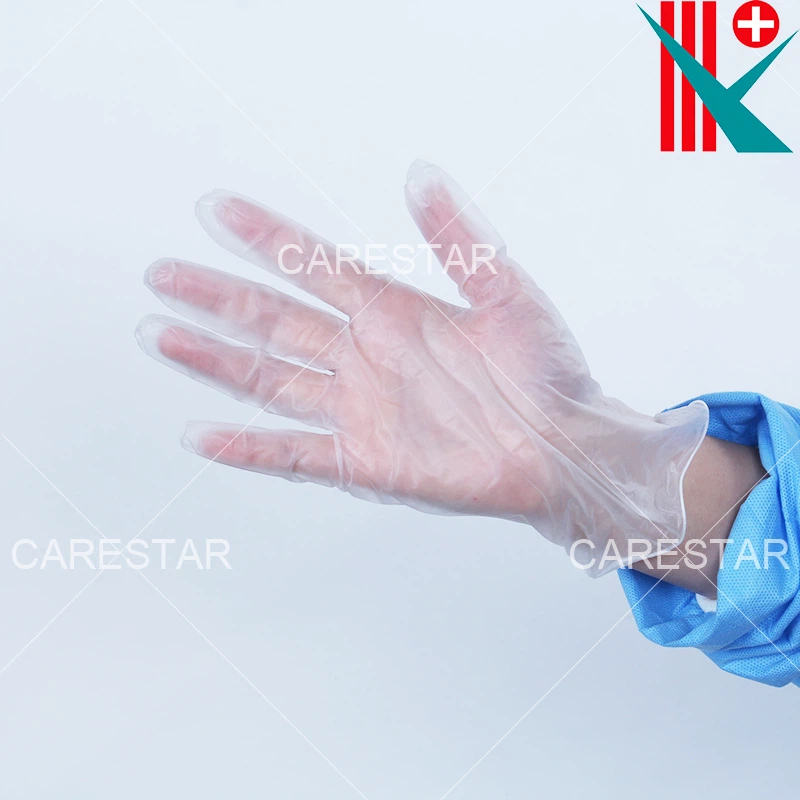
Vinyl gloves are a popular choice for household cleaning due to their affordability, comfort, and availability. They are made from polyvinyl chloride (PVC), a synthetic polymer that offers a certain level of protection against a wide range of substances. Vinyl gloves are typically disposable, which makes them convenient for single - use applications, reducing the risk of cross - contamination.
Vinyl gloves have a smooth texture and are often powder - free, which is beneficial for those with sensitivity to powder. They are also resistant to some mild chemicals and provide a physical barrier between the skin and cleaning agents. However, their chemical resistance is not as high as that of some other glove materials, such as nitrile or neoprene.
Common Household Cleaners and Their Chemical Composition
Household cleaners come in various forms and compositions, each designed to tackle specific cleaning tasks. Here are some common types of household cleaners and their main chemical components:
All - Purpose Cleaners
All - purpose cleaners are versatile products used for general cleaning on multiple surfaces. They usually contain a combination of surfactants, solvents, and water. Surfactants help to break down dirt and grease, while solvents can dissolve stubborn stains. Common solvents in all - purpose cleaners include isopropyl alcohol and glycol ethers.
Disinfectants
Disinfectants are used to kill bacteria, viruses, and other microorganisms on surfaces. Many disinfectants contain active ingredients such as bleach (sodium hypochlorite), hydrogen peroxide, or quaternary ammonium compounds. Bleach is a powerful oxidizing agent that can effectively disinfect surfaces but is also highly corrosive.
Glass Cleaners
Glass cleaners are formulated to clean glass surfaces without leaving streaks. They typically contain ammonia, isopropyl alcohol, and water. Ammonia helps to dissolve dirt and grime on glass, while alcohol evaporates quickly, leaving a clean and clear surface.
Oven Cleaners
Oven cleaners are designed to remove tough grease and baked - on food residues from ovens. They often contain strong alkalis, such as sodium hydroxide or potassium hydroxide, which can break down organic matter. These alkalis are highly caustic and can cause severe skin burns if not handled properly.
Chemical Compatibility of Vinyl Gloves with Household Cleaners
All - Purpose Cleaners
Vinyl gloves generally have good compatibility with most all - purpose cleaners. The surfactants and mild solvents in these cleaners do not typically cause significant damage to the vinyl material. However, prolonged or repeated exposure to some solvents, especially in high concentrations, may cause the gloves to become brittle or lose their flexibility over time.
If you are using an all - purpose cleaner with a high alcohol content, it is advisable to check the glove's resistance. Some vinyl gloves may be more resistant to alcohol than others. In general, short - term use of all - purpose cleaners with vinyl gloves is safe, but if you are doing extensive cleaning, it may be a good idea to change gloves regularly.
Disinfectants
When it comes to disinfectants, the compatibility of vinyl gloves depends on the active ingredient. Vinyl gloves have limited resistance to bleach. Bleach can react with the PVC in vinyl gloves, causing them to discolor, become brittle, and eventually break down. Prolonged exposure to bleach can also lead to the release of harmful chemicals from the glove material.
Hydrogen peroxide - based disinfectants are generally less aggressive towards vinyl gloves. However, high - concentration hydrogen peroxide solutions may still cause some damage over time. Quaternary ammonium compounds are relatively mild and are less likely to cause significant damage to vinyl gloves.
Glass Cleaners
Vinyl gloves are usually compatible with glass cleaners. The ammonia and isopropyl alcohol in glass cleaners do not typically cause major problems for vinyl gloves. However, if the glass cleaner has a high ammonia concentration, it may cause the gloves to become stiffer over time. It is still important to follow proper safety procedures and change gloves if they show signs of wear or damage.
Oven Cleaners
Vinyl gloves are not recommended for use with oven cleaners. The strong alkalis in oven cleaners can quickly degrade the vinyl material, causing it to dissolve or break apart. This can expose the skin to the highly caustic chemicals in the oven cleaner, leading to serious burns and injuries. For oven cleaning, it is essential to use gloves made from a more chemically resistant material, such as nitrile or neoprene.
Factors Affecting Chemical Compatibility
Several factors can affect the chemical compatibility of vinyl gloves with household cleaners:
Concentration of the Cleaning Agent
Higher concentrations of chemicals in cleaning agents are more likely to cause damage to vinyl gloves. For example, a highly concentrated bleach solution will have a more severe impact on vinyl gloves than a diluted one.
Duration of Exposure
The longer the vinyl gloves are exposed to a cleaning agent, the greater the chance of damage. Short - term exposure may not cause significant problems, but prolonged or repeated exposure can lead to degradation of the glove material.
Temperature
Higher temperatures can accelerate the chemical reactions between the cleaning agent and the vinyl gloves. For example, using hot water with a cleaning agent may increase the rate at which the glove material is damaged.

Importance of Chemical Compatibility in Glove Selection
Selecting the right gloves based on chemical compatibility is essential for ensuring the safety of users. Using gloves that are not compatible with a cleaning agent can lead to glove failure, which exposes the skin to harmful chemicals. This can result in skin irritation, burns, allergic reactions, and other health problems.
As a vinyl glove supplier, we recommend that our customers carefully read the labels of cleaning products and consult our glove compatibility charts. We also offer a range of gloves with different levels of chemical resistance to meet the diverse needs of our customers.
Vinyl Gloves for Household Cleaning
Our vinyl gloves are designed to provide a basic level of protection for common household cleaning tasks. They are made from high - quality PVC material and are rigorously tested to ensure their performance. While they may not be suitable for all types of cleaning agents, they are a cost - effective option for many everyday cleaning jobs.
We understand that different customers have different requirements, and we are committed to providing the best possible advice on glove selection. Whether you are cleaning your kitchen, bathroom, or living room, we can help you choose the right vinyl gloves for the job.
Contact Us for Procurement
If you are interested in purchasing our vinyl gloves for your household cleaning needs or for commercial use, we invite you to contact us for a procurement discussion. Our team of experts is ready to assist you in selecting the right gloves based on your specific requirements. We can also provide you with detailed information about our products, including their chemical compatibility and performance.
References
- "Hand Protection Guide" by the Occupational Safety and Health Administration (OSHA)
- "Chemical Resistance of Gloves" by the American National Standards Institute (ANSI)
- Product data sheets of common household cleaners
- Research papers on the chemical properties of polyvinyl chloride and its interaction with cleaning agents