










What is the best material for a raincoat? This is a question that has puzzled many consumers and professionals in the rainwear industry alike. As a raincoat supplier, I've had the opportunity to work with a wide range of materials, each with its own set of advantages and disadvantages. In this blog post, I'll share my insights on the various materials used in raincoats and help you determine which one might be the best fit for your needs.
Polyester
Polyester is one of the most commonly used materials in raincoats. It is lightweight, durable, and relatively inexpensive. Polyester raincoats are often treated with a water - repellent finish, which helps to keep the wearer dry by causing water to bead up and roll off the surface.
One of the key benefits of polyester is its breathability. It allows air to circulate through the fabric, which can prevent the build - up of sweat and moisture inside the raincoat. This makes it a great choice for activities where you'll be moving around a lot, such as hiking or cycling.
However, polyester's water - repellent finish can wear off over time, especially with frequent washing and exposure to harsh conditions. When this happens, the raincoat may start to absorb water rather than repel it. To maintain its water - repellency, you may need to re - apply a water - proofing treatment periodically.
Nylon
Nylon is another popular material for raincoats. It is known for its strength and abrasion resistance, making it a good choice for outdoor activities where the raincoat may be subject to rough handling. Nylon raincoats are also lightweight and packable, which is convenient for travel.
Like polyester, nylon can be treated with a water - repellent coating. Some high - end nylon raincoats use a more advanced technology called Gore - Tex. Gore - Tex is a membrane that is laminated to the nylon fabric. It is both waterproof and breathable, allowing sweat vapor to escape while keeping water out.


The main drawback of nylon is that it can be more expensive than polyester, especially when it is combined with advanced waterproofing technologies like Gore - Tex. Additionally, some people may find that nylon raincoats feel a bit noisy when they move, due to the nature of the fabric.
PVC
Polyvinyl chloride (PVC) is a synthetic plastic material that has been used in raincoats for many years. PVC raincoats are completely waterproof and are often very affordable. They are also easy to clean, as you can simply wipe them down with a damp cloth.
PVC raincoats are commonly used in industrial settings, such as construction and farming, where workers need to be protected from heavy rain and wet conditions. They are also popular as disposable raincoats for events like music festivals or outdoor sports games. You can find a variety of Disposable Waterproof Raincoat options on our website.
However, PVC has some environmental and health concerns. It is not biodegradable, and the production of PVC can release harmful chemicals into the environment. Additionally, PVC raincoats can be quite stiff and heavy, which may not be comfortable for long - term wear.
Polyethylene (PE)
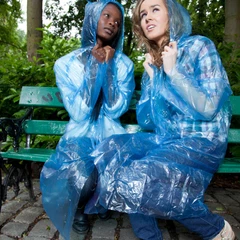
Polyethylene is a type of plastic that is often used to make disposable raincoats and ponchos. Disposable PE Poncho is a common product in this category. PE is lightweight, waterproof, and very inexpensive. It is a great option for short - term use, such as a sudden downpour during a day out.
Disposable PE raincoats are easy to carry around, as they can be folded up into a small size. They are also available in a variety of bright colors, which can make you more visible in low - light conditions.
The main limitation of PE raincoats is their durability. They are not designed to last for a long time and may tear easily if they are not handled carefully. Once they are damaged, they are typically thrown away, which can contribute to waste.
Cotton
Cotton is a natural fiber that is soft and breathable. While pure cotton is not waterproof, it can be treated to make it water - resistant. Cotton raincoats are often more comfortable to wear than those made from synthetic materials, especially in warm weather.
Cotton raincoats are a good choice for casual wear and light rain. They have a more natural look and feel, which can be appealing to some consumers. However, they are not as waterproof as raincoats made from synthetic materials, and they may take longer to dry if they get wet.
Choosing the Best Material for Your Raincoat
When choosing the best material for a raincoat, you need to consider several factors, including your budget, the intended use of the raincoat, and your personal preferences.
If you are on a tight budget and need a raincoat for occasional use in light rain, a disposable Disposable Raincoat made from PE or PVC may be the best option. These raincoats are inexpensive and can get you through a short period of wet weather.
For more frequent use and in harsher conditions, a raincoat made from polyester or nylon may be a better choice. These materials offer a good balance of durability, breathability, and water - repellency. If you are willing to spend more for a high - performance raincoat, consider one with a Gore - Tex membrane.
If you prioritize comfort and a natural look, a cotton raincoat may be suitable for you, but keep in mind that it may not provide the same level of waterproofing as synthetic materials.
Conclusion
In conclusion, there is no one - size - fits - all answer to the question of what is the best material for a raincoat. Each material has its own unique properties and is better suited for different situations. As a raincoat supplier, I can offer a wide range of raincoats made from various materials to meet the diverse needs of our customers.
Whether you are an outdoor enthusiast, a worker in a wet environment, or simply looking for a reliable raincoat for everyday use, we have the right product for you. If you are interested in purchasing raincoats for your business or personal use, I encourage you to contact us for a detailed discussion about your requirements. We can provide you with samples, pricing information, and advice on the best material for your specific needs.
References
- "Textiles for Outdoor Apparel" by Mary Jo McClintock
- "The Science of Rainwear" by Outdoor Gear Lab