











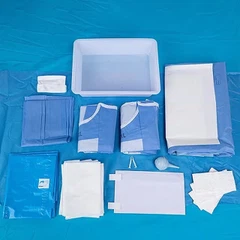



Hey there! As a supplier of surgical packs, I've seen firsthand how crucial proper training is when it comes to using these essential medical tools. In this blog, I'm gonna break down the training requirements for using a surgical pack, so you can ensure a smooth and safe surgical process.
Understanding the Basics of Surgical Packs
Before we dive into the training requirements, let's quickly go over what a surgical pack is. A surgical pack is a collection of sterile instruments, supplies, and drapes that are used during surgical procedures. These packs are designed to provide everything a surgical team needs in one convenient package, reducing the risk of contamination and ensuring that all necessary items are readily available.
We offer a variety of surgical packs, including the Disposable Eye Surgical Pack, Disposable Laparotomy Surgical Pack, and Disposable Basic Surgical Pack. Each pack is tailored to specific surgical procedures, so it's important to choose the right one for your needs.
Training Requirements for Using a Surgical Pack
1. Sterilization and Handling Procedures
One of the most important aspects of using a surgical pack is ensuring that it remains sterile throughout the entire surgical process. This means following strict sterilization and handling procedures. Training should cover how to properly open and handle the surgical pack to prevent contamination. For example, surgical team members should be taught to wear sterile gloves and gowns when handling the pack, and to avoid touching non-sterile surfaces.
They also need to understand the importance of maintaining a sterile field during the procedure. This includes keeping the surgical pack and all instruments within the sterile area, and preventing any non-sterile objects from coming into contact with the pack. Training should include practical demonstrations of how to set up and maintain a sterile field, as well as how to recognize and address any breaches in sterility.
2. Instrument Identification and Use
Another key training requirement is instrument identification and use. Surgical packs contain a variety of instruments, each with its own specific function. Team members need to be able to identify each instrument and know how to use it correctly. This includes understanding the proper technique for holding and manipulating the instruments, as well as how to clean and maintain them after use.
Training should include detailed descriptions and demonstrations of each instrument in the surgical pack. It's also a good idea to provide hands-on practice sessions, where team members can familiarize themselves with the instruments and practice using them in a simulated surgical environment. This will help them gain confidence and proficiency in using the instruments during actual surgical procedures.
3. Surgical Procedure Knowledge
In addition to sterilization and instrument use, training should also cover the specific surgical procedure for which the surgical pack is being used. Team members need to understand the steps of the procedure, as well as the role that the surgical pack plays in each step. This includes knowing when and how to use the various instruments and supplies in the pack, and how to anticipate the needs of the surgical team during the procedure.
Training can include lectures, videos, and case studies to help team members understand the surgical procedure. It's also beneficial to provide opportunities for team members to observe actual surgical procedures, so they can see how the surgical pack is used in a real-world setting. This will help them better understand the practical application of the training and improve their ability to perform their roles effectively during surgery.
4. Emergency Procedures
No matter how well-prepared a surgical team is, emergencies can still occur during a surgical procedure. That's why it's important to include training on emergency procedures in the training program for using a surgical pack. Team members need to know how to respond quickly and effectively in case of an emergency, such as a sudden loss of sterility, an instrument malfunction, or a patient complication.
Training should cover common emergency scenarios and the appropriate steps to take in each situation. This includes how to quickly replace a contaminated instrument or supply, how to troubleshoot instrument malfunctions, and how to provide immediate medical assistance to the patient. It's also important to conduct regular emergency drills to ensure that team members are prepared to respond effectively in a real emergency.
Ongoing Training and Education
Using a surgical pack is not a one-time learning experience. It requires ongoing training and education to keep up with the latest techniques, technologies, and best practices. As a surgical pack supplier, we recommend that healthcare facilities provide regular refresher courses and continuing education opportunities for their surgical teams.


These courses can cover new developments in surgical pack design and technology, as well as updates to sterilization and handling procedures. They can also provide an opportunity for team members to share their experiences and learn from each other. By investing in ongoing training and education, healthcare facilities can ensure that their surgical teams are well-prepared and equipped to provide the highest quality of care to their patients.
Why Choose Our Surgical Packs?
At our company, we take pride in providing high-quality surgical packs that meet the highest standards of safety and performance. Our packs are designed and manufactured using the latest technology and materials, and they are rigorously tested to ensure their sterility and reliability.
In addition to our high-quality products, we also offer comprehensive training and support to our customers. We understand that proper training is essential for the safe and effective use of our surgical packs, so we work closely with healthcare facilities to develop customized training programs that meet their specific needs. Our team of experts is available to provide on-site training, as well as ongoing support and guidance to ensure that your surgical teams are well-prepared and confident in using our products.
Contact Us for More Information
If you're interested in learning more about our surgical packs or our training programs, please don't hesitate to contact us. We'd be happy to answer any questions you may have and provide you with more information about our products and services. Whether you're a small clinic or a large hospital, we have the expertise and resources to meet your surgical pack needs.
Let's work together to ensure the safety and success of your surgical procedures. Contact us today to start the conversation!
References
- Association of periOperative Registered Nurses (AORN). (Year). AORN Guidelines for Perioperative Practice.
- Centers for Disease Control and Prevention (CDC). (Year). Guidelines for Environmental Infection Control in Health-Care Facilities.
- World Health Organization (WHO). (Year). Surgical Safety Checklist: A Tool for Safer Surgery.