











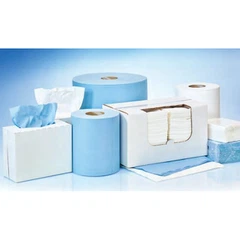
Wipes have become an indispensable part of our daily lives, serving various purposes from personal hygiene to industrial cleaning. As a wipes supplier, I often get asked about the ingredients that go into making these versatile products. In this blog, I'll take you through the common ingredients found in different types of wipes, shedding light on their functions and importance.
1. Base Materials
The base material is the foundation of any wipe. It provides the structure and determines the wipe's texture, absorbency, and strength. The most commonly used base materials include:
- Cotton: Cotton is a natural fiber known for its softness, absorbency, and biodegradability. It is gentle on the skin, making it a popular choice for baby wipes, facial wipes, and personal care wipes. Cotton wipes are also breathable, reducing the risk of skin irritation.
- Polyester: Polyester is a synthetic fiber that is strong, durable, and resistant to moisture. It is often used in industrial wipes and cleaning wipes due to its ability to withstand heavy use and harsh chemicals. Polyester wipes can be designed to have different levels of absorbency, making them suitable for a wide range of applications.
- Rayon: Rayon is a semi - synthetic fiber made from cellulose. It combines the softness of natural fibers with the strength and absorbency of synthetic fibers. Rayon is commonly used in wipes for its ability to hold a large amount of liquid and release it evenly during use. It is often blended with other fibers to enhance its performance.
2. Moisturizers
Moisturizers are added to wipes to keep the skin hydrated and prevent dryness. They are especially important in baby wipes and facial wipes, where the skin is more sensitive. Common moisturizers used in wipes include:


- Glycerin: Glycerin is a natural humectant that attracts and retains moisture in the skin. It helps to keep the skin soft and supple, preventing it from drying out. Glycerin is also non - irritating, making it suitable for sensitive skin.
- Lanolin: Lanolin is a waxy substance derived from sheep's wool. It forms a protective barrier on the skin, preventing moisture loss and protecting the skin from external irritants. Lanolin is often used in baby wipes to soothe and protect the delicate skin of infants.
- Aloe Vera: Aloe Vera is a plant extract known for its soothing and moisturizing properties. It contains vitamins, minerals, and amino acids that help to repair and nourish the skin. Aloe Vera is commonly used in facial wipes and personal care wipes to calm and hydrate the skin.
3. Cleaning Agents
Cleaning agents are responsible for removing dirt, grease, and bacteria from surfaces. The type of cleaning agent used depends on the intended use of the wipe.
- Surfactants: Surfactants are the most common cleaning agents in wipes. They reduce the surface tension of water, allowing it to spread more easily and penetrate dirt and grease. Surfactants can be anionic, cationic, non - ionic, or amphoteric. Non - ionic surfactants are often preferred in wipes because they are mild and less likely to cause skin irritation.
- Alcohol: Alcohol is a powerful disinfectant that can kill bacteria, viruses, and fungi. It is commonly used in antibacterial wipes and hand sanitizing wipes. However, alcohol can be drying to the skin, so it is often combined with moisturizers to minimize this effect.
- Enzymes: Enzymes are biological catalysts that break down organic matter such as proteins, fats, and carbohydrates. They are used in some industrial wipes and cleaning wipes to remove tough stains and odors. Enzymes are effective at low temperatures and are environmentally friendly.
4. Preservatives
Preservatives are added to wipes to prevent the growth of bacteria, mold, and yeast. They help to extend the shelf life of the product and ensure its safety and effectiveness. Common preservatives used in wipes include:
- Parabens: Parabens are a group of synthetic preservatives that are widely used in the cosmetic and personal care industry. They are effective at preventing the growth of microorganisms and are relatively inexpensive. However, there has been some concern about the potential health effects of parabens, so many manufacturers are now using alternative preservatives.
- Phenoxyethanol: Phenoxyethanol is a synthetic preservative that is less controversial than parabens. It is effective against a wide range of microorganisms and is considered to be relatively safe for use in cosmetics and personal care products.
- Natural Preservatives: Some wipes use natural preservatives such as grapefruit seed extract, tea tree oil, and rosemary extract. These natural substances have antibacterial and antifungal properties and are a popular choice for consumers who prefer natural products.
5. Fragrances
Fragrances are added to wipes to provide a pleasant smell and mask any unpleasant odors. They can be natural or synthetic.
- Natural Fragrances: Natural fragrances are derived from plants, flowers, and essential oils. They are often preferred by consumers who are looking for a more natural and eco - friendly product. Examples of natural fragrances used in wipes include lavender, chamomile, and citrus.
- Synthetic Fragrances: Synthetic fragrances are created in a laboratory to mimic the smell of natural substances. They are more versatile and can be formulated to create a wide range of scents. However, some synthetic fragrances can cause skin irritation and allergic reactions in sensitive individuals.
Different Types of Wipes and Their Ingredients
Now, let's take a look at how these ingredients are used in different types of wipes.
- Baby Wipes: Baby wipes are designed to be gentle on the delicate skin of infants. They typically contain a soft base material such as cotton or a cotton - rayon blend. Moisturizers like glycerin, lanolin, and aloe vera are added to keep the baby's skin hydrated and prevent diaper rash. Mild surfactants are used for cleaning, and natural preservatives and fragrances are often preferred to minimize the risk of skin irritation.
- Facial Wipes: Facial wipes are used to clean and refresh the face. They usually have a soft and smooth base material like rayon. Moisturizers and antioxidants are added to hydrate and protect the skin. Mild surfactants are used to remove makeup, dirt, and oil without stripping the skin of its natural moisture. Some facial wipes also contain ingredients like hyaluronic acid for added hydration.
- Industrial Wipes: Industrial wipes are designed for heavy - duty cleaning tasks in industrial settings. They are made from strong and durable base materials such as polyester. Cleaning agents like surfactants, alcohol, and enzymes are used to remove tough dirt, grease, and contaminants. Industrial wipes may also contain solvents for specific cleaning applications. For more information on industrial wipes, you can visit our Industrial Heavy Duty Wiper and Industrial Light Duty Wiper pages.
- Disposable Cleanroom Wipes: Cleanroom wipes are used in environments where strict cleanliness is required, such as semiconductor manufacturing and pharmaceutical production. They are made from low - lint materials like polyester or a blend of polyester and rayon. These wipes are often treated with special cleaning agents to ensure they do not leave any particles or residues on the surfaces they clean. You can find more details about our Disposable Cleanroom Wiper on our website.
Contact for Procurement
If you are interested in purchasing wipes for your personal or business needs, we are here to help. As a reliable wipes supplier, we offer a wide range of high - quality wipes at competitive prices. Our products are carefully formulated using the best ingredients to ensure effectiveness and safety. Whether you need baby wipes, facial wipes, industrial wipes, or cleanroom wipes, we can provide you with the right solution. Contact us today to start a procurement discussion and find out how we can meet your specific requirements.
References
- Cosmetic Ingredient Review Expert Panel. (Year). Safety Assessment of [Ingredient Name] as Used in Cosmetics. Journal of Cosmetic Dermatology.
- Industrial Cleaning Handbook. (Publisher, Year).
- Textile Fibers: Properties and Applications. (Author, Publisher, Year).