












When it comes to creating a comfortable and inviting bedroom environment, one of the most crucial elements is a high - quality cotton bed sheet. As a bed sheet supplier, I've had the privilege of exploring and understanding the various characteristics that make a cotton bed sheet truly exceptional. In this blog, I'll share insights into what you should look for when seeking the best cotton bed sheets.
1. Cotton Type
The type of cotton used in a bed sheet significantly impacts its quality. There are several well - known varieties of cotton, each with its own set of characteristics.
Egyptian Cotton
Egyptian cotton is often regarded as the king of cottons. Grown along the Nile River, it has extra - long staple fibers. These long fibers allow for the production of finer, stronger, and more lustrous yarns. Bed sheets made from Egyptian cotton are incredibly soft to the touch, have a smooth surface, and are highly durable. They can withstand frequent washing without losing their quality, making them a long - term investment for your bedding collection.
Pima Cotton
Pima cotton, also known as American - Egyptian cotton, is another high - quality option. It is grown primarily in the southwestern United States, Peru, and Australia. Similar to Egyptian cotton, Pima cotton has long staple fibers, which contribute to its softness, strength, and absorbency. Bed sheets made from Pima cotton are known for their luxurious feel and ability to resist pilling over time.
Organic Cotton
For those who prioritize environmental sustainability and natural products, organic cotton is an excellent choice. Organic cotton is grown without the use of synthetic pesticides, fertilizers, or genetically modified organisms (GMOs). This makes it a healthier option for both the environment and the end - user. Organic cotton bed sheets are soft, breathable, and hypoallergenic, making them suitable for people with sensitive skin.
2. Thread Count
Thread count is a term that is often associated with the quality of bed sheets. It refers to the number of horizontal and vertical threads per square inch of fabric. Generally, a higher thread count is thought to indicate a higher - quality sheet. However, it's important to note that thread count is not the only factor to consider.
A thread count between 300 and 600 is considered good for most cotton bed sheets. Sheets with a thread count in this range are usually soft, durable, and have a smooth finish. Sheets with a thread count above 600 can be very luxurious, but they may also be more expensive. On the other hand, sheets with a very low thread count (below 200) may feel rough and less durable.
It's also important to be aware that some manufacturers may inflate the thread count numbers. To ensure you're getting an accurate thread count, look for sheets from reputable suppliers and check for independent certifications.
3. Weave
The weave of a cotton bed sheet affects its appearance, texture, and functionality. There are several common types of weaves used in bed sheet production.
Percale Weave
Percale is a plain weave that is known for its crisp, cool feel. It is made by interlacing one warp thread over and under one weft thread. Percale sheets are lightweight, breathable, and have a matte finish. They are a popular choice for those who prefer a fresh and airy feel while sleeping, especially in warmer climates.
Sateen Weave
Sateen is a weave that creates a smooth, shiny surface. It is made by floating the warp threads over several weft threads, resulting in a fabric with a lustrous appearance. Sateen sheets are softer and more drapey than percale sheets. They also tend to be warmer, making them a good option for colder climates or those who prefer a cozier feel while sleeping.
Twill Weave
Twill weave is characterized by a diagonal pattern on the fabric surface. Twill - woven cotton bed sheets are strong, durable, and have a unique texture. They are often used in heavier - weight sheets and can provide a more substantial feel compared to percale or sateen sheets.
4. Softness and Comfort
Softness is one of the most important characteristics of a good quality cotton bed sheet. A soft sheet feels gentle against the skin, allowing for a more comfortable sleep. When evaluating the softness of a bed sheet, you can consider factors such as the type of cotton, the thread count, and the finishing process.
Some manufacturers use special finishing techniques to enhance the softness of their bed sheets. For example, they may use a mercerization process, which involves treating the cotton fibers with a caustic soda solution. This process not only makes the fibers stronger but also gives them a smoother and softer feel.
In addition to softness, comfort also includes factors such as breathability and temperature regulation. Cotton is a natural fiber that is breathable, which means it allows air to circulate through the fabric, keeping you cool and dry while you sleep. This is especially important for those who tend to sleep hot.
5. Durability
A good quality cotton bed sheet should be durable enough to withstand regular use and washing. Durability is influenced by factors such as the type of cotton, the thread count, and the weave.
As mentioned earlier, Egyptian and Pima cotton are known for their strength and durability due to their long staple fibers. Sheets made from these types of cotton can last for many years with proper care. A higher thread count also generally indicates a more durable sheet, as there are more threads holding the fabric together.
The weave of the sheet can also affect its durability. For example, twill - woven sheets are often more durable than percale or sateen sheets because of their strong diagonal structure.
6. Colorfastness
Colorfastness refers to the ability of a bed sheet to retain its color after washing. A good quality cotton bed sheet should have excellent colorfastness, meaning that the colors will not fade or bleed easily.
To ensure good colorfastness, manufacturers use high - quality dyes and proper dyeing techniques. Look for bed sheets that are pre - shrunk and color - set to minimize color loss during washing. It's also a good idea to follow the care instructions provided by the manufacturer to maintain the color and quality of the sheets.
7. Hypoallergenic Properties
For people with allergies or sensitive skin, hypoallergenic bed sheets are essential. Cotton is a natural fiber that is generally hypoallergenic, but some people may still be sensitive to certain chemicals or dyes used in the manufacturing process.


When choosing hypoallergenic cotton bed sheets, look for products that are labeled as such. Organic cotton bed sheets are often a good choice, as they are grown without the use of synthetic pesticides and fertilizers, which can cause allergic reactions in some people.
8. Size and Fit
Finally, the size and fit of a bed sheet are important considerations. A well - fitting sheet will stay in place on your mattress, providing a neat and comfortable appearance.
Make sure to choose bed sheets that are the correct size for your mattress. Most manufacturers offer standard sizes, such as twin, full, queen, and king. However, if you have a non - standard mattress size, you may need to look for custom - made sheets.
In addition to the size, consider the depth of your mattress. Some sheets are designed to fit deeper mattresses, while others are better suited for shallower ones. Look for sheets with deep pockets or elasticized corners to ensure a secure fit.
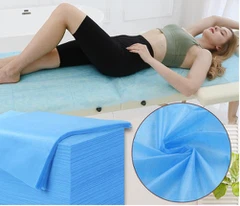
As a bed sheet supplier, we offer a wide range of high - quality cotton bed sheets that meet the above characteristics. Whether you're looking for Disposable Pp Bed Sheet Roll for a temporary need or Non Woven Bed Sheet Rolls for a more practical solution, we have the products to meet your requirements.
If you're interested in purchasing our bed sheets or have any questions about our products, please don't hesitate to contact us for procurement and negotiation. We're committed to providing you with the best quality products and excellent customer service.
References
- Textile Institute. (2023). Handbook of Textile Fibres. Woodhead Publishing.
- Consumer Reports. (2023). Bedding Buying Guide. Consumer Reports.
- International Cotton Advisory Committee. (2023). Cotton Yearbook. International Cotton Advisory Committee.