











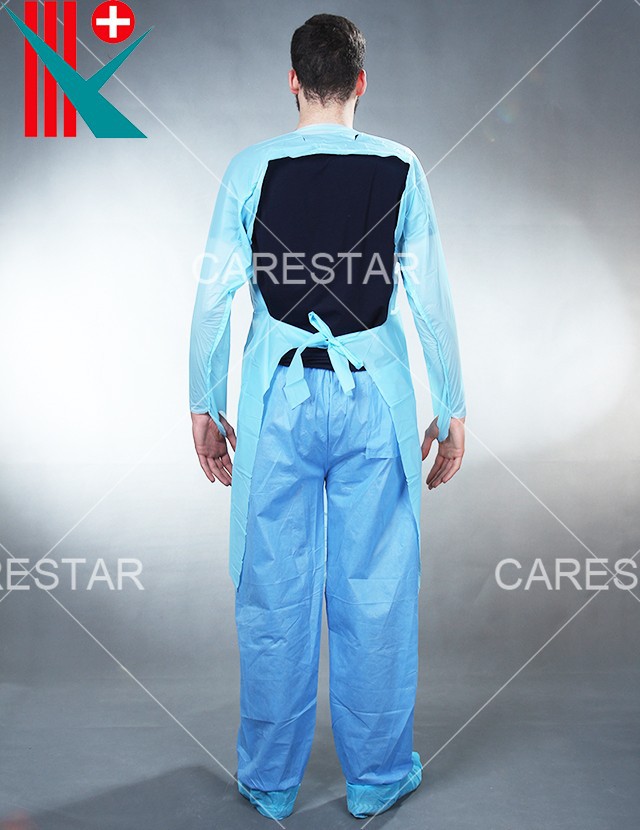
CPE (Chlorinated Polyethylene) gowns are essential protective garments widely used in various industries, including healthcare, food processing, and industrial manufacturing. As a CPE gown supplier, I understand the importance of proper storage to maintain the quality and functionality of these gowns. In this blog post, I will share some scientific and practical tips on how CPE gowns should be stored.
Understanding the Characteristics of CPE Gowns
Before discussing storage methods, it's crucial to understand the properties of CPE gowns. CPE is a synthetic polymer known for its excellent chemical resistance, flexibility, and durability. CPE gowns are typically disposable and designed to provide a barrier against fluids, particles, and microorganisms. However, they can be affected by environmental factors such as temperature, humidity, light, and chemical exposure.
Ideal Storage Conditions
- Temperature: CPE gowns should be stored in a cool and dry environment. The ideal temperature range is between 10°C and 30°C (50°F and 86°F). High temperatures can cause the CPE material to soften, become sticky, or lose its integrity, while low temperatures can make the gowns brittle and prone to cracking. Avoid storing CPE gowns in areas near heat sources such as radiators, heaters, or direct sunlight.
- Humidity: Humidity levels should be kept between 30% and 60%. Excessive humidity can lead to mold growth, mildew, and degradation of the CPE material. On the other hand, low humidity can cause the gowns to become dry and brittle. To control humidity, consider using a dehumidifier or air conditioner in the storage area.
- Light: CPE gowns should be protected from direct sunlight and ultraviolet (UV) light. Prolonged exposure to UV light can cause the CPE material to degrade, fade, and lose its strength. Store the gowns in opaque containers or in a dark storage area to minimize light exposure.
- Ventilation: Adequate ventilation is essential to prevent the accumulation of moisture, odors, and harmful gases in the storage area. Ensure that the storage area has proper air circulation to maintain a fresh and clean environment. Avoid storing CPE gowns in sealed or airtight containers for extended periods, as this can trap moisture and lead to mold growth.
Storage Containers and Packaging
- Original Packaging: Keep CPE gowns in their original packaging as much as possible. The original packaging is designed to protect the gowns from damage, contamination, and environmental factors during transportation and storage. If the original packaging is damaged, consider transferring the gowns to a clean, sealed container.
- Sealed Containers: If the original packaging is not available, store CPE gowns in sealed plastic bags or containers. Make sure the containers are clean, dry, and free from any sharp edges or objects that could puncture the gowns. Label the containers with the product name, size, quantity, and expiration date for easy identification.
- Pallets and Shelving: When storing large quantities of CPE gowns, use pallets and shelving to keep the gowns organized and off the floor. Pallets and shelving help to improve air circulation, prevent damage from moisture and pests, and make it easier to access and retrieve the gowns. Make sure the pallets and shelving are sturdy, clean, and free from any debris or contaminants.
Handling and Storage Practices
- Avoid Stacking: Do not stack CPE gowns too high, as this can cause the gowns at the bottom to become compressed and damaged. If you need to stack the gowns, limit the height to a maximum of 3-4 layers and use a pallet or a sturdy surface to support the stack.
- Separate Different Sizes and Styles: Keep different sizes and styles of CPE gowns separate to avoid confusion and ensure easy access. Label the storage containers or shelves with the size and style of the gowns for quick identification.
- Regular Inspections: Conduct regular inspections of the stored CPE gowns to check for any signs of damage, contamination, or expiration. Remove any damaged or expired gowns from the storage area immediately to prevent them from affecting the quality of the other gowns.
- First-In, First-Out (FIFO) Principle: Follow the FIFO principle when using CPE gowns. Use the oldest gowns first to ensure that the gowns are used before their expiration date. This helps to minimize waste and ensure that the gowns are always in good condition.
Special Considerations for Disposable CPE Gowns
- Expiration Dates: Disposable CPE gowns have an expiration date printed on the packaging. Make sure to check the expiration date before using the gowns and discard any expired gowns. Using expired gowns can compromise their protective effectiveness and increase the risk of infection or contamination.
- Single-Use Only: Disposable CPE gowns are designed for single-use only. Do not reuse or wash disposable CPE gowns, as this can damage the gown's protective barrier and increase the risk of contamination. After use, dispose of the gowns in accordance with local regulations and guidelines.
Conclusion
Proper storage of CPE gowns is essential to maintain their quality, functionality, and protective effectiveness. By following the tips and guidelines outlined in this blog post, you can ensure that your CPE gowns are stored in optimal conditions and ready for use when needed. As a CPE gown supplier, I am committed to providing high-quality products and excellent customer service. If you have any questions or need further information about CPE gowns or their storage, please feel free to contact me. I look forward to discussing your procurement needs and helping you find the right CPE gowns for your application.
For more information about our CPE gowns, please visit our website: CPE Gown with Long Sleeves and Disposable CPE Gown.

References
- ASTM International. (2021). Standard Specification for Performance of Protective Clothing Materials, Seams, and Assemblies. ASTM F1671/F1671M-13(2021).
- Centers for Disease Control and Prevention (CDC). (2021). Personal Protective Equipment (PPE) Selection for Healthcare Settings. Retrieved from https://www.cdc.gov/niosh/topics/hcwcontrols/ppe_selectionseries/index.html
- Occupational Safety and Health Administration (OSHA). (2021). Personal Protective Equipment (PPE). Retrieved from https://www.osha.gov/topics/ppe