











Many people often wonder about the right frequency for changing their bed sheets. As a bed sheet supplier, I've encountered numerous inquiries on this topic. In this blog, I'll delve into the factors that affect how often you should replace your bed sheets and offer some handy guidance.


Factors Influencing Bed Sheet Changing Frequency
Personal Hygiene Habits
Individuals' hygiene habits play a significant role in determining how often bed sheets need changing. If you make it a routine to shower before bed, you'll get rid of a large portion of the dirt, oils, and sweat that tend to accumulate on your body throughout the day. This means your bed sheets are less likely to get soiled quickly, and you might be able to change them less frequently. On the other hand, if you regularly go to bed without showering, your sheets will become dirtier faster since all the grime, such as environmental pollutants and sweat, is transferred directly onto them. Besides, your food and drink intake at night can also have an impact. For instance, if you regularly have a snack or a glass of milk in bed, there's a higher chance of spills and stains, making it necessary to change the sheets more often.
Allergies and Skin Conditions
People with allergies or sensitive skin have special requirements when it comes to bed sheet cleanliness. Dust mites are a common allergen, and they thrive in warm, humid environments like your bed. These tiny creatures feed on dead skin cells and can cause allergic reactions such as itching, sneezing, and rashes. For allergy - sufferers, changing bed sheets at least once a week can help reduce the number of dust mites and allergens in the bed. Similarly, individuals with skin conditions like eczema or acne are more prone to skin irritation. Clean sheets can prevent the build - up of bacteria and other irritants, which is beneficial for skin health. So, they should also consider changing their sheets more often.
Environmental Factors
The environment in which you sleep can greatly influence how often you need to change your bed sheets. If you live in a hot and humid climate, your body will sweat more, and the moisture can create an ideal breeding ground for bacteria and mold. In such conditions, it's advisable to change your sheets every three to four days. Conversely, in a dry and cool climate, the accumulation of sweat and bacteria is slower, and you may be able to extend the time between sheet changes to once every two weeks. Additionally, if you live in a polluted area or around dusty construction sites, your sheets will get dirty faster due to the presence of airborne particles.
Type of Bed Sheet Material
Different bed sheet materials have varying levels of absorbency and resistance to dirt and stains. Cotton is a popular choice because it's breathable and absorbs moisture well. However, it can also hold onto dirt and odors easily. High - quality cotton sheets may require changing once a week, while lower - quality cotton might need more frequent replacement. Silk sheets are known for their smoothness and have natural antibacterial properties. They can be changed every 10 - 14 days as they are less likely to accumulate dirt and bacteria. On the other hand, synthetic materials like polyester can be less breathable, and sweat can build up more quickly, potentially leading to a need for more frequent changes, perhaps every five to seven days.
General Recommendations
Based on the above factors, here are some general guidelines for changing bed sheets:
- Healthy individuals with good hygiene in a normal environment: Changing bed sheets once a week is a reasonable frequency. This helps maintain a clean and comfortable sleeping environment, reducing the risk of bacteria, dust mites, and odors.
- Allergy sufferers or those with skin conditions: Aim to change sheets at least once a week. Some may even find it beneficial to change them twice a week to minimize allergen exposure and skin irritation.
- People in hot and humid climates or with heavy sweating: Change sheets every three to four days. This prevents the growth of bacteria and mold and keeps you dry and comfortable while sleeping.
- Children and the elderly: Their immune systems may be weaker, so it's better to change their bed sheets once a week to protect them from potential health risks associated with dirty sheets.
Our Bed Sheet Products
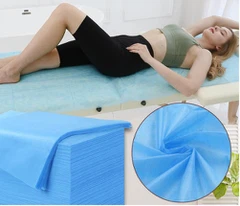
As a bed sheet supplier, we offer a wide range of high - quality bed sheets to meet different needs. Our Disposable Pp Bed Sheet Roll is an excellent choice for those who need a convenient and hygienic option. These disposable sheets are perfect for medical settings, temporary accommodations, or for people with a busy lifestyle who don't have much time for regular sheet changes.
We also have Non Woven Bed Sheet Rolls that are soft, breathable, and durable. Non - woven materials are resistant to tearing and can provide a comfortable sleeping experience. They are available in various sizes and colors to suit your preferences.
Conclusion
Determining how often you should change your bed sheets depends on multiple factors, including personal hygiene, allergies, environment, and sheet material. By following the general recommendations and choosing the right bed sheets for your needs, you can ensure a clean, comfortable, and healthy sleeping environment.
If you're interested in our bed sheet products or have any questions about bed sheet selection and usage, we'd love to hear from you. Feel free to reach out to us for more information and to start a procurement discussion. We're committed to providing you with the best bed sheet solutions.
References
- American Academy of Dermatology. "Tips for Healthy Skin: Keep Your Sheets Clean".
- Mayo Clinic. "Allergies: Reducing Your Exposure to Allergens".
- National Sleep Foundation. "The Importance of Clean Bedding for Sleep Quality".