












The duration of a CPE (Chlorinated Polyethylene) gown's usability is a crucial consideration for many industries, especially those in the medical, food processing, and chemical sectors. As a CPE gown supplier, I've encountered numerous inquiries regarding the lifespan of these gowns during actual use. In this blog, I'll delve into the factors that influence how long a CPE gown lasts and provide insights to help you make informed decisions.
Factors Affecting the Lifespan of CPE Gowns
1. Quality of the CPE Material
The quality of the CPE material used in gown manufacturing is a primary determinant of its durability. High - quality CPE gowns are made from well - formulated chlorinated polyethylene that offers better resistance to tearing, puncturing, and chemical exposure. These gowns are often produced using advanced manufacturing processes that ensure uniform thickness and strength throughout the fabric. For instance, a CPE gown with a higher density of polyethylene molecules will be more robust and less likely to develop holes or tears during normal use.


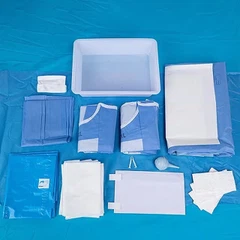
When choosing a CPE gown, it's essential to look for products that meet industry standards. For example, in the medical field, gowns should comply with relevant regulations such as ASTM standards. A high - quality CPE Gown with Long Sleeves made from premium CPE material can withstand multiple minor abrasions and remain intact for a longer period compared to a low - quality alternative.
2. Type of Activity
The nature of the activity in which the CPE gown is used plays a significant role in its lifespan. In a medical setting, gowns used during routine patient examinations may last longer than those used in surgical procedures. During a surgical operation, the gown is exposed to sharp instruments, high - pressure fluids, and intense movement, which increase the risk of damage.
In the food processing industry, gowns used in areas with minimal physical contact, such as packaging, may have a longer lifespan than those used in areas where there is direct handling of raw materials or machinery. Similarly, in chemical laboratories, gowns used for handling mild chemicals may last longer than those used for handling highly corrosive substances.
3. Frequency of Use
The more frequently a CPE gown is used, the shorter its lifespan is likely to be. Repeated wear and removal can cause stress on the seams and fabric of the gown. For example, if a worker in a factory changes into a CPE gown multiple times a day, the gown is more likely to develop wear and tear at the points where it is fastened or adjusted.
Moreover, frequent exposure to different environments can also affect the gown's integrity. A gown that is used in a cleanroom environment one day and then in a dusty or dirty area the next may experience more rapid degradation due to the different contaminants it comes into contact with.
4. Storage Conditions
Proper storage of CPE gowns is essential for maintaining their quality and extending their lifespan. Gowns should be stored in a cool, dry place away from direct sunlight and sources of heat. Exposure to high temperatures can cause the CPE material to become brittle and more prone to cracking.
Moisture can also be a problem, as it can lead to the growth of mold and mildew on the gown, which not only affects its appearance but also weakens the fabric. Additionally, gowns should be stored in a way that prevents them from being crushed or folded in a way that could cause permanent creases or damage.
Typical Lifespan of CPE Gowns
In general, a disposable Disposable CPE Gown is designed for single - use or short - term use. In a medical setting, a disposable CPE gown may be used for a single patient encounter or a short - duration procedure. After that, it is typically discarded to prevent the spread of infections.
However, in some non - critical applications, such as light cleaning or low - risk laboratory work, a disposable CPE gown may be reused a few times if it remains in good condition. In these cases, the gown can last for several hours of cumulative use over a few days.
For reusable CPE gowns, which are more common in industries where cost - effectiveness is a major concern, the lifespan can vary widely. With proper care and maintenance, a reusable CPE gown can last for several months or even up to a year. This includes regular cleaning, inspection for damage, and proper storage between uses.
Extending the Lifespan of CPE Gowns
1. Proper Handling
Workers should be trained on how to properly put on, wear, and remove CPE gowns. This includes avoiding excessive pulling or tugging on the gown, especially at the seams. When removing the gown, it should be carefully peeled off to prevent tearing.
2. Regular Inspection
Regularly inspecting CPE gowns for signs of damage, such as holes, tears, or weakened seams, is crucial. Any damaged gowns should be immediately replaced to ensure the safety of the wearer.
3. Appropriate Cleaning
For reusable CPE gowns, following the manufacturer's cleaning instructions is essential. Using the wrong cleaning agents or methods can damage the CPE material. Mild detergents and gentle washing cycles are usually recommended.
Conclusion
The lifespan of a CPE gown during use depends on a variety of factors, including the quality of the material, the type of activity, frequency of use, and storage conditions. As a CPE gown supplier, I understand the importance of providing high - quality products and offering guidance on how to maximize their lifespan.
If you're in the market for CPE gowns and want to discuss your specific needs, whether it's for medical, industrial, or other applications, I encourage you to reach out for a procurement discussion. We can work together to find the most suitable CPE gowns for your requirements and ensure that you get the best value for your investment.
References
- ASTM International. Standards for medical gowns.
- Industry best practices for CPE gown use and maintenance in medical, food processing, and chemical industries.