












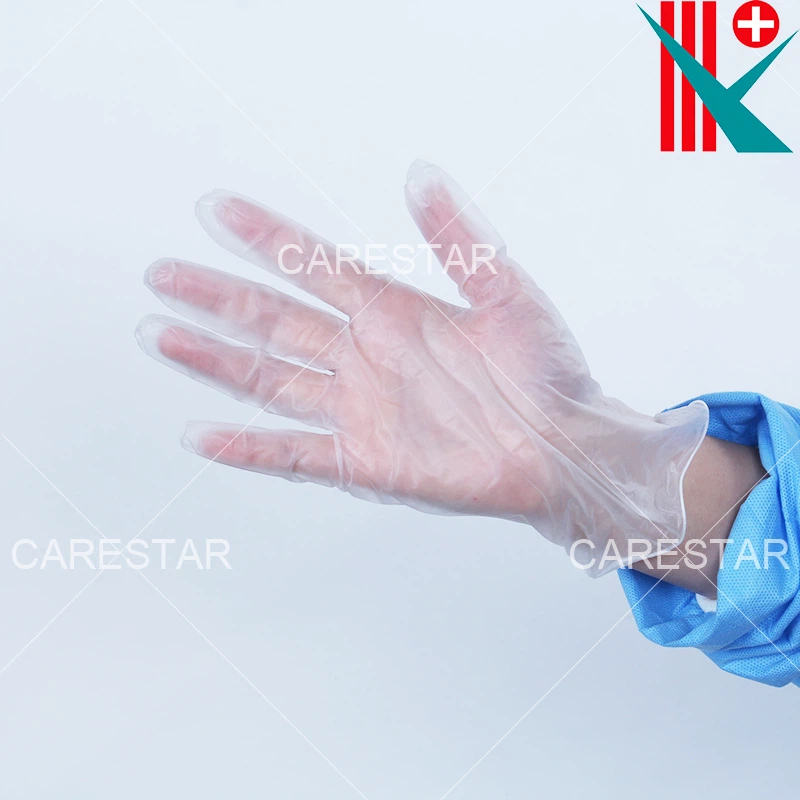
Storing vinyl gloves properly is crucial for maintaining their quality and ensuring they remain in optimal condition for use. As a vinyl glove supplier, I understand the importance of providing guidance on this topic to our customers. In this blog post, I'll share some key considerations and best practices for storing vinyl gloves.
Why Proper Storage Matters
Vinyl gloves are commonly used in various industries, including healthcare, food service, and cleaning. Their quality can be significantly affected by improper storage conditions. Exposure to extreme temperatures, humidity, sunlight, and chemicals can lead to degradation of the glove material, resulting in reduced durability, flexibility, and effectiveness. By storing vinyl gloves correctly, you can extend their shelf life and ensure they perform as intended when needed.
Ideal Storage Conditions
Temperature
Vinyl gloves should be stored in a cool, dry place. The ideal temperature range for storage is between 50°F (10°C) and 77°F (25°C). Temperatures outside of this range can cause the vinyl to become brittle or sticky. For example, if gloves are stored in a hot environment, such as a warehouse without proper ventilation during summer, the heat can cause the plasticizers in the vinyl to break down, making the gloves stiff and prone to cracking. On the other hand, extremely cold temperatures can make the gloves rigid and difficult to put on.
Humidity
High humidity can also damage vinyl gloves. Excessive moisture can cause the gloves to develop mold or mildew, which not only affects their appearance but also compromises their integrity. Aim to keep the relative humidity in the storage area between 40% and 60%. You can use a dehumidifier in areas with high humidity to maintain the appropriate level.
Sunlight and UV Exposure
Sunlight and ultraviolet (UV) rays can cause the vinyl to discolor and degrade over time. Store vinyl gloves in a dark place or use opaque storage containers to protect them from direct sunlight. If you have a storage room with windows, consider using blinds or curtains to block out the sun.

Chemical Exposure
Keep vinyl gloves away from chemicals, solvents, and other substances that can react with the vinyl material. For instance, exposure to strong acids or alkalis can cause the gloves to deteriorate rapidly. If your storage area is also used to store chemicals, make sure the gloves are stored in a separate, well - ventilated area to prevent cross - contamination.
Storage Containers and Packaging
Original Packaging
The original packaging of vinyl gloves is designed to provide some level of protection during transportation and storage. It often includes a barrier against dust, moisture, and light. Whenever possible, keep the gloves in their original boxes or bags. This not only helps maintain the quality of the gloves but also makes it easier to organize and identify different sizes and types of gloves.
Additional Containers
If you need to transfer the gloves to a different container for storage, choose a clean, dry, and airtight container. Plastic storage bins or sealed plastic bags can be good options. Make sure the container is large enough to hold the gloves without crushing them. Label the containers clearly with the size, type, and quantity of gloves inside for easy access.
Organization and Inventory Management
Shelving and Racking
Use proper shelving or racking systems to store vinyl gloves. This helps keep the gloves organized and allows for easy access. Make sure the shelves are sturdy and can support the weight of the glove boxes or containers. Arrange the gloves by size, type, and expiration date to ensure that older stock is used first.
Inventory Rotation
Implement a first - in, first - out (FIFO) inventory management system. This means using the oldest gloves in your inventory before moving on to the newer ones. By doing so, you can prevent gloves from expiring or deteriorating while in storage. Regularly check your inventory to identify any gloves that are approaching their expiration date and plan to use them as soon as possible.
Special Considerations for Bulk Storage
If you are storing a large quantity of vinyl gloves, such as in a warehouse, there are some additional factors to consider.
Palletizing
When storing gloves on pallets, make sure the pallets are clean and in good condition. Stack the boxes or containers of gloves evenly on the pallets to prevent them from toppling over. Leave enough space between pallets for proper ventilation and easy access.
Fire Safety
Ensure that the storage area has proper fire safety measures in place. Vinyl is a flammable material, so it's important to follow all local fire codes and regulations. Install fire extinguishers, smoke detectors, and sprinkler systems if necessary.
Conclusion
Proper storage of vinyl gloves is essential for maintaining their quality and performance. By following the guidelines outlined in this blog post, you can ensure that your vinyl gloves remain in good condition for an extended period. As a [Your company type] vinyl glove supplier, we are committed to providing high - quality products and valuable information to our customers. If you have any questions about vinyl glove storage or are interested in purchasing Vinyl Gloves, please feel free to contact us for more details and to start a procurement discussion. We look forward to serving your vinyl glove needs.
References
- "Hand Protection: Vinyl Gloves," Occupational Safety and Health Administration (OSHA).
- "Best Practices for Glove Storage," International Glove Manufacturers Association.