











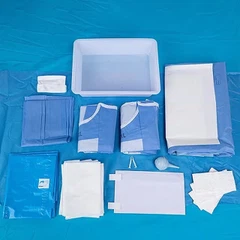



Proper disposal of CPE (Chlorinated Polyethylene) gowns is a critical aspect of maintaining a safe and hygienic environment, especially in medical, industrial, and other high - risk settings. As a CPE gown supplier, I understand the importance of not only providing high - quality protective gowns but also educating our customers on the correct way to dispose of them.
Understanding CPE Gowns
CPE gowns are widely used due to their excellent protective properties. They offer a barrier against various contaminants, including chemicals, fluids, and microorganisms. Our CPE Gown with Long Sleeves provides extended coverage for the arms, enhancing protection for the wearer. Similarly, our Disposable CPE Gown is designed for single - use, which helps prevent cross - contamination.
The Risks of Improper Disposal
Improper disposal of CPE gowns can lead to several significant risks. Firstly, if these gowns are not disposed of correctly, they can become a source of infection. Gowns that have been in contact with infectious materials may spread diseases to waste handlers, the general public, or the environment.


Secondly, environmental pollution is a major concern. CPE is a synthetic material, and if not disposed of in an environmentally friendly way, it can contribute to landfill waste and take a long time to decompose. In industrial settings, CPE gowns may have been exposed to hazardous chemicals. If these gowns are not disposed of properly, the chemicals can leach into the soil and water, causing long - term environmental damage.
Steps for Proper Disposal
Pre - disposal Preparation
Before disposing of CPE gowns, it is essential to follow some pre - disposal steps. The first step is to remove the gown carefully. The wearer should avoid touching the outer surface of the gown as much as possible. Start by untying the ties at the back or front of the gown, depending on its design. Then, peel the gown off from the shoulders, turning it inside out as you go. This way, the contaminated outer surface is now on the inside, reducing the risk of spreading contaminants.
Once the gown is removed, it should be placed in a designated container immediately. In medical facilities, this is often a biohazard waste container. These containers are usually color - coded (such as red or orange) and clearly labeled to indicate that they contain potentially infectious materials. In industrial settings, gowns that have been exposed to chemicals may need to be placed in special hazardous waste containers.
Segregation
Segregation is a crucial step in the disposal process. Different types of CPE gowns may need to be segregated based on their level of contamination. For example, gowns that have been in contact with highly infectious agents, such as those used in isolation wards for patients with contagious diseases, should be separated from gowns used in less - contaminated areas, like administrative offices in a healthcare facility.
In industrial environments, gowns that have been exposed to different types of chemicals should also be segregated. This helps ensure that the waste can be treated appropriately later in the disposal process. For instance, gowns contaminated with flammable chemicals may require a different disposal method than those contaminated with corrosive chemicals.
Storage
After segregation, the gowns need to be stored properly until they can be disposed of. The storage area should be secure and well - ventilated. In medical facilities, biohazard waste storage areas are often locked to prevent unauthorized access. The storage containers should be kept closed to prevent the release of any potential contaminants.
In industrial settings, hazardous waste storage areas need to comply with strict safety regulations. The area should be designed to prevent spills and leaks, and there should be appropriate containment measures in place, such as secondary containment basins for containers that may hold liquid chemicals.
Transportation
The transportation of CPE gowns from the storage area to the disposal facility is another critical step. In medical settings, biohazard waste is usually transported by specialized waste management companies. These companies are trained to handle and transport potentially infectious materials safely. They use vehicles that are specifically designed for transporting biohazard waste, with features such as leak - proof containers and proper ventilation.
In industrial settings, the transportation of hazardous waste also requires specialized carriers. These carriers must have the necessary permits and follow strict safety protocols. The vehicles are often equipped with safety features to prevent accidents and spills during transportation.
Final Disposal
There are several methods for the final disposal of CPE gowns, and the choice of method depends on the level of contamination and the type of environment in which the gowns were used.
Incineration
Incineration is one of the most common methods for disposing of CPE gowns, especially in medical settings. Incineration can effectively destroy infectious agents and reduce the volume of waste. However, it is important to ensure that the incineration process is carried out in a well - regulated facility. Modern incinerators are designed to minimize air pollution by using advanced filtration systems to remove harmful pollutants, such as dioxins and heavy metals, from the exhaust gases.
Landfill Disposal
In some cases, CPE gowns that are not highly contaminated may be disposed of in landfills. However, this method has its limitations. Landfills can contribute to environmental pollution, and CPE gowns may take a long time to decompose. Therefore, landfill disposal should be a last resort, and only used for gowns that have been properly treated and determined to be safe for landfill disposal.
Recycling
Recycling CPE gowns is a more environmentally friendly option, but it is currently more challenging. The recycling process for CPE involves breaking down the material and re - using it to make new products. However, the presence of contaminants on the gowns can make the recycling process more complex. Some research is being done to develop more effective recycling methods for CPE gowns, but at present, it is not as widely practiced as incineration or landfill disposal.
Regulatory Compliance
Proper disposal of CPE gowns must comply with local, national, and international regulations. In the medical field, regulations such as the Occupational Safety and Health Administration (OSHA) standards in the United States and similar regulations in other countries govern the handling and disposal of biohazard waste. These regulations set out specific requirements for waste segregation, storage containers, transportation, and final disposal methods.
In industrial settings, there are also strict regulations regarding the disposal of hazardous waste. For example, the Resource Conservation and Recovery Act (RCRA) in the United States regulates the management of hazardous waste from its generation to its final disposal. Failure to comply with these regulations can result in significant fines and legal consequences.
Importance of Training
As a CPE gown supplier, we believe that training is an essential part of ensuring proper disposal. We offer training programs for our customers, which cover topics such as how to remove CPE gowns safely, the importance of segregation, and the different disposal methods. Training should be provided to all personnel who use CPE gowns, including healthcare workers, industrial employees, and waste management staff.
Conclusion
Proper disposal of CPE gowns is a multi - step process that requires careful attention to detail. From pre - disposal preparation to final disposal, each step plays a crucial role in maintaining a safe and healthy environment. As a CPE gown supplier, we are committed to not only providing high - quality gowns but also helping our customers understand and implement proper disposal practices.
If you are interested in purchasing our CPE gowns or have any questions about their proper disposal, please feel free to contact us. We are here to assist you in finding the best solutions for your protective clothing needs and ensuring that you can dispose of the gowns in the most responsible way.
References
- Occupational Safety and Health Administration (OSHA). (Year). Standards for Hazardous Waste Operations and Emergency Response.
- Resource Conservation and Recovery Act (RCRA). (Year). Regulations for Hazardous Waste Management.
- World Health Organization (WHO). (Year). Guidelines for the Safe Management of Wastes from Health - Care Activities.