












Can CPE gowns be used in medical settings?


As a supplier of CPE gowns, I often encounter inquiries from medical institutions and professionals regarding the suitability of CPE gowns for use in medical settings. In this blog post, I will delve into the characteristics of CPE gowns, their potential applications in the medical field, and address some common concerns.
What are CPE gowns?
CPE, or chlorinated polyethylene, is a synthetic polymer known for its excellent chemical resistance, flexibility, and durability. CPE gowns are typically made from a non - woven fabric coated with CPE. This combination results in a gown that offers a good balance of protection and comfort.
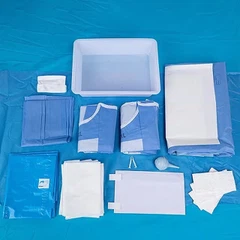
The CPE Gown with Long Sleeves is a popular product in our catalog. The long sleeves provide additional coverage, which is crucial in medical settings where contact with potentially hazardous substances or bodily fluids is a risk. These gowns are designed to fit snugly around the wrists to prevent any leakage or seepage.
Advantages of CPE gowns in medical settings
1. Chemical resistance
One of the primary advantages of CPE gowns is their chemical resistance. In medical environments, healthcare workers may come into contact with various chemicals, such as disinfectants, cleaning agents, and pharmaceutical products. CPE gowns can effectively protect against these chemicals, reducing the risk of skin exposure and potential chemical burns or allergic reactions.
2. Fluid barrier
Medical procedures often involve the handling of bodily fluids, including blood, urine, and saliva. CPE gowns act as a reliable fluid barrier, preventing these fluids from reaching the wearer's skin and clothing. This is essential for maintaining a hygienic environment and protecting the health of healthcare workers.
The Disposable CPE Gown is particularly useful in this regard. Once the procedure is completed, the gown can be easily disposed of, eliminating the need for costly and time - consuming laundering processes. This not only saves resources but also reduces the risk of cross - contamination.
3. Comfort and flexibility
CPE gowns are designed to be comfortable to wear for extended periods. They are lightweight and flexible, allowing healthcare workers to move freely during medical procedures. The soft texture of the non - woven fabric also minimizes skin irritation, which is important for those who need to wear gowns for long hours.
4. Cost - effectiveness
Compared to some other types of medical gowns, such as those made from high - performance materials like Tyvek or Gore - Tex, CPE gowns are relatively inexpensive. This makes them an attractive option for medical facilities with budget constraints, especially for routine procedures where a high - level of protection is not always required.
Considerations and limitations
1. Protection level
While CPE gowns offer a good level of protection against chemicals and fluids, they may not be suitable for all medical procedures. For example, in high - risk situations such as surgical operations or the handling of highly infectious agents, more advanced protective gowns with a higher level of barrier performance may be required.
2. Durability
Although CPE gowns are generally durable, they may not withstand rough handling or sharp objects as well as some other materials. In environments where there is a risk of tearing or puncturing, additional precautions may need to be taken, such as using reinforced gowns or wearing additional protective layers.
3. Environmental impact
As disposable products, CPE gowns contribute to waste generation. Medical facilities need to consider the environmental impact of using disposable gowns and explore options for proper waste management and recycling.
Applications in medical settings
1. Routine patient care
In general patient care settings, such as clinics and long - term care facilities, CPE gowns can be used for a variety of tasks, including patient examinations, wound dressing changes, and administering medications. They provide a basic level of protection for healthcare workers and help maintain a clean and hygienic environment.
2. Laboratory work
In medical laboratories, CPE gowns are commonly used to protect workers from chemical spills and biological hazards. The chemical resistance of CPE makes it suitable for handling a wide range of laboratory reagents and specimens.
3. Isolation rooms
In isolation rooms where patients with infectious diseases are housed, CPE gowns can be part of the personal protective equipment (PPE) ensemble. They help prevent the spread of pathogens from the patient to the healthcare worker and vice versa.
Conclusion
In conclusion, CPE gowns can be a valuable addition to the range of protective equipment used in medical settings. Their chemical resistance, fluid barrier properties, comfort, and cost - effectiveness make them suitable for many routine medical procedures. However, it is important to assess the specific requirements of each situation and choose the appropriate level of protection.
If you are a medical institution or professional interested in learning more about our CPE gowns or would like to discuss potential procurement opportunities, please feel free to reach out to us. We are committed to providing high - quality products and excellent customer service to meet your needs.
References
- ASTM International. (20XX). Standard performance specifications for protective apparel and drapes intended for use in health care facilities. ASTM F2407 - XX.
- Centers for Disease Control and Prevention (CDC). (20XX). Guidelines for isolation precautions: preventing transmission of infectious agents in healthcare settings.