











Hey there! As a supplier of apron flats, I often get asked about the safety concerns related to these products. Well, let's dive right into it and explore whether there are any real safety issues with apron flats.
First off, let's understand what apron flats are. Apron flats are those flat - style aprons that are commonly used in various industries, like food service, healthcare, and manufacturing. They come in different materials, each with its own set of properties and potential safety implications.
One of the most popular materials for apron flats is polyethylene (PE). You can check out our PE Apron on our website. PE aprons are known for their affordability and water - resistance. In terms of safety, they are generally a great option. They provide a good barrier against liquids, which is crucial in environments where spills are common, such as kitchens or laboratories.
However, there are a few things to keep in mind. PE is a synthetic material, and in some cases, people with sensitive skin might experience mild irritation. But this is quite rare. Usually, the smooth surface of the PE apron doesn't cause any major problems. It's also important to note that PE aprons are not very breathable. So, if you're wearing them for long periods in a hot environment, you might feel a bit sweaty and uncomfortable. This isn't really a safety hazard per se, but it can affect your overall well - being and productivity.
Another type of apron flat is the microporous apron. You can find more about our Microporous Apron on our site. Microporous aprons are designed to be more breathable than PE aprons. They have tiny pores that allow air to pass through while still providing a barrier against liquids and some particles.
Safety - wise, microporous aprons are a great choice for many applications. They offer protection against a wider range of substances compared to PE aprons. For example, in a healthcare setting, they can help protect against blood and other bodily fluids. But like any product, they have their limitations. The micropores, while allowing air to pass through, can also potentially let in very small particles. So, in environments where there are extremely fine contaminants, additional protection might be needed.
Now, let's talk about fire safety. Neither PE nor microporous aprons are fire - resistant by default. In industries where there is a risk of fire, such as welding or certain chemical processes, these standard apron flats are not suitable. Specialized fire - resistant aprons should be used instead. This is a major safety concern that needs to be addressed properly.

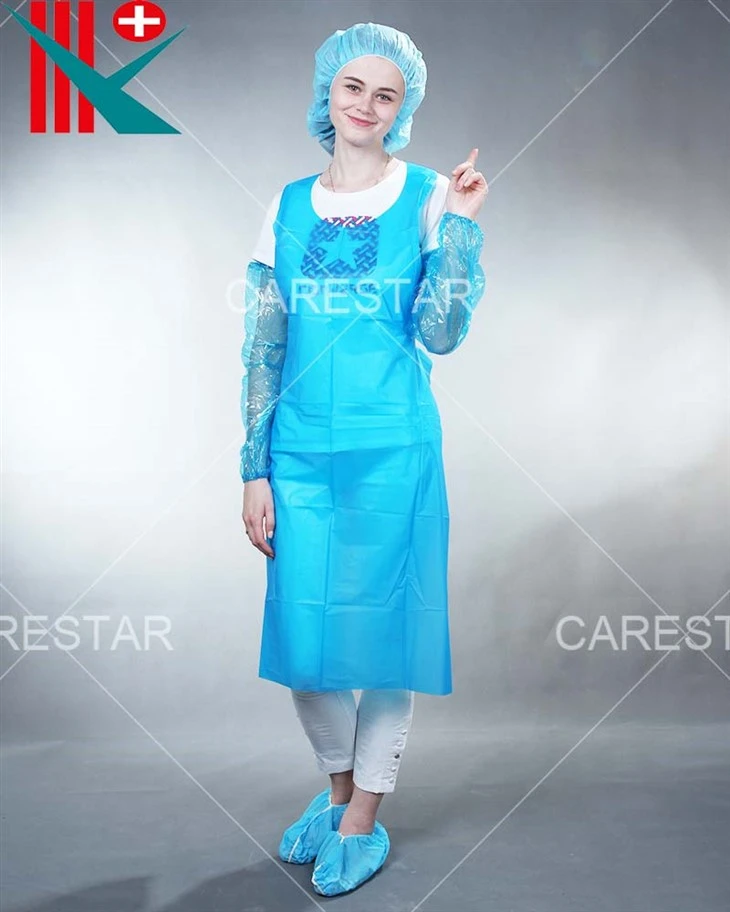
When it comes to chemical exposure, different materials react differently. PE aprons have some resistance to mild chemicals, but they can be damaged by stronger solvents. Microporous aprons may offer better chemical resistance in some cases, but again, it depends on the specific chemicals involved. It's always important to know the chemicals you'll be dealing with and choose the appropriate apron material accordingly.
In the food service industry, hygiene is a top safety concern. Apron flats need to be clean to prevent the spread of bacteria and other contaminants. Both PE and microporous aprons can be easily cleaned. PE aprons can often be wiped down with a disinfectant, while microporous aprons may need to be laundered according to the manufacturer's instructions.
Now, let's touch on the issue of sizing. Ill - fitting apron flats can pose a safety risk. If an apron is too long, it can get caught in machinery or on other objects, potentially causing accidents. On the other hand, if it's too short, it may not provide adequate protection. As a supplier, we offer a variety of sizes to ensure that our customers can find the right fit for their needs.
Another aspect of safety is the durability of the apron. A flimsy apron that tears easily won't provide much protection. Our apron flats are made with high - quality materials to ensure they are durable. But it's still important for users to inspect their aprons regularly for signs of wear and tear. If an apron has holes or tears, it should be replaced immediately to maintain safety.
In conclusion, while there are some safety concerns associated with apron flats, they can be managed effectively. By choosing the right material for the specific application, ensuring proper sizing and fit, and maintaining the aprons in good condition, the risks can be minimized.
If you're in the market for apron flats and have any questions about safety or which type of apron is right for your needs, don't hesitate to reach out. We're here to help you make the best choice for your safety and your business. Consider contacting us to discuss your procurement needs and find the perfect apron flats for your industry.
References
- General knowledge of apron materials and safety standards in relevant industries.
- Product specifications and research on PE and microporous apron materials.