









Hey there! As a supplier of aprons in roll, I often get asked if these aprons are suitable for cold environments. Well, let's dig into this topic and find out the answers.
First off, let's understand what aprons in roll are. They're basically aprons that come in a rolled - up form, which is super convenient for storage and dispensing. You can just unroll and use them as needed. There are different types of aprons in roll, like HDPE Apron, PVC Apron, and Nonwoven Apron. Each type has its own characteristics, and these will play a big role in how they perform in cold environments.
Let's start with HDPE aprons. HDPE, or High - Density Polyethylene, is a tough and durable material. It's resistant to many chemicals and has a relatively high melting point. In cold environments, HDPE aprons have some advantages. The material doesn't become brittle easily, even at low temperatures. This means that it can still maintain its shape and integrity, and won't crack or break when you're moving around or handling objects. For example, in a cold storage warehouse where workers are constantly picking and packing goods, an HDPE apron can provide reliable protection. It can withstand the bumps and knocks that come with the job, and keep the workers' clothes clean and dry.
However, HDPE aprons also have a few drawbacks in cold conditions. They don't offer much in terms of insulation. So, if you're working in an extremely cold environment like a freezer where the temperature can drop well below freezing, you might feel the cold seeping through. Also, the smooth surface of HDPE can be a bit slippery when it comes into contact with ice or snow. This could pose a safety risk, especially if you're working on a slippery floor.
Next up are PVC aprons. PVC, or Polyvinyl Chloride, is another common material for aprons in roll. PVC aprons are known for their waterproof and chemical - resistant properties. In cold environments, PVC can be a good choice in some situations. It's relatively flexible at lower temperatures compared to some other materials. This flexibility allows you to move freely without feeling restricted by the apron. For instance, in a fishing boat on a cold day, a PVC apron can keep you dry from the splashing water, and its flexibility won't get in the way when you're casting nets or handling fish.
But there are also issues with PVC aprons in cold weather. At very low temperatures, PVC can become stiff. This stiffness can make the apron less comfortable to wear, as it might not bend and move with your body as easily. You might find yourself struggling to perform tasks that require a lot of movement, like reaching up high or bending down. Additionally, PVC can release some chemicals over time, especially when it's exposed to extreme cold and then sudden changes in temperature. This could potentially be a health concern for long - term users.
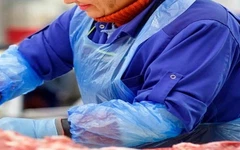
Now, let's talk about nonwoven aprons. Nonwoven materials are made from fibers that are bonded together, rather than being woven like traditional fabrics. Nonwoven aprons are lightweight and breathable. In cold environments, they have their own set of pros and cons. One of the advantages is that they can be layered easily. You can wear a nonwoven apron over other warm clothing to add an extra layer of protection. For example, in a cold outdoor construction site, you can put on a nonwoven apron over your thick winter jacket to keep the dust and debris off.
On the flip side, nonwoven aprons are not very waterproof. In a cold environment where there might be snow, ice, or water around, they won't do a great job of keeping you dry. Also, they're not as durable as HDPE or PVC aprons. They can tear more easily, especially if you're doing physical work that involves a lot of movement and friction.
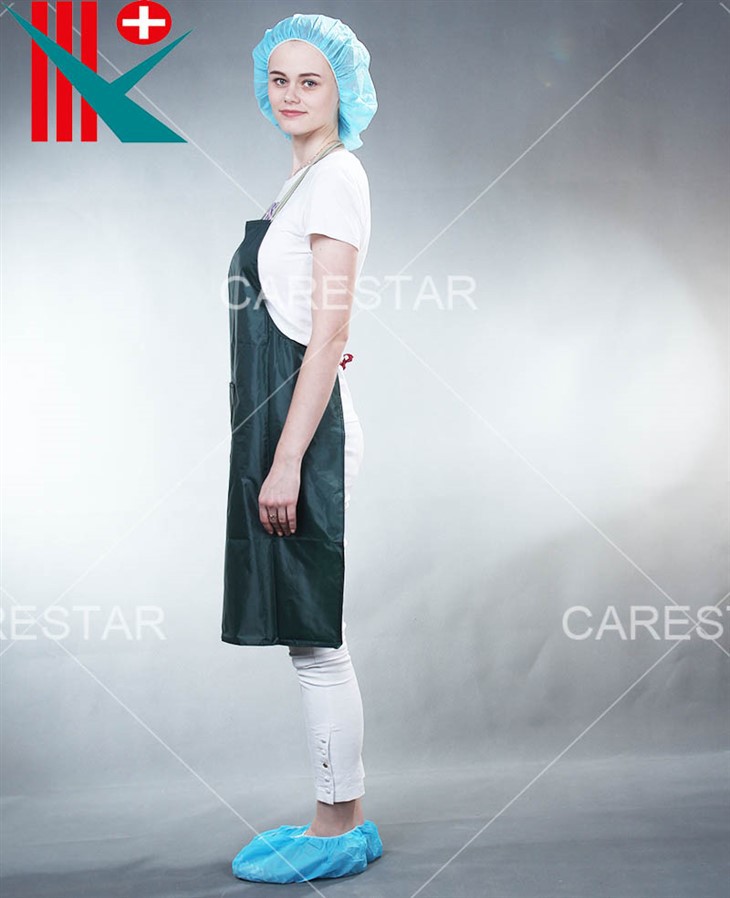

So, are aprons in roll suitable for cold environments? The answer is, it depends. It depends on the specific type of apron, the temperature of the environment, and the nature of the work you're doing. If you're working in a moderately cold environment with minimal exposure to water and need a durable apron, HDPE might be a good option. For a situation where you need waterproofing and some flexibility, PVC could work. And if you just need a lightweight layer for protection against dust and debris, nonwoven aprons are worth considering.
If you're in the market for aprons in roll for cold environments, it's important to think about your specific needs. You might want to consider the temperature range, the level of physical activity, and the type of hazards you'll be facing. And that's where we come in! As a supplier of aprons in roll, we have a wide range of options to meet your requirements. Whether you need HDPE, PVC, or nonwoven aprons, we can provide you with high - quality products at competitive prices.
If you're interested in learning more about our aprons in roll or want to discuss your specific needs, don't hesitate to reach out. We're here to help you find the perfect apron solution for your cold - environment work. Just drop us an email or give us a call, and we'll be happy to assist you with your procurement and answer any questions you might have.
References
- "Polymer Materials in Cold Environments" - Journal of Polymer Science
- "Safety and Comfort in Cold - Weather Workwear" - Occupational Health and Safety Magazine