









Are aprons in roll machine - washable?
As a supplier of aprons in roll, I often get asked the question: "Are aprons in roll machine - washable?" This is a crucial query for many of our customers, as machine - washability can significantly impact the long - term cost and convenience of using these aprons. In this blog, I'll delve into the details of whether aprons in roll are machine - washable, considering different materials and their characteristics.
Types of Aprons in Roll and Their Materials
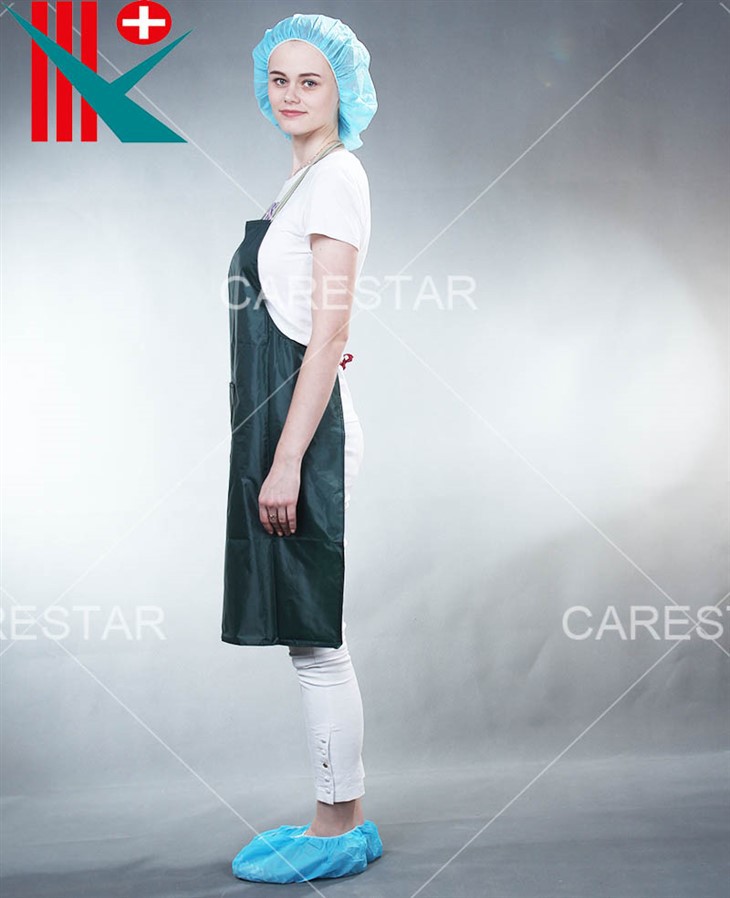
We offer a variety of aprons in roll, including PVC Apron, Nonwoven Apron, and HDPE Apron. Each material has its own unique properties that determine its machine - washability.
PVC Aprons
PVC (Polyvinyl Chloride) aprons are known for their durability and resistance to water, chemicals, and abrasion. They are commonly used in industries such as food processing, chemical handling, and healthcare. PVC aprons are generally not recommended for machine washing. The high - heat environment in a washing machine can cause the PVC material to warp, crack, or lose its shape. Additionally, the agitation in the machine can damage the surface of the apron, reducing its effectiveness as a protective barrier.
If a PVC apron gets dirty, it is best to clean it by hand using a mild detergent and warm water. Gently scrub the surface with a soft brush or cloth, and then rinse thoroughly. After cleaning, hang the apron to dry in a well - ventilated area away from direct sunlight.
Nonwoven Aprons
Nonwoven aprons are made from fibers that are bonded together rather than woven. They are lightweight, breathable, and cost - effective. Nonwoven aprons are often used in industries such as hospitality, agriculture, and light manufacturing.
The machine - washability of nonwoven aprons depends on the type of nonwoven material. Some nonwoven aprons are designed to be disposable and are not suitable for machine washing. These aprons are typically made from low - quality fibers that will break down or lose their integrity when exposed to the water, detergent, and agitation in a washing machine.
However, there are also some nonwoven aprons that are specifically designed to be machine - washable. These aprons are made from higher - quality fibers and are treated with special finishes to enhance their durability. If you are considering machine - washing a nonwoven apron, check the manufacturer's instructions first. If machine - washing is recommended, use a gentle cycle with cold water and a mild detergent. Avoid using fabric softeners, as they can reduce the absorbency of the nonwoven material.
HDPE Aprons
HDPE (High - Density Polyethylene) aprons are made from a strong and flexible plastic material. They are resistant to water, chemicals, and tearing, and are commonly used in industries such as construction, automotive, and waste management.
Similar to PVC aprons, HDPE aprons are generally not suitable for machine washing. The heat and agitation in a washing machine can cause the HDPE material to melt or deform. To clean an HDPE apron, it is best to wipe it down with a damp cloth or sponge using a mild detergent. Rinse the apron thoroughly and allow it to dry.
Factors Affecting Machine - Washability
Apart from the material of the apron, there are several other factors that can affect its machine - washability:
Dirt and Stain Type
The type of dirt and stains on the apron can determine the cleaning method. For example, if an apron is contaminated with oil or grease, it may require a stronger detergent or a pre - treatment before washing. However, some detergents and pre - treatments can be too harsh for certain apron materials and may cause damage.
Apron Design
The design of the apron, including the presence of seams, zippers, or other accessories, can also affect its machine - washability. Seams can come apart during the agitation in a washing machine, and zippers or other metal parts can rust or damage the apron material. If an apron has these features, it may be necessary to remove them before washing or to hand - wash the apron to avoid damage.
Washing Machine Settings
The settings on the washing machine, such as the water temperature, cycle length, and spin speed, can have a significant impact on the apron. High water temperatures can cause some materials to shrink or lose their shape, while a long cycle or high spin speed can damage the apron. It is important to follow the manufacturer's instructions for the apron and the washing machine to ensure proper cleaning without causing damage.
Benefits of Machine - Washable Aprons
While not all aprons in roll are machine - washable, for those that are, there are several benefits:
Cost - Savings
Machine - washable aprons can be reused multiple times, which can significantly reduce the cost of purchasing new aprons. Instead of constantly buying disposable aprons, you can simply wash and reuse the same apron, saving money in the long run.
Environmental Sustainability
Reusing machine - washable aprons reduces the amount of waste generated. Disposable aprons contribute to landfill waste, while reusable aprons have a lower environmental impact. By choosing machine - washable aprons, you can play a part in promoting environmental sustainability.
Convenience
Machine washing is a convenient way to clean aprons, especially in a busy work environment. You can simply load the aprons into the washing machine and let it do the work, saving time and effort compared to hand - washing.
Conclusion
In conclusion, the machine - washability of aprons in roll depends on the material of the apron. PVC and HDPE aprons are generally not suitable for machine washing due to the potential damage caused by heat and agitation. Nonwoven aprons may or may not be machine - washable, depending on the type of nonwoven material.

As a supplier of aprons in roll, we can provide you with detailed information about the cleaning and maintenance requirements of each type of apron. If you have any questions about machine - washability or need help choosing the right apron for your application, please feel free to contact us. We are committed to providing you with high - quality aprons and excellent customer service. Whether you need aprons for a small business or a large industrial operation, we can work with you to find the best solution for your needs. Let's start a conversation about your apron requirements and see how we can assist you in making the right choice.
References
- Textile Institute. "Handbook of Textile Fibres: Man - Made Fibres." Woodhead Publishing, 2011.
- Plastics Europe. "Polyvinyl Chloride (PVC): Properties, Applications, and Recycling." 2020.
- American Chemistry Council. "High - Density Polyethylene (HDPE): A Versatile Plastic." 2019.